
Key Highlights
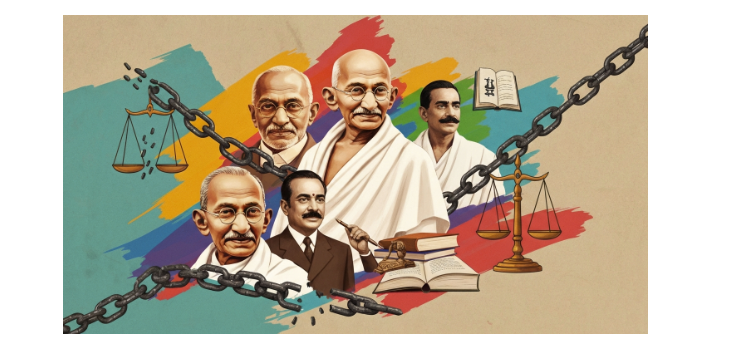
- The social reform movement in the 19th century tried to bring new ideas to Indian society by standing against old and unfair ways.
- Pioneers like Raja Ram Mohan Roy worked hard to end Sati, help with widow remarriage, and support modern education.
- Groups like the Brahmo Samaj and Arya Samaj became important for religious and social change.
- Some main issues they took on were the caste system, fighting against child marriage, and asking people to allow widow remarriage.
- The work from these reform movements helped set up a base for social equality and has shaped modern laws in India.
Table of Contents
Introduction
The 19th century was a big time for change in Indian society. A lot of old ways and customs were being followed and people started to feel the need for something new. In this time, many brave men and women stood up. Each person became a well-known social reformer who wanted to make life better in India. They spoke out against rules that hurt people and pushed for fairness. These leaders’ ideas helped wake up the minds of people in the country. Their work showed a way forward and helped make India into something new.
Historical Background of Social Reformation in India
In the first half of the nineteenth century, Indian society was bound by strict social norms and religious beliefs. A lot of actions called social evils were followed because people said it was tradition. This led to a period where not much changed and many things did not get better. It was around this time that the story of the reform movement in Indian society started.
The British coming to India brought in the idea of new things like liberty, equality, and justice. When people got to know more about these things, and with the help of a social reformer from their own country, many started to feel that they should do something about old problems. During the years of British India, this new way of thinking and learning made people want to change things in their society for the better. This is how a big movement to wake up and renew society began.
Factors Leading to Social Reform Movements
The British government had a big role in bringing change to India. They brought the English language and some modern ideas, like democracy, liberty, and social equality. These new ideas had a strong effect on Indian thinkers. Because of this, many smart people in India started to look at their own society. They began to notice what was good and what needed to change.
The growth of western education played a big part in this new way of thinking. As more Indians learned about their own great history by studying, they started to feel proud of themselves. This gave them the confidence to talk against cruel customs and false beliefs that had been around for years. This knowledge helped them feel strong and ready to make things better.
In the end, these things helped start many reformist movements. People began to feel more connected to their nation. There were also new changes in the economy. People learned more about the world outside. This made many want to fix the social issues they faced. This is why groups like Brahmo Samaj and Arya Samaj grew and became important. These groups worked to change how people lived and what they believed in.
Major Social Issues Targeted by Early Reformers
Early reformers looked at some of the hardest social rules people faced back then. The ways women were treated were very bad, and most efforts tried to make their life and rights better. They wanted to make social equality real for all and not just something people dream or talk about.
These reformers stood up to many practices that were a big part of everyday life. They tried to make things better by teaching people, talking in public, and asking the government for help. There was a lot of pushback, but what they did helped shape a kinder and fairer society for all.
Some of the key issues they targeted include:
- Sati: This was the practice where a widow burned herself on her husband’s funeral fire.
- Child Marriage: It was very common to marry off girls when they were still very young.
- Widow Remarriage: Widows were not allowed to get married again. This rule left them with no help and made life hard for them.
- Caste System: People were put into strict social groups. This led to unfair treatment and some people were seen as ‘untouchable’.
Role of Social and Religious Reform Movements Before 1857
Before 1857, the reform movement had already started to change things, especially in Hindu society. These first steps were about using religious reforms to fight social problems. Leaders and groups in the social reform movement began to ask questions about the practices people did for religion that did not match with human values.
During this time, new ideas began to grow. These ideas questioned old beliefs. In places such as Bengal and North India, some people tried to clean up the way people practiced religion. They also wanted everyone to think in a more clear and modern way. These first ideas helped build the base for bigger changes that would come later. This started a big process of social change.
Impact on Traditional Practices and Beliefs
The reformist movements spoke out against old religious practices and beliefs. The people in these groups said that many customs were not from the true core scriptures. They said these things were made by people to stay in control. The reformers wanted religious practices to be simple. They looked for a clear and sensible way to practice their faith without letting priests have all the power.
One big challenge was the strong system of caste discrimination. Reformers put in a lot of hard work to spread the idea that all people are equal. They went against untouchability and the idea that some get special rights just because of birth. Their goal was to help bring social change, so people would be known for their character and not by where they were born.
These efforts did not come easy. There was strong pushback from orthodox groups. A group called the Dharma Sabha was made to fight against what the reformers were saying. Some people, like raja ram mohan roy, faced criticism from those who wanted to keep things the way they were. It took a lot of courage for ram mohan roy and others to speak up for change when so many were against it.
Foundation for Later Reform Efforts
Early efforts to make changes came from different groups and movements. Ram Mohan Roy started the Brahmo Sabha in 1828. It was one of the first big reform groups in modern India. The Brahmo Sabha talked about using reason and learning new things. This helped people feel more proud about their country and later led to bigger reform movements.
Another group that made a difference was the Young Bengal Movement. The group was led by Henry Vivian Derozio, who was a big thinker. Even though the group did not get a lot of success, it helped keep people learning about social and political topics. These early groups strongly supported western education. They told people to think for themselves and ask questions. This inspired a new group of people to bring change.
These movements set the stage for a big change across the country. They started new social institutions and pushed modern ideas. It led people to feel more united and proud of being Indian. This new way of thinking was very important. It was the first step not just for social reform, but also for the later fight for political independence.
Pioneering Reformers and Their Key Contributions
The social reformation in India began because of some leaders who worked hard to make society better. Raja Ram Mohan Roy, also called the “Father of Modern India,” played a big part in starting this change. People like ram mohan roy did not just think about new ideas. They also worked and fought for change in real life.
Each social reformer had a different way of seeing the world. They took on different parts of social injustice. Swami Dayanand Saraswati worked to bring back the old ways of the Vedas through the Arya Samaj. Jyotiba Phule spoke up for the rights of lower castes and women. All of their hard work together made a strong push for change that spread all over the country.
Raja Ram Mohan Roy and the Abolition of Sati
Raja Ram Mohan Roy was a key leader in the fight against bad practices in the 19th century. He saw a lot of wrong and slow change in the world around him. He worked hard to end these things. The practice he tried most to stop was Sati. Raja Ram Mohan Roy called Sati a cruel practice, and he put all his energy into making people see that it should stop.
He worked for good change. Many people in his time did not want things to change, but ram mohan roy kept going for what he thought was right. He will always be known for his tough fight to stop social evils.
Ram Mohan Roy used his writings and public debates to help people see why this practice was wrong. He did not stop there. He also asked the British government to end it, and they agreed. In 1829, the British government made Sati against the law. This was a big win for the reform movement. It showed that with hard work and time, things could get better.
In 1828, he started the Brahmo Samaj. The group wanted to clean up Hinduism and help people worship only one God. The Brahmo Samaj soon turned into a very important part of social and religious change in India.
| Reformer | Key Contributions |
|---|---|
| Raja Ram Mohan Roy | Founded the Brahmo Samaj, pioneered Indian journalism, and led the campaign for the abolition of Sati. |
Ishwar Chandra Vidyasagar and Widow Remarriage
Ishwar Chandra Vidyasagar played a big role in the social reform movement, just like the reformers who came before him. He put the most focus on the life of Hindu widows. At that time, widow remarriage was not allowed. Because of this, many women had to face hard lives and were often left out by others in society. Vidyasagar worked very hard to change this problem in the reform movement.
He spoke with strong feeling and used old scriptures to show that widow remarriage was not against Hindu religion. He got support from many people and sent requests to the government. He had to deal with a lot of pushback from traditional groups in society. His hard work was a good way to show how to use both old ideas and new thinking to work for social justice.
Vidyasagar worked hard for widow remarriage in India. His work led to a big win when the Hindu Widows’ Remarriage Act was passed in 1856. This law made it legal for hindu widows to marry again. It was a big step for the rights of women in the country. That same year, under his watch, the first legal widow remarriage between upper castes took place.
Influence of Women Reformers in Indian Society
The story of social reform in India cannot be told without talking about the important work done by women. Pandita Ramabai and Annie Besant were famous leaders in the fight for women’s rights. They stood out because they did not just help the movement, they led it. Their actions encouraged many others to get involved too.
These women worked in different communities, like the Muslim community, to support education and help women feel stronger. They spoke up against rules made by men that held women back. They started groups and places where women could learn and do more for themselves. Their work was very important for the reform movement. They made sure it helped every part of society and did not leave anyone out.
Pandita Ramabai’s Work for Women’s Education
Pandita Ramabai was a strong social reformer. She worked hard for women’s rights and education. She grew up in a Hindu society where she saw how women faced problems because of strict rules. After going through all this, she spent her life trying to help women who were left out or treated badly. She said that education was very important. She felt it was the way for them to get free and live better lives.
She spoke up for western education and worked hard to help others see the value in it. She traveled to many places around the world to learn new things and bring fresh ideas back with her. Her work made a big change because she went against old rules that kept women from getting knowledge and being independent. She started schools and set up homes for widows and other women who needed help. At these places, she gave them shelter, taught them, and helped them learn job skills.
Ramabai worked hard to push back against how things were at that time. Her efforts helped bring social change. She made places where women could do well. This did not only help those women feel better about their lives but also showed the huge potential women had. Old traditions were holding people back. She worked to show everyone that women can do great things.
Begum Rokeya and Muslim Women’s Empowerment
In the journey for social change, people like Begum Rokeya stood out as important leaders for women’s empowerment in the muslim community. She and others realized that education is the best way to reach social equality and move away from unfair customs. Their goal was to help muslim women get a chance at modern learning.
These reformers asked for schools to be set up for girls. They also spoke out against things like the purdah system that stopped women from moving freely and having chances. They said women should have more rights. They thought everyone in the community would do better if the women were strong and free. This was a new idea back then, and it took a lot of courage for them to talk about it and support it.
Pioneers like Begum Rokeya did important work for future generations. She spoke up for education and asked tough questions about the rules that kept women back. Because of this, more Muslim women could take part in public life. Their actions helped bring social change and move everyone forward in India.
Notable Organizations and Their Influence
The social reform movement was not just about what one person could do. Big groups played a main role by giving support and moving things forward. Groups like the Brahmo Samaj and Arya Samaj turned into meeting places where people talked and worked for change. They helped make new ideas about religious practices and pushed to end problems in the society. Their work made the social reform movement strong and far-reaching.
Other well-known groups were the Aligarh Movement and the Theosophical Society. The Aligarh Movement worked to modernize the Muslim community. The Theosophical Society focused on old Indian ideas. This religious reform movement used these groups to reach more people. Because of this, the reform movement became stronger and made a bigger change in society.
Brahmo Samaj: Philosophy and Achievements
The Brahmo Samaj was started by Raja Rammohan Roy in 1828. It was one of the first and most important reform groups. The main idea of the Brahmo Samaj was to pray to one God who is eternal. It did not believe in worshipping idols, having priests, or doing many rituals. Instead, the group asked people to pray, think deeply, and read holy books in a way that makes sense. The Brahmo Samaj and rammohan roy wanted people to use reason when it comes to faith.
After Roy died, the work was led by people like Debendranath Tagore. He started the Tattvabodhini Sabha to spread these ideas. Later, Keshub Chandra Sen joined in and took the movement in a more new way. He went against the caste system and spoke for women’s rights. But these forward-looking thoughts made a conflict with Tagore.
The group had a big disagreement inside in 1866. Because of this, the Brahmo Samaj split into two parts. The Brahmo Samaj of India was led by Keshub Chandra Sen. The Adi Brahmo Samaj was led by Debendranath Tagore. Even with this split, the Brahmo Samaj as a whole was one of the first groups to start most big social and political movements in modern India.
Arya Samaj: Revivalism and Social Change
The Arya Samaj was a strong group that worked for change. Swami Dayanand Saraswati started it in 1875. This group was not like other reformist movements that took in Western ideas. Instead, the Arya Samaj asked people to follow the Vedas and said these old books have all true knowledge. It wanted to clean up the Hindu religion by removing things that came later. This included idol worship, the caste system, and animal sacrifices. The Arya Samaj, under swami dayanand saraswati, stood for a return to simple faith and practice in Hindu religion.
The movement wanted to help Hindus feel good about themselves. It was also there to give people more confidence. A big step in this was the shuddhi movement. The shuddhi movement tried to bring back people who had left Hinduism for Islam or Christianity. Still, this also made the divide between different groups worse in the 1920s.
Although the Arya Samaj looked to the past for ideas, it helped bring social change. The group spoke up for social equality and told people to support female education. It was also firm about letting people marry across castes, and it did not accept untouchability. The Arya Samaj started the Dayanand Anglo-Vedic (D.A.V.) schools. These schools gave students a chance to learn both Western and traditional subjects. The work by Arya Samaj helped many people and moved social equality forward.
Impact of Social Reform Movements on Indian Society
The social reform movements of the 19th century had a strong and lasting effect on Indian society. They questioned old rules that had been in place for a long time. These movements helped Indian society move toward a modern and kinder way of thinking. The people behind each social reform did their part to push for change. This push was so big that people could not look away from it anymore.
These movements helped start new social institutions that cared about education and welfare. They also brought in ideas of rationalism and equality. These ideas became important values for the new country. The drive for social equality started during this big change. While it took time and was not easy, this is when people began to really work for social equality.
Progress Towards Social Equality and Justice
One big result of the reform movements was that there started to be more social justice and people were treated more equally. For a long time, the caste system was in control of how people lived. This system made strong groups and let unfair treatment happen. Reformers spoke up against the caste system. They wanted a world where the way people are born would not decide their place in society.
They worked hard and this led to a slow but sure social change. By pushing for education for everyone, even lower castes and women, they helped people who didn’t have power to step up and ask for their rights. Movements like the Satyashodhak Samaj, which Jyotiba Phule started, made people from weaker groups feel like they belonged. It got them to stand up and go against the unfair treatment they faced.
The call for equality showed up in the law as well. Reformers worked hard to change old customs. Their efforts made new laws that stopped Sati and allowed widow remarriage. These wins in court were very important. They helped make a place where justice and equal rights be there for all people.
Influence on Laws and Modern Institutions
The social reform movements played a big part in shaping the laws and system of modern India. The reformers talked to people and helped them see the problems. They also kept telling the government in British India to make things better for everyone. Because of what they did, new laws came. A few of these laws include the end of Sati in 1829 and the Hindu Widows’ Remarriage Act in 1856. These laws show how social reform brought new social change in the country, and they helped hindu widows get more rights.
These movements did more than change laws. They also helped build the modern institutions that focus on education and social progress. For example, the Aligarh Movement led by Sayyid Ahmed Khan played a big role in this. He started the Mohammedan Anglo-Oriental College in 1875. Later on, it became known as Aligarh Muslim University. The goal was to give modern education to Muslims.
In the same way, the Brahmo Samaj, Arya Samaj, and Theosophical Society started many schools and colleges. These places mixed Western ideas with Indian values. The schools helped to grow an educated middle class in the country. People from this group later became leaders in different fields and kept the changes going.
Conclusion
In the end, social change movements in India have helped shape the world we know today. Reformers like ram mohan roy and ishwar chandra vidyasagar worked hard to end the practice of Sati and help people accept widow remarriage. Women such as Pandita Ramabai and Begum Rokeya also did great things by speaking up for women’s education and empowerment. These movements did not just push against old customs, they built a path for social equality and justice.
When we know more about this history, we can feel inspired to keep working for a fairer world. If you want to know more about the work of raja ram mohan roy, widow remarriage, or ishwar chandra vidyasagar, feel free to get in touch! (source)
Frequently Asked Questions
Who were the most influential social reformers in India?
Some of the most important social reformers were Raja Ram Mohan Roy, Swami Dayanand Saraswati, and Jyotiba Phule. Raja Ram Mohan Roy was the one who spoke up against Sati. Swami Dayanand Saraswati started the Arya Samaj. Jyotiba Phule worked for the rights of people from the lower caste. Each social reformer did a lot for social change in India in the 19th century. These people helped shape the way for a better world.
What were the primary issues addressed by social reform movements?
The main issues were ending Sati, stopping child marriage, allowing widow remarriage, and standing against the strict caste system. The reform movement in religion also spoke out against having many gods and the power of priests. This movement wanted to make religious practices better and wanted people to have a more fair way to think about faith and the society they live in.
How did social reforms shape modern Indian society?
The reform movement helped to change Indian society in a big way. It pushed the idea of social equality and led to fairer laws. It worked to stop things like Sati, which were harmful. The movement also made ways for more people to get an education. This included women and those from lower castes. These actions helped make indian society better, kinder, and fair for all. It gave hope for a brighter and more equal future.




