
Key Highlights
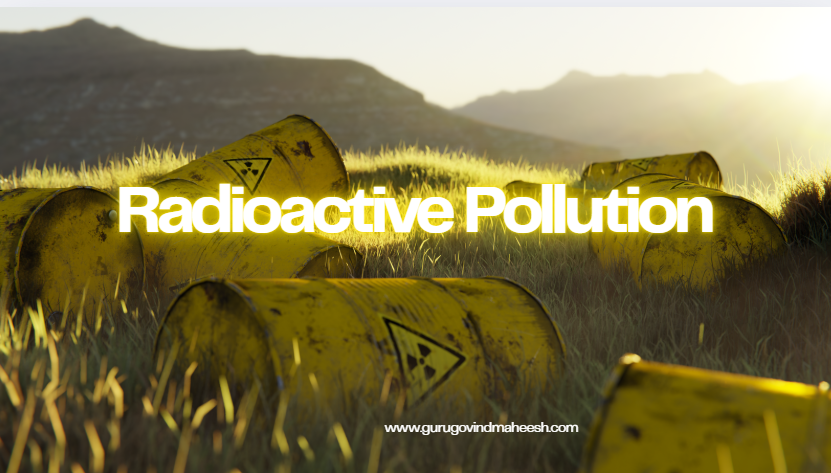
- Radioactive pollution means there is unwanted presence of radioactive substances in the world around us.
- These substances can come from nature, like cosmic rays. They can also come from things people make, like nuclear power plants and nuclear weapons.
- If people get too much of these radioactive substances, it can be bad for their health. It can cause cancer and even lead to genetic mutations.
- Radioactive waste must be managed and thrown away very carefully. If not, it can harm the world for a long time.
- There is a difference between contamination and pollution. Contamination is just having radioactive material present. Pollution is when it becomes a threat or danger to the world around us.
- Countries have rules to control how people use and throw away these radioactive substances. These rules are to keep all of us safe.
Introduction
Radioactive pollution is when there is a quiet but clear rise in natural radiation because of radioactive substances. This happens when these materials get into the air, water, or soil. This is not good for people, animals, plants, or other living organisms. Some radiation is part of nature, but human activities have made the problem worse. It is important to understand radioactive pollution. When we know more about it, we see how it can harm our planet and health. This also helps us think about what can be done to lower its effects.
Understanding Radioactive Pollution
When we talk about radioactive pollution, it means that there are radioactive substances in places where they should not be. The presence of these substances in the environment leads to what is called environmental contamination. This can be bad for human health and for nature. The risk comes from the kind of radiation that these radioactive substances send out.
It is important to tell the difference between radioactive contamination and other things. Radioactive contamination means these materials are on things like surfaces, or they are inside solids, liquids, or gases. These two things might sound the same, but they are not. The words do not mean the same thing. Let’s talk about what this pollution really means and see how it is not the same as just simple contamination.
Definition of Radioactive Pollution
Radioactive pollution means the air, water, or soil has been affected by radioactive substances. It happens when these materials get into the environment, and this can be bad for people and other living things. Radioactive pollution often comes from how these substances are released from different places. This unwanted pollution can make the area unsafe or harmful.
The main problem with radioactive pollution comes from the radioactive decay process. When these unstable things start to break down, they give off ionizing radiation. This includes alpha particles, beta particles, and gamma rays. The energy that comes out during this process can harm living things and the environment.
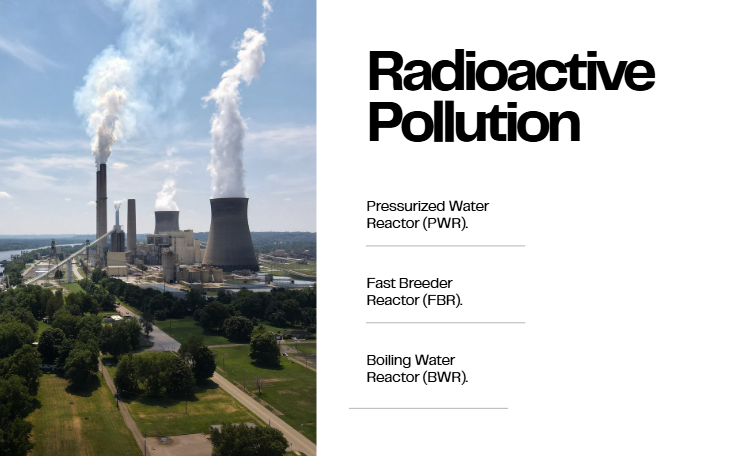
The effects of radioactive pollution can be very harmful and last a long time. This is not like other types of pollution. Radioactive material cannot be made safe by any chemical or any living thing. It stays harmful until it fully breaks down. For some types, this can take thousands of years. The effects of radioactive pollution can be a big problem for people and the world for a long time.
Difference Between Radioactive Pollution and Radioactive Contamination
Radioactive pollution and radioactive contamination are not the same, even though people sometimes use them in place of each other. Radioactive contamination happens when the radioactive material ends up somewhere it should not be. It can get on a surface, in a space, or on things like your clothes or hands. For example, if there is a spill of radioactive liquid on the floor, that is called radioactive contamination.
Radioactive pollution means that radioactive materials are spread out in the environment. This pollution can be dangerous for people, animals, and plants. When radioactive contamination is found in many places, it leads to this type of pollution. So, radioactive contamination is what causes radioactive pollution. The pollution is the result and it brings the danger of radiation.
All radioactive pollution begins with radioactive contamination. But not every case of contamination turns into a big pollution problem. A small leak or spill that stays in one place is just a contamination issue that can be taken care of. When radioactive isotopes move into the air, water, or soil, it leads to environmental contamination. This is when the problem becomes bigger and turns into radioactive pollution.
Types of Radiation in Radioactive Pollution
The danger from radioactive pollution is because of the energy that gets out when radioactive decay happens. This energy comes out as radiation. There are two main types of this radiation. The kind of radiation tells us how risky it is, how far it can go, and how much it can get into things.
Knowing about these types is important to really understand the dangers that come from nuclear disasters and other places that have radioactive things. There are several kinds of electromagnetic radiation. A lot of these are always around us. But the high-energy ones are the most dangerous. Let’s talk about how ionizing radiation is different from non-ionizing radiation.
Ionizing Radiation Explained
Ionizing radiation is the main reason why people worry about radioactive pollution. It has so much energy that it can remove electrons from atoms and molecules. This process is called ionization. It can harm living organisms by damaging cells and DNA.
This type of radiation is made by unstable atoms when they break down, a process called radioactive decay. It also comes from nuclear reactions in power plants, including nuclear power plants, and from cosmic rays.
The main types of ionizing radiation include:
- Alpha particles: These are heavy and have a positive charge. A sheet of paper or your outer skin can stop them.
- Beta particles: These are electrons that move fast. They can get into your skin but things like glass or aluminum can block them.
- Gamma rays: These are waves with a lot of energy. They can go deep into the body and need thick or heavy things like lead or concrete to stop them.
Ionizing radiation can hurt cells, which can then cause radiation sickness, genetic mutations, and even cancer. Because of this, things that give off this kind of radiation are very dangerous.
Non-Ionizing Radiation Explained
There are a few types of radioactive pollution. One is ionizing radiation. The other is non-ionizing radiation. Non-ionizing radiation has less energy than ionizing radiation. It cannot take electrons off atoms. But, it can make molecules shake and move faster. This will make heat. Non-ionizing radiation is also a type of electromagnetic radiation with longer wavelengths.
Some common types of non-ionizing radiation are radio waves, microwaves, infrared light, and visible light. We use many devices every day that give off this kind of radiation. These include cell phones, radios, and microwave ovens. Non-ionizing radiation is usually seen as less harmful than ionizing radiation. But if people are exposed to it at high levels, there can still be health risks.
For example, being around a lot of microwaves for a long time can heat up your body tissues and hurt them. In the same way, being in the sun too long makes you get too much ultraviolet (UV) light. UV light has more energy than most other non-ionizing kinds and can burn your skin or put you more at risk of getting skin cancer. But, UV light cannot change atoms the way ionizing radiation can.
Main Sources of Radioactive Pollution in India
The sources of radiation pollution come from many places. Some come from the earth, and some come from people. These sources let out radioactive substances into the air, water, and ground. They add to what we call background radiation. Sometimes, they make places much more dangerous, called hot spots. Human activities, like nuclear weapon testing and accidents at nuclear power plants and other power plants, are some of the biggest causes of radiation pollution.
Still, the way people get rid of nuclear waste can make the problem worse. Some things used in factories or hospitals play a part in this, too. We need to know where this pollution comes from to find good ways to stop it. The sources mostly fall into two main groups: natural and human-made.
Natural Sources of Radioactivity
What are the main sources of radioactive pollution? It might be surprising, but much of the radiation that people get comes from natural sources. This kind of background radiation has always been in the world and it affects all living organisms. These sources are always there, and they add to the amount of radiation we get every day.
Some key natural sources include:
- Cosmic rays: High-energy bits from space, and the sun, keep hitting the Earth’s air all the time.
- Terrestrial radiation: Radioactive elements like uranium, thorium, and potassium are found in the Earth’s crust, rocks, and soil.
- Inhalation: Radon is a radioactive gas. It comes from uranium breaking down in the ground. This gas can move into buildings, and people can breathe it in.
- Ingestion: Small amounts of radioactive elements are in the food and water that we use every day.
These natural sources usually carry a low risk. But the amount of these things can change from place to place. Human activities like mining can sometimes build up these natural radioactive materials. This can make people more exposed to them.
Human-Made Sources – Nuclear Power Plants & Industries
Radioactive pollution comes from several sources, but human activities are the main reason for it. Nuclear power plants play a big part in this. They help to give people energy, but they also make a lot of radioactive waste. This radioactive waste needs to be handled in a safe way. Sometimes, accidents can happen at these nuclear power facilities. If there is a leak or a meltdown, dangerous materials can get into the environment in a short amount of time.
The whole nuclear fuel cycle has some risks. These risks start with the mining and processing of radioactive ores and go all the way to getting rid of used fuel. When people mine uranium, they make tailings. These tailings have radioactive substances. If not contained the right way, these can get into the soil and water.
Other jobs in the industry add to this, too. These activities are:
- The making of nuclear weapons.
- Reprocessing used nuclear fuel.
- Accidents while moving radioactive waste.
These things make radioactive waste. This adds to the environmental burden. We need safe and long-term places to keep it, so there is no leakage.
Medical, Scientific, and Technological Uses
Radioactive pollution comes from many sources. Power plants and weapons often get most of the attention, but there are other ways people use nuclear technology. Some uses are very helpful, especially in medicine, science, and industry. Still, these uses add to radiation exposure and the building up of radioactive waste.
In medicine, people use radioactive substances to help find and treat disease. X-rays, CT scans, and other procedures all use some form of radiation. They can help doctors see inside the body. They also use them to target and fight cancer cells. All of this is a part of how radioactive pollution, radioactive waste, and radiation exposure affect us.
Medical uses of radiation are usually safe because they are well controlled. But, they still add to a person’s total radiation exposure. The equipment and radioactive isotopes used in these treatments turn into waste in time. This waste must be thrown away in a safe way. Public awareness of the risks and the good sides is very important. It helps people make smart choices about radiation in medical care.
Radioactive substances are used in a number of industries. For example, smoke detectors often have small amounts of americium in them. People also use these materials as tracers to find leaks in pipelines. Each use needs only a small amount of radioactive material. But since these uses are so common, they all add up. This means the total amount of radioactive material that has to be managed is high.
Common Radioactive Pollutants and Examples
Many radioactive elements, or radionuclides, cause radioactive pollution. These pollutants can stay in the environment for many years. During this time, they keep giving off radiation as they break down. Some radioactive pollutants like uranium are found in nature. Others are made by people through human activities, such as nuclear fallout from weapons testing.
The level of danger depends on the radioactive material used. The type of radiation it gives off is also important. Knowing about these common pollutants helps us see the risks from radioactive waste and other things like it. Let’s look at some natural pollutants and some that come from nuclear things.
Uranium, Radon, and Other Natural Pollutants
Some common examples of radioactive pollutants are uranium and thorium. These radioactive elements are found in rocks and soil all over the world. Over time, they start to break down. When they do, they make other radioactive elements. One well-known example they create is radon.
Radon is a gas that you cannot see, smell, or taste. It is one of the biggest reasons for natural radiation exposure. Because radon is a gas, it can move up from the ground and get into the air we breathe inside homes and other buildings. When this happens, people can breathe in radon without knowing. The effects of radioactive pollution like this are big, as radon is one of the main causes of lung cancer.
Other key natural pollutants include:
- Uranium: You can find this in soil, rock, and water. Mining can make the amount of uranium higher.
- Potassium-40: This is a natural form of potassium. It is in the body and in a lot of foods that we eat.
- Carbon-14: Cosmic rays in the sky make this. It gets into all living things.
These elements add to the background radiation that we are around each day.
Fallout from Nuclear Weapons and Accidents
Radioactive fallout is made up of radioactive material that comes down from the sky after explosions of nuclear weapons or nuclear accidents. During these events, the air sends radioactive particles way up into the sky. Wind will move these particles across very large areas. Soon, this radioactive contamination lands back on the ground or into water. The fallout can stay in the environment for a long time, sometimes for decades and even centuries, which will lead to pollution.
The Chernobyl disaster shows how dangerous fallout can be. A blast at the site sent a cloud of radioactive material across Europe. It got into the soil, the crops, and the water there. In the mid-20th century, there was nuclear weapons testing in the air. This spread more fallout around the world. It caused an increase in radioactive isotopes everywhere.
Key isotopes found in nuclear fallout include:
| Isotope | Half-Life | Primary Health Concern |
|---|---|---|
| Strontium-90 | 29 years | Accumulates in bones, increases cancer risk. |
| Cesium-137 | 30 years | Can be absorbed by the body, exposing tissues to gamma radiation. |
| Iodine-131 | 8 days | Concentrates in the thyroid gland, can cause thyroid cancer. |
These substances get into the food chain. They can be a health risk for people and animals over time.
Effects of Radioactive Pollution on Environment and Living Beings
Radioactive pollution can cause big problems in nature. It affects tiny organisms and whole ecosystems. The ionizing radiation from this pollution can hurt living cells. This damage can cause many health issues. The effects of radioactive pollution are often very bad for human health and animal life.
A big nuclear disaster can cause a lot of harm. It can make large parts of land bad for people to live in. This can also hurt the health of people for a long time. Even small and steady exposure to nuclear materials can raise the chance of getting bad diseases. Now, let’s take a closer look at how a nuclear disaster can affect people and the world around us.
Impact on Human Health – Genetic Mutations & Diseases
The health risks that come with radioactive pollution are some of the worst problems it causes. When the body gets exposed to ionizing radiation, it can hurt cells a lot. If a person gets high doses of radiation, it can bring on acute radiation sickness. This has symptoms like nausea, vomiting, and losing hair. It can even be deadly for some people.
Long-term radiation exposure, even in small amounts, can cause health problems that last a long time. The radiation can hurt the DNA in your cells. This damage may lead to genetic mutations. Sometimes the body fixes these changes, but sometimes it does not. The cell can die, or it can start to grow out of control. This is how cancer can start. Leukemia and thyroid cancer are two common types linked with radiation exposure and the genetic mutations it can cause.
Key health effects include:
- Increased cancer risk: This is the most common long-term effect for people from radiation exposure.
- Genetic mutations: Radiation can hurt the DNA in your reproductive cells. This damage can be passed on to the next generation. It can cause birth defects.
- Radiation sickness: This happens when you get a high dose of radiation in a short time. How bad it gets depends on the dose, how long you are exposed, and the type of radiation.
Effects on Animals, Plants, and Soil Fertility
Radioactive pollution can hurt the whole environment, not just people’s health. The land, plants, and animals can all feel the bad effects of environmental contamination. When radioactive substances get into the soil, plants take them in. This causes harm to the plants. It can also put radioactive substances into the food chain.
Animals that eat plants or drink water with radioactive isotopes in them can build up these harmful materials in their bodies. This can give them health problems like humans get, such as cancer, issues having babies, and genetic mutations. Problems for animal life can upset the balance of the ecosystem.
Radiation can also hurt the fertility of soil. It may kill tiny helpful microorganisms that the soil needs to stay healthy. These little organisms help in cycling nutrients, which is good for plants. When radioactive chemicals get in the soil, they can mix with the soil’s nutrients and make the ground toxic. This makes the soil infertile. It can be hard for plants to grow in this kind of soil. Over time, this can damage the land for many years.
Prevention and Control of Radioactive Pollution
Because the effects of radioactive pollution are so serious and last for a long time, it is important to prevent and control it. The main thing to do is keep radioactive substances contained and make sure they do not get out into the environment. There must be strict safety steps when people use or make radioactive materials, like at nuclear power plants and other power plants, as well as at medical places. Taking care of radioactive waste the right way is also very important. It helps keep dangerous stuff away from people, so it does not cause harm.
Another key part of control is to help people know more about the risks of radiation and what they can do to stay safe. If people learn the right things, they can make better choices and also support rules that help lower environmental contamination. A mix of strong technical steps, clear rules, and good public awareness is needed to limit the danger from radioactive pollution. These steps are important to keep public health and the environment safe from the bad effects of radiation.
International and Indian Regulatory Measures for Safety
Many steps are taken around the world to cut down on radioactive pollution. There are several big groups and rules that help manage the risks of radioactive materials.
The International Atomic Energy Agency (IAEA) sets safety standards and gives advice to countries. It helps with the safe handling, moving, and getting rid of radioactive waste.
In the United States, the Nuclear Regulatory Commission (NRC) checks and controls power plants and all uses of nuclear materials. It makes sure these groups follow all safety rules for nuclear power plants. These actions help to lower risks from radioactive waste and keep people and the planet safe.
These rules are in place for every step of using radioactive substances. Power plants, especially nuclear power plants, must keep workers and people safe from high levels of radiation exposure. They must have many safety layers built into their design. There are also clear steps for how to safely keep waste away from people and the environment.
Key regulatory actions include:
- Safe operating procedures must be set up for all nuclear sites.
- The environment around nuclear sites should be checked often. This helps to find out if any leaks are taking place.
- There needs to be good long-term ways to get rid of high-level radioactive waste. One way is to store it deep under the ground. These steps help stop accidents and lower the release of radioactive materials into the air and water.
Conclusion
To sum up, knowing about radioactive pollution is important for the well-being of people and the earth. When you learn about the types of radiation, where it comes from, and what it can do to the environment and living things, you start to see why we need to keep it under control. Rules around the world and spreading knowledge also help us lower the dangers that come with radioactive pollution. If you want to know more about radioactive pollution or have questions, you can ask for a meeting or talk. Your well-being and the planet’s well-being depend on what we do!
Frequently Asked Questions
What is radioactive pollution?
Radioactive pollution happens when there is the presence of radioactive substances in the air, water, or soil. When these materials get into the environment, they give off harmful radiation. This pollution can hurt living organisms. It can cause problems like genetic mutations, cell damage, and several other diseases. It is important to know that radioactive pollution is not good for people, animals, or plants.
What is Radioactive Pollution / Radioactive Contamination?
What is radioactive pollution?
Radioactive pollution happens when there is the presence of radioactive substances in the air, water, or soil. When these materials get into the environment, they give off harmful radiation. This pollution can hurt living organisms. It can cause problems like genetic mutations, cell damage, and several other diseases. It is important to know that radioactive pollution is not good for people, animals, or plants.
What are the types of radioactive pollution?
The pollution comes from two main kinds of radiation. These are ionizing and non-ionizing. Ionizing radiation has a lot of energy. It includes things like gamma rays, alpha, and beta rays. It can hurt DNA in people. This kind of radiation often comes from nuclear power plants.
Non-ionizing radiation is not as strong. It includes things like microwaves and radio waves. This kind of radiation can also be bad if you get too much of it or are close to it for a long time. Power plants can be a source of both kinds of radiation.




