
Key Highlights
- Pisciculture means the practice of fish farming. It is all about the breeding and rearing of fish and nothing else.
- Pisciculture is a good example of fish culture. It is just one part of a bigger field called aquaculture. Aquaculture is the term for farming all types of aquatic life.
- This type of fish culture plays a big role in food production around the world. People get a steady source of protein through the production of fish.
- Pisciculture helps lower the strain on wild fish species as it can keep up with the big demand for seafood.
- The farming and production of fish is done in controlled places like tanks or ponds.
- Knowing the difference between pisciculture and aquaculture is important for anyone who wants to get into the farming of aquatic life.
Introduction
Have you come across the words pisciculture and aquaculture? You might feel unsure if they mean the same thing. A lot of people feel that way too. This industry uses many different words, and they can be hard to figure out. Learning the difference helps you get started into the area of aquatic farming.
Pisciculture is a type of fish culture. It is important for food production. This kind of fish farming makes sure there is fish to eat. In this guide, we talk about what pisciculture really is. We help you see why it matters so much for the world now. Fish farming keeps growing each year, so it is good to know what these words mean.
Understanding Pisciculture: Definition & Meaning
Pisciculture is a word that comes up a lot when people talk about aquatic farming practices. It is about the controlled breeding, rearing, and farming of fish. You can think of it as the practice of fish farming, where you raise fish in a planned way. It deals with the science and work of fish breeding and rearing. This is the main idea behind pisciculture.
This practice is important for the production of fish that people use for commercial purposes. It helps keep seafood available for people all over the world. Now, we will look at what this term means, its exact definition, and where the word comes from.
What Does Pisciculture Refer To?
Pisciculture means fish farming. It is the farming of fish in controlled spaces. People practice pisciculture in ponds, tanks, or enclosures. They do not catch these fish from the wild. The main aim of fish farming is to grow fish for food or to sell in the market.
This way of fish culture lets farmers take care of the whole life of aquatic organisms, like fish. Farmers look after the breeding of fish, help them grow, and get them ready for harvest. They keep an eye on water quality, what the fish eat, and the temperature to make sure the fish stay healthy. With this, farmers give the fish good conditions to live and grow well.
Pisciculture is a special way of farming. It is only about the farming of fish. It does not be the same as raising shellfish or plants like seaweed. The farming of shellfish and seaweed are in a bigger group. Pisciculture just focuses on fish.
Pisciculture Definition in English
In English, pisciculture means to breed, rear, and move fish using artificial ways. People do this by raising certain fish species in places made for them. Pisciculture helps with food production by making sure there is a steady supply of fish for people to eat. This practice makes it easier for people to get the fish they need. It is important because it helps us have enough fish all the time.
So, what is the main difference between pisciculture and aquaculture? The main difference comes from what each one covers. Pisciculture is just about fish farming. It is a subset of aquaculture. Aquaculture is the bigger term. It is about farming all types of water life. This means not just fish, but also crustaceans, mollusks, and aquatic plants are included. For example, shrimp, oysters, and seaweed are all part of aquaculture.
Think of it like this. Every pisciculture is a kind of aquaculture. But not every aquaculture project is about pisciculture. This is important for people in the industry who work with the production of fish. It helps them when they plan projects or get equipment. They need to know this when they talk about what they want for the production of fish.
The Origin and Etymology of “Pisciculture”
The word “pisciculture” comes from Latin. In Latin, “piscis” means fish and “cultura” stands for growing or raising. While people have been rearing fish for a long time, the word “pisciculture” is newer and used in a formal or science setting. This word shows that the practice is all about fish culture.
The word “pisciculture” is often used in schools, science, and government to explain a very specific way of raising fish. People use the term to show the difference between the science of raising fish and the bigger world of aquaculture. If you read a book for class or look at a paper about aquatic farming practices, you are likely to see “pisciculture” there. This word is often used when talking about the details of farming fish.
In day-to-day talk and in the farming business, most people say “fish farming.” The word “pisciculture” is the official name, but you will hear “fish farming” more on the job or when people work together. Both words mean the same thing. Which word to use will often depend on who you are talking to and where you are.
History and Evolution of Pisciculture
The practice of raising fish is more than an idea from today. People have been farming fish for many years, all over the world. A long time ago, people started by using simple ponds. With time, the farming of fish got better. Now we use new, high-tech systems for it. The reason for this change is to make sure we have a good supply of food. Also, it helps us not rely too much on catching wild aquatic animals.
This way of moving from old methods to new fish production tools has changed how we do fish culture these days. We will talk about some early ways, how people started to use it in many places, and what its story is like in India.
Early Practices and Worldwide Adoption
People have done pisciculture for thousands of years. The practice started a long time back, with records from China and Egypt. These early aquatic farming practices were made to add more food to diets and help make sure there was enough to eat. This meant people did not have to rely only on catching fish in the wild, which can be uncertain. Because of farming fish in a planned way, wild fish populations got some protection, even in those old times.
Today, people practice pisciculture all around the world. Asia leads in fish production and is at the forefront of this industry. Many countries in Asia use pisciculture as part of their businesses. It helps to meet the big need for seafood. This practice also provides jobs for many people.
The ways of farming fish have changed a lot over time. People first used simple dirt ponds, but now there are much more advanced ways, like mariculture, which is farming in the sea, and using tanks where water goes round and round. This way of farming has spread all over the globe. It plays a big part in giving people food and helps with food security. It is also very important for environmental sustainability.
Pisciculture in India: From Tradition to Modernity
In India, pisciculture has changed a lot over the years. It used to be a small and common practice done in local ponds and tanks. Now, it has become a big business and a main part of the fisheries industry. With the many rivers, lakes, and a long coastline in the country, India has some of the best places for growing fish. New ways of raising fish have made it possible to get much better production than before.
Pisciculture is common in India. Many places practice it, but most of the fish farms are found in Andhra Pradesh, West Bengal, and Odisha. These areas are at the top when it comes to fish farming for commercial purposes. There is a lot of investment in aquaculture there. People in these states work on farming many types of fish, and this helps millions of people make a living.
India uses different ways to farm fish. One way is called monoculture, and the country farms just one type of animal, like shrimp, at a time. Another way is when several kinds of fish that eat in other ways are raised together in one pond. This mixing of methods allows india to get more results from farms. It also adds a lot of food for the people.
Who Coined the Term Pisciculture?
You may want to know, who started using the word pisciculture. The term does not come from just one person. It appeared within the scientific field in the 1800s. People used it to describe fish farming in a more official way. The use of pisciculture was just one part of a bigger effort to name different things that people do to farm on land and in water, like aquatic farming practices and other types of farming.
The term was needed so people can tell the difference between the farming of fish and aquaculture. Aquaculture covers all types of water animals, but farming of fish just talks about fish. A special word helps researchers, and those who work in this area, talk about the production of fish in a clear way. This way, they know what is the focus when they talk about farming.
So, you can’t thank only one person for creating the word. Its growth shows the bigger need and special work in this field. It helped change raising fish from just a simple thing people do, to a clear science.
Core Activities Involved in Pisciculture
Successful fish farming is not just about putting fish in water. The work has steps that you need to follow. Each step helps with the healthy growth and production of fish. You start with the breeding of fish and finish with the harvest. Every part needs management and close attention. This way, the farming process goes well and you can get good results in the production of fish.
The main steps in this farming practice are using special ways for breeding, careful hatchery management, and keeping a close watch on the fish and their water. You can look at each of these steps to better know what the rearing process is all about.
Fish Breeding Techniques
One of the important parts of pisciculture is the breeding of fish in a careful way. In a farm, people do not let fish breed like they do in the wild. They use breeding techniques to get young fish that have traits they want. This usually happens in special places set up with fish tanks or artificial ponds.
Farmers have a few ways to do breeding, and they can pick what fits their needs and what animals they have. Each way has its own good points that can help with production. Here are some of the main methods people use:
- Monoculture: This type of fish farming means there is only one fish species raised in the pond or tank. It makes it easy to manage everything. People use it when they want a lot of just one kind of product.
- Polyculture: This is sometimes called composite fish farming. It means several types of fish live together in the same place. Farmers pick types of fish that do not fight for food. This way, all of the pond’s resources are used well.
- Monosex Culture: In this practice, people raise only male or only female fish from one species. Many use this for tilapia because one of the sexes gets bigger or grows faster.
These breeding methods are important for getting a harvest that you can count on. They help make sure that the amount and quality of the crops will be the same each time. This way, people know what to expect every year.
Hatchery Management and Care
After breeding, the next important step is hatchery management. A hatchery is a place made for hatching fish eggs. The young fish are called fry or fingerlings. People take care of them here when they are small and weak. Good care in this stage is very important for the whole fish culture process to work well.
Effective hatchery management is about making sure the place stays clean and steady. To do this, people use careful water treatment to get rid of things the fish do not need. This also helps keep the best level of oxygen in the water for the fish. The temperature of the water gets checked often, so it fits what the fish species need to grow well.
Feeding at this time is careful work. The young fish have to get food that has many nutrients and comes in the right sizes. This helps them grow well and be strong. People must watch them all the time. Doing this stops sickness from happening and helps most of the fish live. Once the fish are big enough, they get moved to larger ponds or tanks to keep growing.
Feeding, Growth, and Monitoring
When the fish leave the hatchery and go to the grow-out system, the focus is on feeding and helping them get bigger. The fish need to grow and stay healthy, so you look after them and watch their growth every day. At this time, making sure you use the right feeding plan is very important. Food is one of the biggest costs in the farming of fish, so you want to do things in a way that help your fish grow well and keep your farming business running smoothly.
Farmers give the fish species special feeds made to meet what they need at each stage of life. The aim is to help the fish grow well and not waste food. Giving food at the same times each day and in the right amount can help the fish grow at a steady rate.
During this time, you need to keep watching the water quality. You should check pH, ammonia, and dissolved oxygen often. You also have to look at the fish to see if they show signs of sickness or stress. Doing this helps you stop problems before they start and makes sure you get a good harvest.
Types and Systems of Pisciculture
Just like there are many types of fish, there are also different ways to practice fish farming. People use several farming methods. These can be based on how much work they need, the place where they raise the fish, or the types of enclosures that keep the fish in. The main difference in these fish farming systems is often about how much control and money people have to put in.
Choosing the best system for farming fish depends on the species of fish you want to grow, the resources you have, and what you want for the business. Here, we talk about how extensive and intensive farming are different. We also look at the main species of fish people farm, and the usual ways used in pisciculture.
Extensive vs Intensive Pisciculture
Pisciculture systems can be split into two types. They be called extensive and intensive systems. The main difference is in how much work and resources people put in, and in how the systems are managed. Extensive pisciculture usually means raising fish in large, natural or semi-natural ponds. These ponds do not be packed with too many fish. The fish use natural food found in the pond. People do not have to step in much. The system runs mostly by itself.
Intensive pisciculture uses a lot of fish in a small space, like in tanks or raceways. This system needs to have special food given to the fish, good air put into the water, and water quality checked all the time. The production of fish is much higher here for every bit of space used, but it takes more money and skill to run this kind of setup.
Here’s a simple breakdown of the differences:
| Feature | Extensive Pisciculture | Intensive Pisciculture |
|---|---|---|
| Stocking Density | Low | High |
| Inputs | Minimal (relies on natural food) | High (formulated feed, oxygen) |
| Control Level | Low | High |
| Production Yield | Lower | Higher |
| Cost | Lower initial investment | Higher capital and operational cost |
Both systems help to reach food security. The choice you make depends on the area and what the local plans are for money and jobs.
Major Species Farmed in Pisciculture
The world of pisciculture has many different species of fish. People all over the globe farm hundreds of them. But, only a few main species of fish are used the most in aquaculture and farming. This is because they grow fast, can live in different conditions, and a lot of people want to buy them. These fish are very important. In fact, they make up the core of many aquaculture and farming businesses.
Choosing which fish species to raise is an important step when setting up a fish farm. Farmers look at things like the weather, how much water there is, and what price the fish will get in the market. Some fish that people farm a lot are:
- Tilapia: Tilapia is known for being strong and growing fast. It is one of the top fish used for farming all over the world, mainly in places with freshwater.
- Catfish: Catfish is liked for its light taste. This fish gets farmed a lot in the United States and in Asia.
- Common Carp: Carp is tough and has been part of farming for many years. People in Europe and Asia still eat it a lot.
- Salmon: Salmon is often raised in cages in marine environments. This fish is worth a lot and has global demand.
These species are the main part of what people do in modern pisciculture.
Common Culture Methods: Pond, Cage & Recirculating Systems
Pisciculture uses a few main ways to raise fish. Every way has its own good and bad parts. People pick the way that works best for the kind of fish, the place, and how big the fish farm is. One old and very common way is pond culture.
These types of systems make up the places and spaces where fish grow. Here are some of the main ways people raise fish in this business:
- Pond Culture: In this system, people raise fish in natural ponds or ones they build with earth. You can use this way to farm many kinds of fish. It can be simple or more advanced, and you get to choose how you want to work with it.
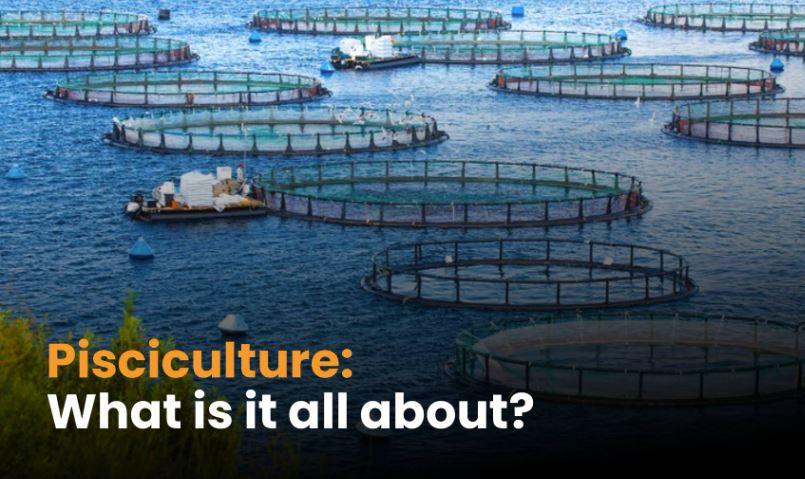
- Cage Culture: Here, fish are kept in cages or nets in bodies of water, like lakes, rivers, or the sea. The fish stay inside the cages while they grow, and you use the water that is already there for farming.
- Recirculating Systems (RAS): This way of farming uses land-based fish tanks, like plastic fish tanks. The water in the fish tanks gets cleaned and used again and again. People who use RAS like the high level of control it gives, but it often needs good planning and more money to set it up.
These ways show the many steps farmers use to raise fish well.
Importance and Benefits of Pisciculture
Fish farming gives us more than just food. It also has many good effects on the economy and the environment. As more people live in the world every year, the need for protein grows. Pisciculture is a way of farming that helps answer this growing need. It is important because it can help with food security in many places around the globe.
By using a managed way to raise fish, pisciculture helps take the strain off wild fish stocks that are getting low. This practice is good for environmental sustainability. Now, let’s look at the economic impact of pisciculture and see its benefits for the environment.
Economic Impact and Livelihood Generation
Pisciculture, also called fish farming, is important because it helps the economy in many ways. Fish farming is a big part of local, national, and world markets. The practice of farming fish for commercial purposes lets people get seafood more easily. This helps meet the global demand for seafood that keeps growing every year. With pisciculture, more people have jobs, and the country’s economy gets stronger.
This industry is a strong driver for people to get work and bring in money. It makes millions of jobs in fisheries. Many of these jobs are in places by the sea and in the country. People can work on the farms, help make feed, handle the processing, move goods, or do the marketing. This means there are many ways for them to find good work and help their families.
Here are some key economic benefits:
- The fish farming industry creates jobs for people. There are both direct jobs and other jobs that come from the industry.
- Fish farming helps people make money. This includes small farmers and big companies. All of them can get income from it.
- It helps the country rely less on fish from other countries. People buy more local fish because of fish farming.
- Fish farming helps towns and villages grow. It also helps people have more money and be less poor.
This is why pisciculture is one of the most important things for keeping the economy steady in many areas.
Environmental Advantages and Food Security
Apart from giving a boost to the economy, pisciculture has more benefits too. A big one is how it helps with environmental sustainability. When people practice farming of fish in a controlled way, this means less fishing from the wild. So, it takes some pressure off wild fish populations. A lot of these fish are taken too much from nature and can be lost if things do not get better. With pisciculture, we get fish we need and keep wild fish going strong for the year and years to come.
This practice is very important for global food security. Fish farming gives a steady and safe way to get high-quality protein with great nutritional value. Because of this, sustainable seafood production helps to feed millions of people around the world. It is most helpful in places where other kinds of food may not be easy to get. With fish farming, people have a better chance to get the seafood and nutrition they need.
Key benefits for the environment and food security include:
- It helps save the earth for people now and later.
- It means there can be more food for all of us, so less go without food.
- It can lower harm to our plants, water, and air.
- It works to keep jobs and ways to live, since good air and clean earth help us all.
- Food can be healthy for people, which is great for our lives.
- Farming helps protect wild fish stocks. It also supports marine biodiversity.
- It makes protein in an efficient way. Farming uses less carbon than some land-based animal farming.
- You get a steady supply of good food all year from farming.
- Farming can also use systems that recycle waste and save water.
These good things make pisciculture an important way to help us build a future that works well for people. A future with pisciculture can be good for all of us and help take care of earth and water.
Conclusion
To sum up, pisciculture is very important in food production and helps with economic development. When you understand what pisciculture is, how it started, and the main things that go into fish farming, you start to see why this type of farming matters. It helps make more food for people and gives many people jobs. Fish farming helps make food security better for many people, not only in one area but all over the world. As we deal with keeping food sustainable in our time, it is important to keep in mind how responsible fish farming can help us. If you want to know more about pisciculture or want to get started in this kind of farming, feel free to ask for a free consultation.
Frequently Asked Questions
Is Pisciculture Considered Agriculture?
Yes, pisciculture is a kind of agriculture. The farming of fish is part of the same group as animal husbandry, where people raise animals or livestock. Pisciculture is a special type of aquaculture. Aquaculture is a big part of the farming world and focuses on growing things in water.
What’s the Difference Between Pisciculture, Aquaculture, and Fish Farming?
The main difference between these terms is how wide they are in meaning. Aquaculture is a broad term for farming any life that lives in water. Pisciculture is a smaller part of aquaculture, as it is only about fish. Fish farming is the common way people talk about pisciculture. Most people use fish farming because it is easier to know and say than the scientific word.
Where is Pisciculture Practiced Most in India?
Pisciculture is common in India. The highest production of fish is seen in places with a lot of water. Andhra Pradesh is the top state for farming and catching fish. West Bengal comes after that, along with some other states that are close to the sea. These places have strong fisheries. They use new aquatic farming practices. Many species of fish are grown and caught there.




