
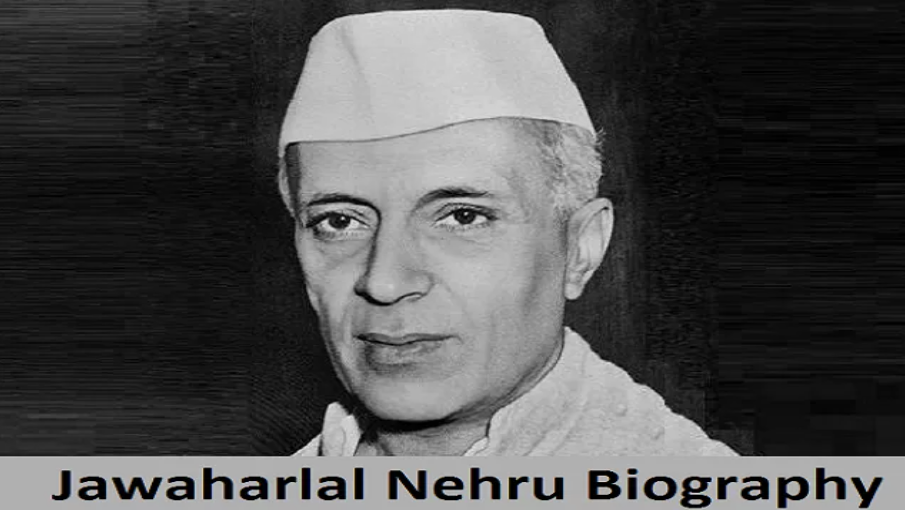
Key Highlights
- Jawaharlal Nehru was a key figure in the Indian independence movement. He fought against British rule and became the first prime minister of independent India.
- He worked with Mahatma Gandhi and stood up for a free India. At times, their ideas about things like nonviolence in defense did not match.
- When he became the prime minister of independent India, Nehru worked hard to shape modern India. He started new economic plans and built a secular and democratic way for the country.
- Nehru set India’s foreign policy during the Cold War. He helped with the Non-Aligned Movement, so India stayed neutral between the United States and the Soviet Union.
- Nehru’s daughter, Indira Gandhi, also got into politics. Later, she became prime minister too.
- Jawaharlal Nehru died in New Delhi on May 27, 1964. He left a strong impact on the nation.
Table of Contents
Introduction
Jawaharlal Nehru is known as a major figure in today’s history. He is called the main leader for independent India. As the first prime minister, he helped guide the country after freedom. He led India as it moved from being a colony to becoming its own free nation. His time as a leader was very important during the fight for freedom. Nehru’s work continued to change the way India grew even after independence. This biography tells the story of his early life, how he got into politics, and the big role he played as a world leader.
Early Life and Family Background of Jawaharlal Nehru
Jawaharlal Nehru was born in Allahabad to an affluent Kashmiri Brahman family. His father, Motilal Nehru, worked as a barrister and was also active in politics. Because of this, Nehru’s childhood had many comforts and he got good education. He spent time in a home that had a lot of British ways. Nehru learned first from tutors at home, then went to England for his studies.
He grew up with a special way of looking at the world. He learned even more while going to Harrow School and Trinity College. Studying in these places, along with his work in law, helped him get started in Indian politics. Now, let’s talk more about his birth, his education, and his family connections.
Birth, Ancestry, and Childhood in Allahabad
Jawaharlal Nehru was born on November 14, 1889, in Allahabad, India. He came from a rich and well-known Kashmiri Brahman family. Because of this, his early years were filled with comfort and the customs of the British Raj. His father, Motilal Nehru, was a top lawyer. He was also an important name in Indian politics. Motilal Nehru raised his son to follow in his steps from the start.
The family’s home was always full of talks about ideas and politics. This helped young Nehru learn many things early on. He got his education at home from several British tutors. Because of this, he saw the world in a different way than most people of his age in India. His childhood mixed Indian roots with a Western way of learning.
He became a person who was close to his Indian roots but also at ease with life in the West. His younger days in Allahabad were the place where this all began. This was when his long path started. Later, he would become a big name in the fight for India’s freedom.
Educational Journey and Influences
When Nehru was 16, he stopped learning at home. He then went to study in some top schools in England. In 1905, he joined Harrow School in London to get ready for college. At Harrow School, he got the chance to see what life and study in England were really like. This changed the way he saw the world.
After studying at Harrow, Nehru went to Trinity College, Cambridge. There, he got a degree in natural science. While he was at Trinity College, he learned many new ideas. He read about socialism and other thoughts from different people. These early years had a big effect on the way he looked at politics and the economy later in his life.
After he finished his degree, Nehru went to London. He studied law at the Inner Temple. He became a barrister and came back to India in 1912. Nehru worked as a lawyer for some years, but his heart was somewhere else. He wanted to fight for the future of his country.
Jawaharlal Nehru’s Relationship with His Parents and Siblings
The home that his parents made for him played a big part in shaping Jawaharlal’s early years. His father, Motilal Nehru, had an important role here. Motilal was more than a father to him. He also guided and helped him with his learning and later, helped him enter politics. The family lived in an atmosphere that showed a strong liking for English ways, but they still kept Indian ways at home. This gave Jawaharlal a special kind of upbringing. So, he grew up with a mix of Indian customs and Western ideas.
This strong family connection was seen in his political journey too. When Jawaharlal took part in the fight for freedom, his father stood with him. In 1921, both of them were taken by the british government for what they did in the movement. This showed how both had a deep belief in the same goal, and how close they were. When his father passed away in 1931, it was a big loss for Nehru.
The Nehru family took part in politics together. At home, they helped each other and made the place full of good ideas to talk about. These strong family bonds and the way they shared their values helped build Nehru’s character. It also made him stay true to his country and work hard for it.
Jawaharlal Nehru’s Immediate Family: Wife and Daughter
In 1916, Jawaharlal Nehru married Kamala Kaul. Their family soon had to handle the strong demands of the independence fight. A year later, their only child, Indira, was born. As Nehru’s work in politics became bigger, he spent less time with his family because of his work and being put in jail many times.
Even with these hard times, the bond he had with his wife and daughter was at the center of his life. His daughter, Indira Gandhi, grew up around the world of politics. She later went on to lead the country herself and helped keep the family’s name strong. In the text below, we look at his marriage to Kamala and how his daughter, Indira Gandhi, rose up to be known by many.
Marriage to Kamala Nehru
Jawaharlal Nehru married Kamala Kaul on February 8, 1916. She was from a more orthodox Brahman Kashmiri family. Their marriage joined different social backgrounds. They started their life together as British India was changing fast, and more people wanted independence.
Kamala took part in the fight for freedom with her husband. She helped with his political work and joined protests. She showed that she was also dedicated to the cause. But there were many ups and downs in their family life. This was because Nehru was often arrested and spent a long time in jail.
Kamala started to feel unwell, and she found out she had tuberculosis. In 1926, the family went to Switzerland so she could get treatment. Over time, her health got worse. She passed away in Lausanne in 1936. This was a big loss for Nehru. After that, he put even more time and effort into his political work.
Indira Gandhi – Nehru’s Daughter and Legacy
Indira was born in November 1917. She was the only child of Nehru. She grew up right at the heart of the indian independence fight. Her childhood was different from most others. She saw big political leaders up close and was there for many important events. This helped get her ready for the big part she would later have in her country’s story.
Indira was her father’s political heir. She worked as his close helper when he was the prime minister. After he died, she joined the Congress Party and went up the ranks. Later, she became the prime minister of India. The Nehru-Gandhi family, which she continued, had a big effect on Indian politics for many years.
- Indira Gandhi: She was the prime minister of India from 1966 to 1984, except for a short break. Indira Gandhi was killed in 1984.
- Rajiv Gandhi: He was the son of Indira Gandhi. Rajiv became the prime minister after her death. He carried on with the family’s work until 1989.
- Political Dynasty: A member from the Nehru family led India for all but five years during the first forty-two years after independence.
Family Life and Personal Bonds
Jawaharlal Nehru’s personal life and his work for the country were closely linked. At home, there was a lot of talk and thinking going on, but the fight for freedom touched everything. Nehru went to jail many times. Because of this, he was away from his family for long periods. This put a lot of stress on his wife, Kamala, and on their young daughter, Indira.
Nehru and his family stayed close, even when they were apart. When he was in prison, he wrote many letters to Indira. Later, these letters became a book called “Glimpses of World History.” Through these letters, he wanted to teach his daughter. It was also his way to keep in touch with her, help her learn about the world, and understand her place in it.
Nehru’s family life was shaped by his sense of duty and his love for his family. His family gave up a lot, but they all wanted the same thing—for India to be free. This made their connection very strong. In Nehru’s home, his work and his family were always closely tied together.
Political Awakening and Role in India’s Independence Movement
Jawaharlal Nehru came back to India in 1912. This was the start of his political work. He joined the Indian National Congress soon after. However, meeting Mahatma Gandhi and seeing what British rule was like made his wish for Indian independence even stronger. He gave all his time to this cause. He spoke out for complete independence from the British Empire.
He started out as a young nationalist. Over time, he became an important leader in the congress party, second only to Gandhi. Nehru had strong speaking skills, and he worked very hard to bring millions of people together. In the next parts, you will read about his early political work, how he worked closely with Gandhi, and the big events he led during the fight for freedom.
Early Political Involvement and Nationalism
When Nehru came back to India, he went to his first Indian National Congress meeting as a delegate in 1912. At first, he did not do much. But his interest in nationalism kept growing. He soon joined groups like the Home Rule League. The Home Rule League wanted more self-rule for the people living in the British Empire.
A big moment for Nehru was the Jallianwala Bagh massacre in 1919. The British government sent troops who shot and killed many unarmed people at this place. This was a harsh act, and it made Nehru feel sure that he had to stand up to the British government and fight for indian independence. He knew after this that reforms were not going to work. India had to be free.
Nehru was sure about his ideas. Because of this, he gave all his time to politics. He started working with the Congress Party. Nehru talked to indian people about what the party wants and set up many events.
In 1920, Nehru met many poor farmers. This showed him the real problems people in India face. He then believed more that the movement for freedom should include all indian people and not only the rich people in cities.
Collaboration with Mahatma Gandhi and the Congress Party
Nehru worked closely with mahatma gandhi during the fight for India’s freedom. After mahatma gandhi came back to India in 1915, Nehru became interested in his idea of satyagraha, which means not using violence to fight for change. Nehru said he thought it was a “straight and open and possibly effective” way to act. Their teamwork was strong and gave the indian national congress a lot of power.
Nehru was seen by many as Gandhi’s best student and the person to take over after him. But the, their relationship was not always simple. Nehru did not agree with Gandhi on everything, especially when it came to plans and actions. During world war ii, for example, Nehru thought that India should stand with the Allies and fight Nazism. But he wanted this from a free country. Gandhi, at first, asked for India to help the Allies no matter what, and only with nonviolence.
Even with their differences, they had a deep respect for each other. They both wanted India to be free. This is what kept them working as one. Gandhi had strong values, and Nehru knew how to work in politics well. They made a good team for the congress party.
- Non-Cooperation Movement (1920-22): Nehru was put in jail for the first time because he took part in this movement, which was led by Gandhi, against the British government.
- Civil Disobedience: Nehru stood in front during many civil disobedience campaigns. He was taken by police several times in the 1930s.
- Political Heir: Gandhi saw Nehru as his political heir. He trusted Nehru to lead India after the country got its freedom.
Major Events Led by Pt Nehru During the Freedom Struggle
Pt. Nehru was a big part of many key events during the fight for freedom. The Jallianwala Bagh massacre shocked many people, and after that, he worked hard as an organizer for the Congress party. He went to many places across the country to bring people together. He helped a lot to make Gandhi’s non-cooperation and civil disobedience movements well-known among the people.
His leadership got official notice in 1929 when he became president of the Congress. At the annual meeting that year, he put forward a big decision. It said that “Purna Swaraj” or complete independence would be the goal of the Indian people. This was very different from what was there before. Before this, people only asked for home rule or dominion status.
Nehru was deeply involved in the fight against british rule. Because of this, he spent almost nine years in prison from 1921 to 1945. He took part in salt marches. He helped lead boycotts of things that came from other countries. He also joined many protests. These actions helped shape how people stood up to british rule.
| Event | Nehru’s Role |
|---|---|
| Non-Cooperation Movement (1920-22) | Key organizer; imprisoned for anti-government activities. |
| Madras Congress (1927) | Forwarded the resolution for “complete National Independence.” |
| Congress Presidency (1929) | Championed the “Purna Swaraj” (complete independence) resolution. |
| Civil Disobedience (1930s) | Led campaigns, resulting in nearly four years of imprisonment between 1930-1935. |
Major Achievements and Significance as Prime Minister of India
On August 15, 1947, Jawaharlal Nehru became the first prime minister of India. He stayed in this post until he died in 1964. Nehru led India during some of its most hard times. As the prime minister, he played a big part in setting up many plans for India. He was the main person behind the country’s rules at home and with other nations. Nehru worked to make India a new and modern place. He wanted the country to be a democracy and open to all people. Nehru is known as india’s first prime minister.
He worked hard to shape the way India grew. He had big ideas for the economy and wanted to help people by making new social rules. He also had his own way of dealing with other countries. Nehru wanted India to stand on its own and be strong when talking to the rest of the world. In the next parts, you will read about the main plans and changes he brought, and see how he helped India work with other countries.
Pt Nehru’s Key Policy Initiatives Post-Independence
After India gained freedom, Pt. Nehru and his government had the big job of building the country. He thought that having a centrally planned economy would help India grow in both industry and farming. So, he set up the Planning Commission. He also started the Five-Year Plans, and the first plan began in 1951.
These plans focused on important areas like farming and big industries. The goal was to help India stand on its own. At the same time, Nehru worked hard for change in society. His government brought in the Untouchability (Offences) Act in 1955. This was to fight against caste bias. They wanted to build India as a sovereign democratic republic. In this new country, everyone would have equal rights.
Nehru’s policies mixed parts of socialism with democracy. He wanted to help the country grow fast, but also make sure all voices were heard. Some of the main things he did were:
- Five-Year Plans: The government made several big economic plans. These central plans were there to raise crops output and help with building more factories.
- Community Development Program: The goal was to lift living standards for people living in villages.
- Secular and Democratic Institutions: A system with many parties was built. The aim was to grow and keep safe India’s many different cultures and beliefs. There were also rules and groups to help with this.
Influence on India’s Foreign Relations and International Reputation
Jawaharlal Nehru was the first prime minister of India. He was also the first minister of external affairs. He helped make the foreign policy for the country. At that time, there was the Cold War between the United States and the Soviet Union. Nehru did not pick sides. He chose for India to stay neutral. He helped start the Non-Aligned Movement (NAM) because he thought it was good for new countries to not join with either the United States or the Soviet Union during the Cold War.
This non-alignment policy helped India become a top voice for developing countries in Asia and Africa. Nehru went to the united states in 1949 and 1956 and met with president eisenhower. In 1956, he was the only world leader to spend a night at eisenhower’s farm. Their talks were about India’s choice to stay neutral. They also helped the President see how “third world” countries look at the West.
Nehru’s work in foreign affairs tried to keep India free and strong while also supporting peace around the world. Even though there were problems, especially with China, he led the country well. Because of him, India became well respected by other countries.
| Foreign Policy Aspect | Description |
|---|---|
| Non-Aligned Movement (NAM) | Co-founded a movement for nations to remain neutral in the Cold War. |
| Relations with Superpowers | Maintained diplomatic ties with both the United States and the Soviet Union. |
| Visit to the United States (1956) | Discussed India’s neutrality with President Eisenhower, acting as an information conduit on “third world” perspectives. |
| Leadership in Asia | Positioned India as a natural leader in South Asia and for postcolonial nations. |
Conclusion
In the end, Jawaharlal Nehru’s life and the things he did still mean a lot to many people in India and around the world. He came from a rich family but chose to be a big part of India’s fight to be free. Nehru had dreams for a new and better India. He helped set the path for its growth and place in the world. When we think about what he gave us, we should remember both the things he did in politics and the family ties that helped shape him as a leader. If you want to know more about people who changed history like Jawaharlal Nehru, or you wish to look into this topic more, feel free to ask for a free consultation.

