
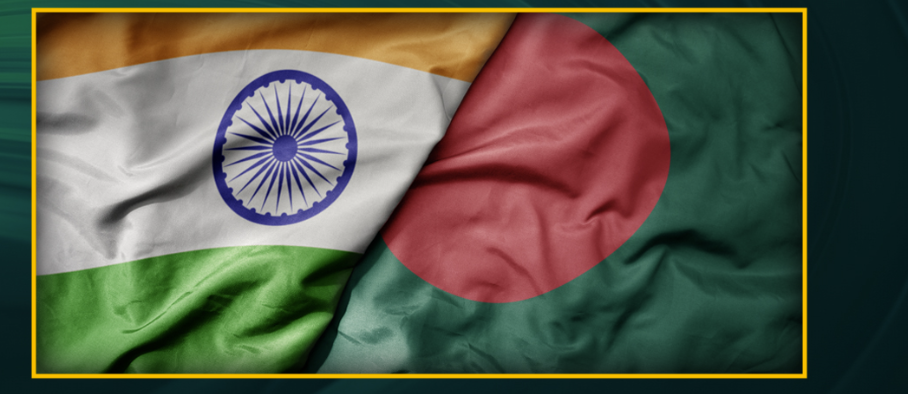
Key Highlights
Here are the main points from India-Bangladesh relations:
- The bilateral relationship between the two countries is strong. It grows from a shared past and culture, and India’s support during the 1971 Bangladesh Liberation War.
- Economic ties between them are growing fast. Bangladesh is now India’s biggest trade partner in South Asia, and bilateral trade keeps getting higher every year.
- Both countries put defence cooperation and good border management at the top of their list. They work together to keep the region safe and to handle any cross-border issues that come up.
- Better connectivity through rail, road, and waterways is another main goal. It helps grow trade and brings the people of both nations closer.
- But some challenges are still there. The Teesta River water-sharing issue is still an important matter in talks between the two countries.
- Regional cooperation is also made stronger as both take part together in forums like SAARC and BIMSTEC.
Table of Contents
Introduction
Welcome! Today, we talk about the close bond between India and Bangladesh. This bilateral relationship is very important in South Asia. It is based on the shared culture, language, and history of both countries. India helped Bangladesh during its independence. Now, they are in a “golden phase.”
India and Bangladesh work together in many areas. Their partnership covers economic cooperation, trade, and regional cooperation. Over the years, this partnership has only grown stronger. Are you ready to look at how this relationship has changed and grown with time?
Historical Foundations of India-Bangladesh Relations
The story of India-Bangladesh bilateral ties starts with both nations working together. India was important in helping Bangladesh become independent. India gave support during the 1971 Liberation War. This event helped set up a strong and lasting friendship between the two countries.
India was the first country to see Bangladesh as its own state. This helped both countries feel close from the start. People like Sheikh Mujibur Rahman were key during these years. They worked to start important treaties that helped both places grow together. Let’s look at how these early days shaped what would come after.
India’s Role in Bangladesh’s Liberation
India played a big role in the liberation war for Bangladesh. In 1971, India did more than give diplomats’ support. It gave strong defence cooperation, with its army and lots of help. India helped Bangladesh to win freedom from Pakistan. People from both countries came together, went through a lot, and built a strong bond between them.
The Indian government, with the prime minister in charge, gave shelter to about 10 million people who came to escape the conflict. This help was very important for the people of Bangladesh in a very hard time. The support showed that India was ready to stand by its neighbor and respect its independence.
This early partnership built strong trust and good feelings between the two sides. Leaders such as Sheikh Mujibur Rahman played a big part in this, and with India’s clear help, Bangladesh became its own country. Today, India marks this win as “Vijay Diwas.” This day is to remember the success that both worked for together.
Early Diplomatic Engagements After Independence
After Bangladesh became independent in 1971, the first meetings between the two countries were very friendly. The government of India stepped in fast, and it was the first to say hello officially to the new country. This early action helped build a good feeling for the future bilateral relationship between both.
Under prime minister Sheikh Mujibur Rahman, Bangladesh made its foreign policy work closely with India. The two countries tried to set up a way to be partners, and they put value in respect and things they both wanted. During this time, you would see many important visits and talks where they tried to make their bond stronger.
This good period did not last long. In 1975, Sheikh Mujibur Rahman was killed. After this, Bangladesh went through a lot of trouble in its leadership. The army took power in the country. Because of this, Bangladesh changed its foreign policy. New problems started. The link with India became more tense.
Foundational Treaties and Agreements
India and Bangladesh wanted to make their partnership strong, so they signed several important agreements when they started working together. The Indo-Bangladesh Treaty of Friendship, Cooperation, and Peace in 1972 was the most well-known of these. This agreement set up a clear way for the two countries to manage their bilateral relations. It included trade, help with each other’s safety, and other areas where they work together.
Another big step took more time, but it was important. The land boundary agreement, even though it was thought of before, was approved in 2015. This deal fixed old problems about the border areas. It helped thousands of people in those places by giving them clear citizenship and answers about where they live.
These main agreements were key to building trust. They helped bring both sides closer for deeper regional cooperation. Both groups showed they want to solve hard problems in a peaceful way. This made the bilateral relationship stronger for a long time.
Evolution of Bilateral Ties Over the Decades
The story of India-Bangladesh bilateral ties has had many changes. There were some tough times after 1975. Things started to get better when Sheikh Hasina became Prime Minister. After this, both countries looked more at working together.
Since then, the bilateral relationship between the two countries has grown well, especially in the last decade. There has been steady growth in bilateral trade. India has also given big lines of credit to help Bangladesh with development. Let’s look at some important milestones and events that have shaped this journey.
Political Milestones in India-Bangladesh Relations
The way India and Bangladesh work together in politics follows the plans set down by their leaders. Prime Minister Narendra Modi and Bangladesh Prime Minister Sheikh Hasina have played a big part in making their countries’ ties stronger. They talk often and meet several times a year. Because of this, many say their two countries are going through a “golden phase” in bilateral relations.
This good political environment has led to real action. Since 2010, India has given Bangladesh more than USD 7 billion in lines of credit. This money helps build roads, bridges, and other things. It also makes the ties between the two economies stronger. All of these things happen because leaders from both sides want to work together.
Several important political moments have made this partnership stronger.
- The Land Boundary Agreement from 2015 fixed a long-standing border problem.
- Sheikh Hasina led the signing of the Ganga Waters Treaty in 1996, solving a key water-sharing issue.
- Regular visits by top state officials keep good relations going and help different sectors work together.
Influence of Leadership Changes on Bilateral Dynamics
Leadership is key in growing the India-Bangladesh bilateral relationship. The people leading the government in New Delhi and Dhaka shape how both countries work together. A good personal bond between leaders, like the one between Prime Minister Narendra Modi and the Prime Minister of Bangladesh, Sheikh Hasina, can help speed up important plans.
On the other hand, when there is a change in government or the country is not stable, it can lead to problems. After 1975, Bangladesh had military rule. This made relations between the two countries difficult. Many people started to feel more negative toward India. This shows that a change in leadership can hurt their connection and slow progress when they try to work together.
In the end, steady and kind leadership is very important for a strong partnership. If leaders from both countries have the same idea for growth and safety in their region, the bilateral relationship gets better. When they agree, it is easier to solve problems fast. This also helps both sides feel trust and respect for each other.
Key Events Shaping the Relationship Post-1971
After 1971, there have been many important events that shaped the relationship between India and Bangladesh. One main event was the signing of the Ganga Waters Treaty in 1996. This deal happened when Sheikh Hasina was in her first term. It was a big step for both countries, as it solved long-standing water-sharing issues. This also played a role in bringing back trust in their bilateral ties.
The decision by an international tribunal in 2014 helped settle the maritime boundary issue. There was no conflict when the border in the Bay of Bengal was set. Both countries can now look for new ways to use the blue economy. This showed how the two nations can follow international law together.
In the past few years, the main goal has been on regional connectivity and economic cooperation. The start of several rail links, shared power projects, and many visits by top leaders have made the partnership stronger. These things have helped both sides move on from past problems. Now, they are working together for a better future with more growth and success.
Strategic Importance of Bangladesh for India
For India, Bangladesh is not just a neighbor. It is a key strategic partner in South Asia. The location of Bangladesh is important because it connects South Asia to Southeast Asia. For India’s ‘Act East’ policy, this makes Bangladesh very valuable. Strong bilateral relations with Bangladesh help India keep security and stability in the whole region.
When looking at internal security, working together on border management and stopping terrorism is very important. A friendly Bangladesh makes it easier to keep India’s long and open eastern border safe. Let’s look at the main points like security, foreign policy, and even what’s happening in geopolitics.
Regional Security Considerations
Regional security is very important in the partnership between India and Bangladesh. The two countries know how much border security matters. They have a long border which is over 4,000 kilometers. India and Bangladesh work together on joint border patrols. They are also putting up border fencing. This helps both countries handle the long border and stop illegal activities.
A big part of their defence cooperation is fighting terrorism. Since Sheikh Hasina took charge, Bangladesh has not allowed anti-India rebel groups to stay in its land. Because of this strong stand, India’s northeast area is now much safer.
India and Bangladesh work together often to strengthen their security ties. They hold several joint military exercises, like Exercise Sampriti for the Army and Exercise Bongo Sagar for the Navy. These drills help both countries’ forces practice working as a team. They also improve how their armies and navies connect and work together. By doing this, India and Bangladesh show they stand together against any security threats in the area.
Geopolitical Relevance in South Asia
Bangladesh is very important to India when it comes to the geopolitics of south asia. Both countries are close in the bay of bengal. So, what happens in Bangladesh can affect India. If Bangladesh is stable and the foreign policy works well with India, it is good for both. A friendly Bangladesh helps India feel safe in its neighborhood. It also helps make south asia stronger and connected. Bangladesh also acts as a barrier or buffer against outside powers.
India’s active role in groups like the Indian Ocean Rim Association (IORA) and BIMSTEC is important. The two countries often work together at these meetings. They both push for more regional cooperation, better economic growth, and stronger safety at sea. This teamwork helps India keep a strong place as a leader in the region.
The history with Pakistan plays a big role in how things work in this region. When India and Bangladesh work well together, it helps keep things more steady in south asia. A strong partnership between them is good for both and makes the whole area feel calmer. By working together and helping each other, India and Bangladesh make south asia more peaceful and better for everyone. This way, they can move forward without getting held back by old problems.
Bangladesh’s Role in India’s ‘Neighborhood First’ Policy
Bangladesh is the main part of India’s ‘Neighborhood First’ foreign policy. This plan aims to have good, friendly, and useful ties with the nearby countries. The bilateral relationship with Bangladesh is seen as one of the best examples of this policy working well. For India to do well in the area, it needs Dhaka’s help.
One important part of this policy is to improve regional connectivity. Bangladesh is in a key spot, and this makes it very important for regional connectivity.
- When Bangladesh lets transport move through to India’s northeast, it makes travel faster and cheaper. This helps businesses and people in that area grow.
- Working together like this shows how the ‘Neighborhood First’ plan brings real advantages for both countries.
Through this plan, India and Bangladesh also join hands on many platforms, like SAARC and BIMSTEC, for multilateral cooperation. This work makes their ties stronger. It helps bring more unity and stability in South Asia. This is also a main goal of India’s foreign policy.
Economic Cooperation and Bilateral Trade
The partnership between India and Bangladesh is strong when it comes to their economies. In the last decade, their bilateral trade has risen a lot. This has helped both of them to become important partners. The growth happens because of several areas of cooperation. It is also helped by major financial support.
India has given a lot of support to Bangladesh through lines of credit. This has helped Bangladesh be able to build important infrastructure. It has also helped grow its economy. With this help, both countries can now work together even more. Next, we will look at their trade, the deals they have made, and how people can invest there.
Growth of Cross-Border Trade Flows
Trade between India and Bangladesh is seeing strong growth. Bangladesh is now the biggest trade partner for India in South Asia. The bilateral trade between the two countries went up to USD 18 billion in the 2021-2022 year. This shows there is a good and growing link in their economies.
India is now the second-biggest trade partner for Bangladesh. Bangladeshi exports to India have gone up. Now, they are over USD 2 billion. This shows that the economic ties between the two countries are getting stronger and better for both sides. The state of West Bengal is very important for this trade because it serves as a main door for goods to move between the countries.
This growth is mostly because of things like lines of credit from India. These help to build new roads, buildings, and other projects needed for trade. It makes things like shipping and transport better. But both of these countries still have problems. There are rules other than taxes and slow customs steps. These issues can make it hard for goods to move fast and easy.
Major Trade Agreements and Frameworks
India and Bangladesh are working together to keep their trade strong and to make it better. The two countries are talking about several big agreements to help with this. These agreements are meant to lower barriers and to help both sides trade with each other more easily. The biggest update is the push for the Comprehensive Economic Partnership Agreement (CEPA). This will help support and grow bilateral trade between India and Bangladesh.
In 2022, the two countries did a joint study to see if CEPA would work. This deal is very important. Bangladesh will leave its Least Developed Country status in 2026. After that, it will not have free access to send goods to the Indian market. CEPA wants to set up a better, well-planned trade deal that will help both sides in the years to come.
Beyond their own deals, both countries work together in group efforts known as multilateral cooperation. A good example is the South Asian Free Trade Area (SAFTA). This setup is made to help trade grow in the region.
| Agreement/Framework | Status/Goal |
|---|---|
| Comprehensive Economic Partnership Agreement (CEPA) | Joint feasibility study completed; negotiations are expected to begin to expand economic ties. |
| South Asian Free Trade Area (SAFTA) | An existing multilateral framework to promote trade and economic cooperation among SAARC nations. |
Investment Initiatives and Opportunities
Investment is an important part of the India-Bangladesh economic cooperation. India gives strong support as a development partner. Since 2010, India has provided three lines of credit with a total of about USD 8 billion. The money is used for big infrastructure projects in Bangladesh.
These investment projects help to grow many areas. The work includes building roads, railways, shipping, and ports. These joint development projects make Bangladesh’s infrastructure better. They also open doors for Indian companies. This helps make regional connectivity stronger and is good for both economies.
There is a good chance for new investment as we look at what is next. Bangladesh’s growing economy will bring more chances, especially in energy, technology, and manufacturing. These areas could be good for Indian investors. Working in these fields may make the partnership stronger. It also has the chance to bring growth and development that helps everyone.
Connectivity and Infrastructure Initiatives
Boosting connectivity is a key part of the India-Bangladesh partnership. These two countries are working together on several infrastructure development projects. They want to improve regional connectivity. Together, they are fixing old rail links. Both nations are building new roads. They are also making waterway access better, for ports like Chattogram and Mongla.
This move to build a strong transport network is making things better for trade and for people from both countries to meet and work together. When places are easy to reach, there is more money to earn and people feel closer to each other. Here, we talk about some road, rail, and waterway projects that help the two nations work more as one.
Road, Rail, and Waterway Links
India and Bangladesh are working together to build strong road, rail, and waterway links. A main road initiative is running bus services on five routes. These routes connect cities like Kolkata, Agartala, and Guwahati to Dhaka and Khulna. This makes travel smooth between the countries.
Restoring the old rail links from before 1965 is now one of the big problems to solve in the railway sector. A new rail link, the Agartala-Akhaura line, has opened and it is the first direct train that goes from India’s northeastern region to Bangladesh. This rail link helps other train lines and passenger services that are already running.
Waterway connections are also an important part of their plan.
- The Protocol on Inland Water Transit and Trade (PIWTT) lets goods move between countries by using common rivers.
- India now has the right to use the Chattogram and Mongla ports to send cargo to its northeastern states. This makes transport faster and lowers the cost a lot.
Integrated Checkposts and Border Facilities
India and Bangladesh want to make trade and travel easier for everyone. They are working on upgrading the places at the border. A big step in this plan is building new Integrated Checkposts (ICPs). At these ICPs, you will find customs, immigration, and any other needed offices in one place. This system helps to make the process faster and cuts down on time wasted on waiting and paperwork.
Improving border facilities is important for good border management. A better setup at the border makes it easier to handle the large number of people and goods that cross. It also helps with border security. The upgrades help you watch and control the movement at the border well.
Border haats, which are local markets, help to improve things at the border in a new way. These markets let people trade easily and help to build a better bilateral relationship between the two countries. When both countries put money into better and newer border infrastructure, it makes the shared border a place where there is more growth and teamwork.
Impact of Connectivity on Economic Growth
Better regional connectivity helps India and Bangladesh grow their economies. When there are good road, rail, and waterway links, it gets much easier and cheaper to move goods. These infrastructure projects also help cut the time needed to transport things. This can make bilateral trade between the two countries work better and be more competitive.
For India, this better connection gives an important way to reach the northeast parts of the country. It helps skip the long “chicken’s neck” area. This makes it easier for trade and brings more businesses to the area that was left out before. For Bangladesh, it brings money through transit fees. The busy ports also help the country earn a big amount.
In the end, these projects help with better economic cooperation. They help join the regional market as one, which can bring in more investment. They also support small businesses on both sides of the border. This teamwork between better connections and growing the economy is good for everyone in the region.
Water Sharing and River Management
Water gives life and it is very important, but it can also be a problem in India-Bangladesh bilateral relations. Both countries have 54 rivers that flow between them. Good river management and fair pacts to share water are key. Some steps forward have happened, but issues, like the one about the Teesta river, still cause trouble.
Both countries set up a Joint Rivers Commission. This group tries to solve problems like flood control and how to share data. Still, it is not easy to come up with a permanent answer. Let’s look more closely at the big rivers they share, the deals they have in place, and the talks still going on to solve these water problems.
Overview of Major Shared Rivers
India and Bangladesh share many rivers. There are 54 rivers that cross the border between these two countries. These rivers are very important. They help with farming, transport, and support the lives of millions of people in both places. It is important for both India and Bangladesh to manage these rivers well. Good river management can help them get the most from the water and avoid fighting over it.
The most well-known shared rivers in the area are the Ganga and the Brahmaputra. Still, there are many other rivers that are important too. They help with the land and the money needs of the people. One or two rivers often come up when two sides talk with each other.
- The Teesta River is very important for moving water to farms in West Bengal and in the north part of Bangladesh.
- A deal to share water from the Kushiyara River was signed not long ago. This is a good move for both sides to work together.
There are many rivers that people use together. Because of this, it is not just possible to work together—at some point, it has to happen. If the countries do not manage the rivers well together, some problems will come up. There may be less water when it is dry, or there may be too much water and floods when it rains a lot. Both can cause trouble and lead to problems for people who live there.
Key Water Sharing Agreements
India and Bangladesh have made some important water deals over the years. These deals help shape their bilateral relations. The Ganga Waters Treaty is the most well-known one. It was signed in 1996. This deal lasts for 30 years and sets a clear way to share Ganga water at the Farakka Barrage. It helps both sides know what to expect with this water issue.
In 2022, the two countries made a deal to share the water from the Kushiyara River. This was the first time in many years that they agreed on something like this. It was important because it showed both sides wanted to solve their water problems by talking to each other.
A deal on the Teesta River water still has not been made. In 2011, the two countries almost reached an agreement. This deal would have given each country its own share of water from the Teesta river. But there were disagreements inside India at that time. Because of this, the plan did not move forward. Now, the Teesta river water issue is still a big problem in their bilateral ties.
Ongoing Challenges and Diplomatic Efforts
The Teesta River dispute is still the biggest problem in the water relations between India and Bangladesh. Bangladesh is the country that gets water after India, so it does not get enough water from the river during the dry season. This shortage is a big problem for farming there. Both countries have not been able to agree on a water-sharing treaty for the Teesta River. This issue keeps causing trouble in their normally good bilateral relations.
Talks to solve the issue are still happening. Both sides said they will begin talks with their technical teams. Bangladesh wants to start a project to fix up the river and get help from outside the country. India will send a team of experts to see how the river should be looked after and managed.
There are many issues besides the Teesta, in flood control and other water resource problems. These all need regular attention. The Joint Rivers Commission (JRC) is where both sides talk and work together on these issues. The JRC makes plans to warn people about floods and helps in managing water that they both share.
Security Collaboration and Border Management
Security is very important for India and Bangladesh. The two have a long border that is easy to cross. Because of that, good border management matters for keeping the countries safe. Both countries work together on many things. They fight against terrorism, cross-border crime, and illegal migration with a strong plan.
This partnership is about sharing ideas and working together to improve border security. A safe border helps build a strong and good relationship between people and places. The two sides are working together to stop terrorism. They also want to fight crime and manage problems with people moving across borders. This teamwork shows how border security can help everyone feel safer and do better.
Counter-Terrorism and Intelligence Cooperation
The relationship between India and Bangladesh is built on their shared fight against terrorism. The two countries have set up clear rules that do not allow extremism. They also work closely together through intelligence teams. By sharing up-to-date details, they help stop threats from terrorist groups.
This defence cooperation has led to real changes. Bangladesh has taken strong steps against groups that used its land to attack India before. Because of this action, there is more safety now in India’s northeastern states. This shows how their partnership works well.
The two countries work closely by taking part in joint military exercises. They also talk often about defence and security. These activities help both sides learn to trust each other. Their security agencies get to work well together. This helps them be ready to deal with new threats side by side.
Measures to Curb Cross-Border Crime
Reducing crime along the border is important for India and Bangladesh bilateral relations. The border is long. This makes the area open for smuggling, drug trafficking, and human trafficking. Both countries know this is a problem. They work together to stop these illegal activities. They have put several actions in place to fight against it.
Better border security is key to keeping the area safe. Both the Border Security Force (BSF) in India and the Border Guard Bangladesh (BGB) do joint patrols. Work is ongoing to finish border fencing, especially in sensitive parts. These steps help stop crime and make it harder for people to break the law.
Beyond physical security, both nations have set up systems so their police and other law enforcement groups can work together. This way of collaborating in border management lets them share information, and also lets them plan actions together. This teamwork is important because it helps them break up criminal groups that cross the border. All of these efforts help the region be stable.
Managing Migration and Refugee Issues
Dealing with movement of people is not easy for India and Bangladesh. The talk about illegal migration is always there in the bilateral relations. Many people move because they want better jobs as economic migrants. Some run away from trouble at home. This puts a lot of pressure on places in India that are close to the border. It is hard for resources and also for safety in those states.
Effective border management is key to solving this challenge. Both countries are working to make border controls better. Still, people keep crossing the borders, and this tests the relationship between them. Things got harder when the Rohingya refugee crisis happened. A lot of displaced people came into India from Bangladesh.
India has given help to Bangladesh with “Operation Insaniyat.” This aid is for the people in refugee camps. Both countries want to work together in the region. They are looking at forums like SAARC to find better ways to handle the situation of refugees and economic migrants. This kind of regional cooperation could help make a plan for the future.
Cultural and People-to-People Ties
Beyond politics and money matters, the India-Bangladesh relationship is mainly about their close cultural and people connections. Both countries share history, language, and love for each other’s art and culture. You see a special bond in how people from both places relate to each other.
Institutions like the Indira Gandhi Cultural Centre in Dhaka help bring people from both nations closer. They do this through things like study programs and travel. These links are important to build good ties and friendship between the people. Let us look at how these strong cultural connections work.
Linguistic and Cultural Affinity
The Bengali language is a big reason India and Bangladesh feel close. People in both places speak it. This helps them share books, songs, and movies with each other. Because they have the same language and culture, it is easy for them to connect. This makes their bilateral relations special.
Institutions are important in helping build these connections. The Indira Gandhi Cultural Centre in Dhaka brings people together and shares the culture of both countries. It gives artists and thinkers a place to work with each other and show what they do.
The cultural programming at the IGCC is open to people from all backgrounds and many different groups.
- The center gives training in many art forms. You can learn Kathak and Manipuri dance here. They also teach Hindustani classical music and yoga.
- The center often celebrates shared culture and festivals. This shows that the two countries have deep connections and common roots, even though they are different places.
Educational and Youth Exchanges
Connecting the young people in both countries is very important for keeping a strong bilateral relationship. India and Bangladesh work hard on education programs and ways to get the youth involved. These efforts help both sides understand each other better and build friendships that last a long time.
India gives a lot of scholarships to students from Bangladesh who want to study in Indian colleges and universities. One big example is the “Suborno Jayanti Scholarships.” This program lets 1,000 Bangladeshi students join Indian schools. The student exchange is a key part of the development partnership between India and Bangladesh.
India offers many training programmes for working people from Bangladesh, not just academic scholarships. Since 2019, India started training 1,800 officers from Bangladesh Civil Service at the National Centre for Good Governance. These programmes, along with youth exchanges, help build up skills. The training is good for development of people and it helps both countries come closer.
Tourism and Media Collaboration
Tourism helps the India-Bangladesh relationship grow. It does this by bringing people together and helping economic cooperation between the two countries. Every year, there are many tourists from Bangladesh who come to India. They come for medical care, fun trips, or to visit holy places. India has made its visa services better in Bangladesh. This helps serve the large number of visitors who want to come.
India will soon start an e-medical visa for citizens of Bangladesh. It will make things easier for those who need medical treatment in India. With this, travel for health reasons will be faster and simpler. This step shows how much both countries value helping people travel and connect with each other.
Media collaboration may not be as big, but it still helps shape how people feel and understand things. When the media is careful about reporting and works together, it can help make people feel good about bilateral relations. This can also be good for regional cooperation, and help fight against misinformation.
Major Challenges in India-Bangladesh Relations
India and Bangladesh have good and close bilateral relations. But, there are still some problems that both countries need to work on. These issues are not easy to solve. Both sides have to keep talking and try to find ways to agree. The biggest issues are the ones about border and water, like the Teesta River dispute. The Teesta River is one of the main things that makes it hard for both to come up with a plan that works for all.
Non-tariff barriers and trade gaps are problems in the area of business and money. To make things better between them, they will need to fix these issues. Solving these problems will help them use the full power of their work together. Let’s take a closer look at these big challenges.
Border Disputes and Management Issues
The 2015 Land Boundary Agreement helped to fix most old border problems. Still, the two countries face some border management issues. The India-Bangladesh land border is one of the longest borders in the world, and some parts still make things tense. One section, a 6.5-kilometer part of the Comilla–Tripura land border, has not been fully marked yet.
This gap in border lines makes it hard to handle border management. It can cause trouble between two countries. The area is huge and the border lets people move easily from one side to the other. It is tough for them to watch over this space. There are problems like people crossing the border illegally and smuggling that need both sides to watch carefully all the time.
The border management between both countries is working well, but some border problems still sometimes cause a strain in their bilateral relations. It is important for them to keep talking and work together in joint groups to sort out these issues. When they do this, the border can stay a place for both cooperation and peace, not a place for fights.
Water Resource Conflicts
Water problems are one of the most tricky and important matters in India-Bangladesh bilateral relations. These two countries share 54 rivers. There is a lot of competition for water, mainly when it is the dry season. This makes things tense. The biggest fight is about the Teesta River.
Bangladesh has not been able to sign a treaty about the Teesta’s water. This problem has been there for a long time. The country is lower down the river, and farmers there depend on the Teesta for water to grow crops. Without an agreement, the farmers face many problems and do not know what will happen next.
People have talked about the Farakka Barrage on the Ganga River, not just the Teesta. The treaty signed in 1996 fixed many of the problems. Still, working together for good river management is needed all the time. Water levels change often, and it is hard to share water fairly. Because of this, these talks keep coming up between countries.
Political and Economic Divergences
The leaders of both countries get along well right now. Still, the bilateral relationship faces some political issues. In Bangladesh, opposition parties can use anti-India feelings to gain support. This can create problems at home that may lead to changes in foreign policy.
On the economic front, there are still some problems even though trade is growing. Bangladesh is worried about its trade gap with India. There are also tough customs rules and lots of paperwork. These economic challenges can slow down how goods move. They can also stop trade from growing as much as it could.
It is important to deal with these political and economic differences for the partnership to stay strong. There needs to be open talk between the two sides. Both must be ready to face these tough topics. If these things are handled, the bilateral relationship can keep moving in a good direction. That way, it will not get off track because of problems inside the countries or because of issues with trade.
The Influence of External Powers
The India-Bangladesh relationship is shaped by many things happening around it. Big countries, especially China, play an important part in the region. These outside forces make the partnership between India and Bangladesh more complex.
China is becoming more involved in South Asia. Pakistan has a long history with India. Because of this, India needs to be smart about how it deals with other countries. India wants to keep its influence in South Asia. Now, let’s talk about how China and Pakistan affect how New Delhi works with Dhaka. These two countries play a big part in shaping the ties between them.
China’s Role and Regional Interests
China is now an important partner for Bangladesh. This changes how things work between countries in that area. Bangladesh works closely with China’s Belt and Road Initiative. Because of this road initiative, Bangladesh has got a lot of money for new roads, bridges, and other big projects. The more money and support Bangladesh gets, the more China can guide what happens there.
China is now the largest trading partner for Bangladesh. It is also a big source of its military gear, such as submarines and fighter jets. These close business and defense connections make problems for India. India worries about China being more active nearby. Chinese money is going into big projects like ports. This could lead to important changes for a long time.
For India, it is important to counter this influence. New Delhi wants people to see it as a partner they can trust. India offers development help, shares technology, and provides money to build ties. The way India and China both try to have influence in Bangladesh shapes how countries in the area work together and make plans for the future.
Pakistan’s Impact on Strategic Dynamics
The 1971 Liberation War is important for south asia. During this war, Bangladesh became independent from Pakistan. India helped Bangladesh during this time. Because of this, India and Bangladesh have a special bond. This shared history makes their relationship different from how each country connects with Pakistan.
A good and friendly India-Bangladesh partnership helps keep the region steady. It makes up for some old problems. When things between India and Pakistan do not go well, working together with Bangladesh is even more important for India. This helps India’s foreign policy and standing in the region.
But sometimes, changes in the leaders of Bangladesh can change how it acts with Pakistan. If the people in charge in Dhaka are not as close to India, they might look to make better connections with other countries near them, like Pakistan. This next step can change how things are set up in the bay of bengal and in the whole South Asian area.
Broader Regional and Global Factors
The India-Bangladesh relationship is shaped by both regional and global trends. These two countries are active in many groups. They are members of the South Asian Association for Regional Cooperation (SAARC), BIMSTEC, and the Commonwealth. The way they work together on these multilateral platforms helps build better bilateral ties and grow their regional cooperation. Their teamwork on these forums also shows how they handle common issues in the region.
The way these groups work affects how India and Bangladesh take part in regional cooperation. For example, if SAARC is not moving ahead because other members have problems, India and Bangladesh will often turn to BIMSTEC. They use BIMSTEC to keep working on their plans for better connectivity and growing the economy together.
Global geopolitics affects this area, too. Major powers want more influence in the Indo-Pacific region. Because of this, foreign policy decisions made by both India and Bangladesh are important. The way that they handle these bigger regional issues, and still keep a good relationship with each other, helps the region be stable and do well.
Future Prospects and Emerging Trends
The future for bangladesh relations looks good. There are many signs that India and Bangladesh will work even closer together. The countries are starting to work on new areas of cooperation. Big joint development plans are coming up. This will go beyond the things they have done before.
This way of thinking is meant to help everyone have a better and more peaceful future together. The world is moving forward in energy, technology, and space exploration. There are new things coming very soon. Let’s look at how people want to work together in the future and what they plan to do to make this partnership strong.
Vision for Joint Development Initiatives
The future of India-Bangladesh bilateral relations will be about working together on big development plans. Both countries want to grow their partnership. They plan to move past basic infrastructure projects and do more new things. This will mean working together on digital matters, areas in the sea, and things about space.
A big focus of this idea is to build stronger energy cooperation in South Asia. The Maitree Super Thermal Power Plant and the India-Bangladesh Friendship Pipeline show the start of this work. They aim to help the region use energy from itself. There is also an effort to use clean and green ways to produce energy, like the Rooppur project with nuclear power.
These plans help bring India and Bangladesh closer in working together. They do this by teaming up on big roads, bridges, and technology projects. The goal is to set an example of strong regional cooperation. This way, both countries can grow and gain from each other over a long time.
New Areas of Potential Cooperation
India and Bangladesh want to work together in more ways as their partnership grows. Both countries look for new areas of cooperation to improve their relationship. They now plan to work together in high-tech fields that shape the future. This will include working together in space, artificial intelligence, and in modern farming.
The defence sector is showing a lot of growth. Both countries already do joint exercises. Now, India may help make Bangladesh’s armed forces more modern. This plan can include making defence equipment and providing new tools. All these steps can grow the trust between the two countries.
Several new areas of cooperation are starting to get more attention now.
- Green Partnership: The two nations have agreed on a “Green Partnership.” They will work together on development that is better for our world. Their goal is to protect the environment as they move forward.
- Blue Economy: They both want to team up in the Blue Economy. Their plan is to use resources from the Bay of Bengal in a way that does not harm nature and lets us keep getting good things from it for many years.
Strategies for Sustained Peace and Partnership
India and Bangladesh are working together to build a future of peace and partnership that lasts. They use a few key ways to do this. The top one is to keep talking often and openly at every level. Leaders from both countries meet and talk on a regular basis. This helps them find answers to new problems before things get worse. It also keeps the teamwork strong and moving forward.
Another key approach is to focus on finishing work together on time. Doing what you promise, like working on infrastructure projects or trade deals, helps build trust. It shows the real value of the partnership. This matters most when both countries try to limit the impact of other regional powers.
In the end, the goal is to build a relationship between India and Bangladesh that is strong enough to last through changes in politics and any outside pressure. They are working together in new areas. Both countries are also trying to settle old problems. People in both places are being encouraged to connect with each other more. India and Bangladesh are laying down the groundwork for a strong partnership that will last in the 21st century.
Conclusion
India and Bangladesh share a history that brings them close together. The two countries continue to work on their relationship. They focus on several areas of cooperation, like defence and building better economic ties. Both work hard to improve things like infrastructure. For example, the Maitree Super Thermal Power Plant and new rail links are important steps forward. These projects show there is a good future for both. As India and Bangladesh deal with their common problems in South Asia, building stronger bilateral ties and working together will help keep the region steady and make life better for everyone.
Frequently Asked Questions
How does India benefit from its relationship with Bangladesh?
India gets many good things from working with Bangladesh. The two countries trade more with each other now. They also work together to keep the area safe. People from both places share much in common, and that brings them closer.
Both countries help each other in energy and building new roads and bridges. This helps business and jobs grow. A peaceful Bangladesh helps India keep things calm in the region. It also helps both countries deal with problems like people moving across borders and fighting terrorism.
What are the main issues concerning water sharing between India and Bangladesh?
The main problems with water sharing between India and Bangladesh are about river agreements, how to split water from rivers the two countries share like the Ganges and Brahmaputra, and what climate change does to the amount of water there is. These things make stress go up between the two nations.
How do political changes in each country influence the bilateral relationship?
Political changes in India and Bangladesh shape their bilateral relationship. A new government, changes to plans, or different ways of handling security can help the two countries work together. Sometimes, it can also make things tense between them. It’s important to know how these things work. This helps you get ready for what these countries might do in the future.




