
Key Highlights
Here are the main things to know about Special Intensive Revision (SIR):
- SIR stands for Special Intensive Revision. The Election Commission of India runs this process.
- It is a deep check done from house to house to update the country’s electoral rolls.
- The goal is to make sure that the voter list is correct. It must have all the people who can vote, so the elections stay fair.
- This revision of electoral rolls adds new voters who turned old enough. It also removes names that are not supposed to be on the list.
- Special intensive revision is more complete than the regular yearly updates. It often takes place before assembly elections.
- The SIR process helps to show the real number of voters in India right now.
Table of Contents
Introduction
Have you ever heard someone talk about “SIR” during elections and thought about what it means? SIR stands for Special Intensive Revision. It is not the name of a person. The Election Commission of India, or ECI, sets up this process in the whole country.
The big goal of this intensive revision is to clean up and update the voter list. The idea is to make sure that every eligible citizen gets on the voter list. This also helps take out entries that should not be there. It is almost like the election commission gives the electoral rolls in India a deep clean. The ECI wants to have the right voter list ready for election day.
Understanding the Full Form of SIR in Indian Elections
In India, SIR means Special Intensive Revision. The election commission puts this in place. It is different from a normal revision that may happen each year. A special intensive revision is a big check for the electoral rolls in India.
This SIR process is created by the Election Commission of India. The aim is to confirm that the voter list is right and up to date. The verification helps make the electoral rolls correct for every election in India.
This action usually happens when the ECI sees there are a lot of mistakes in the current voter lists. The problems in the lists are so big that small updates can’t fix them. A revision is important to keep the electoral system fair and strong. It helps make sure our democratic process stays right. In this text, we will talk about what this revision means for voters and for the whole electoral system.
Special Intensive Revision: Definition and Significance
Special Intensive Revision (SIR) is a careful check of the voter list. It is not the same as the usual updates. In this verification process, Booth Level Officers (BLOs) go to each house. They collect and check your details. The goal of this special intensive revision is to keep the electoral rolls correct, new, and without errors. This helps people feel sure that their names are on the voter list and entries are right. The work done in this revision makes the voter list better and makes the whole electoral process more trustable.
The intensive revision and the verification process by booth level officers help to keep our electoral rolls strong. This means the electoral process can go well, and people feel good about voting.
This exercise is important for everyone. As time goes on, the voter lists can be wrong. People move to new places, some pass away, and some new people come into the country and have the right to vote. SIR works hard to fix these things so the electoral list is right. This helps take out duplicate or fake voters. It also makes sure that all people who can vote get the chance to use it.
This process is very important before big polls, like assembly elections. It helps people feel sure that voting is fair. The Special Intensive Revision looks to find and fix any mistakes in the voter list. With this revision, it makes sure that every person gets only one vote. This helps the process stay open and clear for all, and makes the election more trustworthy.
How “SIR” Differs from Routine Electoral Revisions
You may know that the voter list gets updated every year. Most of these updates are called summary revision. A summary revision is something that happens every year. But a special intensive revision is different.
A special intensive revision is a bigger and more complete check of the voter list. This special intensive revision does not take place every year. The ECI will ask for this revision if there are big errors in the electoral rolls. A normal summary revision cannot fix these big problems. A special intensive revision helps make sure the voter list is right and up-to-date. It makes the electoral rolls better for everyone.
The big difference is the way the revision is done and how much of the voter list gets checked. A summary revision means voters ask for changes or additions if they need to. But the SIR process works in another way. Here, officials go to every house. They check each voter one by one, like they are making the voter list again from pays start. Because of this, the sir process is more detailed than the summary revision.
Here’s how SIR is not the same as routine roll updates:
- Method: In SIR, people go from one house to the next to count each voter. In summary revision, the process is to handle claims and objections.
- Scope: SIR means a full and new remake of the electoral rolls. It is not just a simple or small revision.
- Trigger: SIR will begin when there are big and old errors in the electoral rolls that need to be fixed. The summary revision happens every year.
- Intensity: The verification in SIR is detailed and close. People check every single part of each voter’s record in the electoral rolls.
Why Special Intensive Revision Is Essential for Voter Lists
A good voter list helps make a strong democracy. This is why it matters to have special intensive revision from time to time. As years go by, there are lots of changes. Many people might leave cities, while others move in. Because of this, the electoral rolls might not be right. There may be names of people who moved away or passed on that are still on the voter list. At the same time, new voters’ names might not be there.
That is why we need intensive revision and must check the electoral rolls often. When the voter list is right, people feel trust in the electoral process. A clean list also helps us all be a part of it.
The SIR process is a good way for the ECI to fix these problems fast. This kind of intensive revision keeps the lists fresh. It helps to show the real number of people in that area. This is important for fair and clear elections. Now, let’s look at why these steps help to keep things right and what the main goals of this task are.
Ensuring Accuracy and Minimizing Fraud in Electoral Rolls
One main goal of a Special Intensive Revision is to check if the electoral rolls are right. This can help stop people from cheating. Sometimes, old lists can cause problems. There can be times when people use someone else’s name to vote. Fake votes may also happen. The house-to-house verification process is important for this. It helps to find and fix all these issues fast. This way, the verification process for the electoral rolls gets better, and the revision is strong and useful for all.
During the verification process, Booth Level Officers compare voter details with the current records. They also go to people’s homes to see if the people really live at that address. This helps the officers find out if there are any names on the electoral rolls that should not be there. Cleaning up the electoral rolls helps the ECI to keep the elections fair. It makes sure that the results are honest and show what the people want.
The top benefits include being right and stopping people from cheating:
- Removing Duplicate Names: The system checks for the same person in the list more than once. It takes out these duplicate names, so one person will not be registered in more than one spot.
- Deleting Ineligible Voters: The system takes out names of people who have died. It also removes those who do not live in that area now.
- Preventing Impersonation: A list that is always kept up to date with the right photos helps stop people from voting as someone else.
Key Objectives of Conducting SIR Across India
The Election Commission of India has some clear things it wants when it does a special intensive revision. The main goal is to make the electoral roll better and something people can trust. This helps make elections in India work well. The big aim is to have an electoral roll with no mistakes. It should give a good base for assembly elections and other elections in the country. Doing this intensive revision will help make sure all votes count, and our democracy stays strong.
The main goal is to help every eligible citizen sign up to vote. The main groups be first-time voters, people who move, and those who often feel left out. SIR also works hard to keep the voter list right. This means they take out entries that should not be there, like duplicate names and the names of people who are not living.
In the end, the reason for these democratic reforms is to help people trust the electoral system. When people know that the voter lists are correct and fair, they feel good about the results of an election. This trust matters a lot for a democratic society to work well.
The Process of Special Intensive Revision (SIR)
The Special Intensive Revision, also called the SIR process, is a careful and step-by-step way to check if things are right. It begins when the Election Commission of India sends out a notification. A big team then goes out in the field next. A key part of the SIR process is visiting each house. While there, officials talk with people to confirm all voter details. This makes things more correct during the intensive revision and enumeration in India.
This step-by-step approach is a good way to keep the voter list up to date and correct. The verification process looks closely at each detail. It uses forms with some information already filled in. It checks documents and updates the electoral rolls with digital changes. Here is a closer look at the steps and other things that are part of this process.
Step-by-Step Breakdown of SIR Activities
The Special Intensive Revision (SIR) is made so the revision of electoral rolls can be easy and smooth. There is a set timeline for everyone to follow. The ECI gives a plan for all, showing what booth level officers and people should do. The process starts when officers give out forms. It then moves step-by-step until the voter list comes out. This way, the special intensive revision of electoral rolls is well-organized and simple for everyone.
Everything starts with planning and training. After this, BLOs visit homes for the enumeration. They give out pre-filled enumeration forms. Voters need to check and finish these forms. There is some time for people to file any claims or objections. After that, the final and updated electoral roll comes out. The process will only work well if all voters take part in it.
Here is a typical timeline for SIR activities:
| Activity | Expected Schedule |
|---|---|
| Printing of Forms & Training | October 28th to November 3rd, 2025 |
| Door-to-Door Enumeration | November 4th to December 11th, 2025 |
| Publication of Draft Electoral Roll | December 9th, 2025 |
| Claims and Objections Period | December 9th, 2025 to January 8th, 2026 |
| Hearing and Verification | December 9th, 2025 to January 31st, 2026 |
| Final Electoral Roll Publication | February 7th, 2026 |
Common Documents and Information Collected During SIR
When a Booth Level Officer (BLO) visits your home for enumeration, the officer will bring an enumeration form. This form has your voter details, such as your name, address, and your Electors Photo Identity Card (EPIC) number. You need to read these details and see if everything is right on the draft roll. If there are any new changes or something is not correct, let the BLO know so he can update the draft roll. This helps to make sure your enumeration form, EPIC, and other voter details are correct.
You need to add your mobile number when you fill in the form. You can also add your Aadhaar number, but it’s not needed. Adding it can help match your details and keep you from being listed twice. You must enter the name of your parents or your spouse.
The 2025 SIR asks for something new called “legacy linkage.” This means you might need to link your name or a family member’s name to the older voter list. The list could be from the year 2002 to 2004. This helps make sure all your details in the voter list are right and up to date.
For verification, it is good to have some documents with you.
- Voter ID card (EPIC)
- Aadhaar card
- Passport
- Birth certificate
- Any government-issued identity card
Who Organizes & Oversees the SIR Initiative?
The Special Intensive Revision is a big job. It must have a clear plan and structure to help the officials manage all parts of it. The Election Commission of India, or ECI, is the one who leads this work and looks after the process. The ECI has the right to run elections and update the electoral rolls in India. Because of this, every step in the intensive revision takes place the right way, and the ECI checks that all is done well.
At the state level, the Chief Electoral Officer, or CEO, makes sure that rules from the ECI are followed. A lot of the actual work, though, is done by people at the local level. The Booth Level Officers, or BLOs, handle most of this. They are the public face in this role. Now, let’s talk about what each group does during the SIR process. The actions of booth level officers, the part played by the chief electoral officer, and how all these electoral officials work together are very important in the system.
Role of the Election Commission of India
The Election Commission of India (ECI) looks after the Special Intensive Revision in the country. This group works based on Article 324 of the Constitution and the Representation of the People Act, 1951. It can lead the process, guide, and watch how the electoral rolls are made and changed. Because of this, the ECI can start an intensive revision when it thinks the electoral rolls are not correct across India.
The ECI is the one to decide when and where an SIR should happen, mostly before big state elections. It makes the plan, explains how things will be done, and sends out information about it. For example, the ECI began the 2025 SIR in several states. This new revision will help fix problems with old “legacy data” that have stayed since the last big intensive revision in 2002-2004.
While SIR does not happen every year like the summary revision, the ECI has done this type of revision 13 times since 1952. The commission handles the full process. It gives training to the officials and checks any legal problems that may happen. The CEO in every state also has to make sure that the drive is done well.
Participation of State Electoral Officers and Local Officials
The ECI gives the main direction for the special intensive revision. But all the real work is done by state and local workers. The Chief Electoral Officer, also called the CEO, is the key person in every state. The CEO looks after the plan made for the intensive revision. The CEO makes sure that the rules from the ECI are followed. The CEO also guides all the staff and checks that everything works well in each district. This is how the intensive revision and other revision work for the electoral list takes place in a good way.
Below the CEO, there are Electoral Registration Officers (EROs) and Booth Level Officers (BLOs). The EROs work on the draft and also on the final electoral rolls for every area. The Booth Level Officers, or BLOs, work in the field. They go to each home and talk to people. They check all the details and take forms from the people there. This is how the electoral rolls are made.
The main jobs of local officials include:
- Chief Electoral Officer (CEO): The Chief Electoral Officer is in charge of the whole SIR process in the state. The CEO looks after how things go in every part of an electoral event.
- Electoral Registration Officer (ERO): The Electoral Registration Officer checks all the claims and objections. The ERO gets the main electoral rolls ready to use.
- Booth Level Officers (BLOs): Booth Level Officers go to every house as part of the enumeration job. The BLOs hand out forms, collect them, and help the people vote.
What Changes Occur in Electoral Rolls During SIR?
During a Special Intensive Revision, people check the electoral rolls. They do this to make sure every detail is up to date and right. It is not just about fixing any mistakes. This intensive revision is a large job. They add new names, remove names that should not be there, and change details when needed. The goal of the revision of electoral rolls is to help the voter list show the true number of people who can vote in each place.
These changes to the voter list are needed. They help get rid of old information and add all the right people who should be on it. This makes the voter list more clear and correct. That is very important for a fair election. Now, let’s see what these updates do, how adding people helps, and what it means when names are taken off.
Updates, Additions, and Deletions Explained
There are three big types of changes that happen during SIR. These are additions, deletions, and updates. Each is key when it comes to keeping the electoral rolls correct. If you know about these changes, you will know what to expect. You can also learn how to check that your details are right on the draft electoral roll.
“Additions” mean putting in names of people who can now vote. A lot of these are people who have just turned 18 and will get to vote for the first time.
“Deletions” are when you take away names from the list. This happens when someone has died, moved away to live somewhere else for good, or when duplicate names show up in the list by mistake. Taking out these extra entries keeps the list clear of any duplicate names.
“Updates” are for fixing entries that are already on the list. This might be to fix the spelling of a name, change the address, or add a new photo.
Here’s a simple breakdown:
- Add: Sign up new electors who are now old enough that they can vote for the first time.
- Delete: Take the names of any electors off the list if they have died, moved to another place, or if their name is on the list more than one time as a duplicate.
- Update: Fix details like name, address, or photo so all the information is correct.
- Verify: Check the details for every elector on the list now. This is to be sure all the information is right.
Timeline and Notification for SIR Activities
The Election Commission of India sends out a formal notification when it begins special intensive revision activities. This notification lets people know about the qualifying date for eligibility. For example, it will say that all citizens in India who turn 18 by a set date can take part in the revision. The notification also gives a clear schedule, from when enumeration starts until the final roll is published. By making this public, the election commission ensures that everyone knows the timeline for the intensive revision.
The SIR timeline takes a few months. First, people go door-to-door to count everyone. After this, they put out a draft roll. Once the draft roll is out, people get time to say what they want to add or what they feel is wrong in the entries. When these claims are checked, the final and updated electoral list is put out.
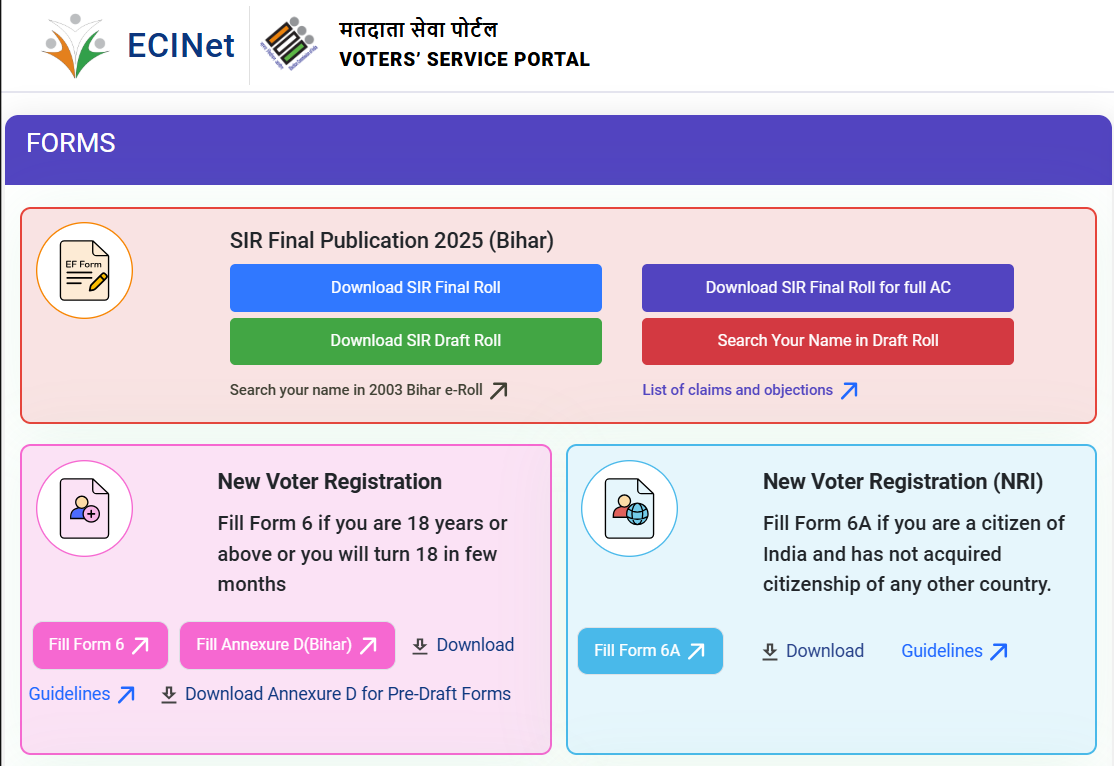
To find the official details about SIR schedules, you need to go to the ECI’s official website (voters.eci.gov.in) and also visit the Chief Electoral Officer (CEO) website for your state. These websites have the latest updates and the schedules for SIR tasks. You can also use the links there to see your name in the draft roll. If you want more news about electoral updates, these sites are the best places to get what you need.
Conclusion
To sum up, it is good to know what SIR stands for—Special Intensive Revision. The SIR process helps the electoral rolls in India stay right and up to date. This is important to stop cheating during elections. When people take part in the special intensive revision, they help to make democracy strong and fair for all groups. If you keep up with the SIR process, you can check your name in the electoral rolls and get to vote. If you want to learn more about special intensive revision or how it works for you, read the FAQs section. Let us all keep learning and work together for a better voting system in India with good electoral rolls and special intensive revision.
Frequently Asked Questions
Is SIR Different from the Regular Summary Revision?
Yes, the SIR process is different from a normal summary revision. A summary revision is done every year to update the electoral rolls. But the SIR process is an intensive revision that has more steps. It includes door-to-door verification and builds the electoral list again from the start. This is not a regular update and only happens when the ECI thinks it is needed.
How Can I Verify If My Name Is Included After SIR?
After the enumeration part of the SIR process is done, you will be able to find your name in the draft electoral rolls. The ECI shares this list. You can see the electoral rolls on your state’s Chief Electoral Officer website, or find them at your polling station. You can do the final verification by looking at the final voter list on the ECI portal.
What Steps Should I Take If My Name Is Missing Following SIR?
If your name is not on the draft voter list after the SIR process, you can still fill out Form 6. You need to do this when there is time for claims and objections. You can give the form to the Electoral Registration Officer near you. You can also send it online using the ECI voter services portal. Your name will be added to the voter list after the verification process.
Explain me like 5, what is this whole SIR thing going on?
Think of the SIR process like when a teacher makes a new class list. The teacher meets everyone to check how to spell each name. The teacher also makes sure no one is left out. Special Intensive Revision works the same way, but this time it is for the voter’s list in the whole country. This process happens to make sure the electoral rolls are correct and ready for voting day. The intensive revision checks if the voter list is right, and keeps the electoral details up to date for those who will vote.
What information does the SIR form ask for?
The SIR form is also known as the enumeration form. This form helps you check your current voter details like your name and EPIC number. You will need to share updated details such as your date of birth, place of birth, your address now, and your mobile number. The main aim of the enumeration form is to make sure all your voter details are right. This includes your EPIC number and mobile number.
What is SIR Electoral Roll in West Bengal?
The SIR electoral roll in West Bengal is part of a special intensive revision by the ECI. This process looks at the voter list in the state with care and uses door-to-door verification. The main aim is to make a good draft electoral roll for the assembly elections. People in Bengal should know that this intensive revision helps get the voter list right and ready to use.
How to check if your BLO has uploaded your enumeration form online?
You can check your status online when you log in to the ECI’s official voter service portal. Once your Booth Level Officer (BLO) looks at your enumeration form, you will see the new status of your details. The portal will update your information in the electoral rolls. This is the best way for you to know if your information is on the voter list.




