
Key Highlights
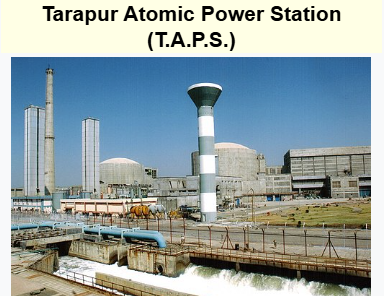
- The Tarapur Atomic Power Station (TAPS) is the first commercial nuclear power station in India.
- This power plant was built with help from other countries. It was a big step for India in the use of atomic energy.
- The station is in Maharashtra. It was the start of making electricity from nuclear power in the country.
- The first units used Boiling Water Reactors, and that was the first time Asia saw this. It showed a new way of using technology.
- Today, the Tarapur power plant is the fourth largest nuclear facility in India. It still gives a lot of power to the country’s grid.
Table of Contents
Introduction
Have you ever thought about how India started working with atomic energy? The story of nuclear power in India is very interesting. It began with one important project. This was the start of India’s move towards clean energy. The country made its first atomic power station at that time. The Tarapur Atomic Power Station was more than just a nuclear power plant. It showed India’s drive to do big things in science. It was also a key step towards making the country free in getting power for everyone.
The Genesis of Nuclear Power in India
The idea of using atomic energy for peaceful goals, such as making electricity, was a big part of India’s dream for the future. The leaders of the country saw that energy needs were going up and wanted to find new and strong sources. This is why India started a planned nuclear power programme.
This new program wanted to use the power inside the atom. The goal was to bring light to every home and help factories all over the country work better. The first big move for this was to build a station for atomic power. This would be a special place that makes nuclear power real and possible for everyone. The idea was about turning the dream of having an atomic power station into something we can see and use.
Historical Context Behind India’s Nuclear Energy Program
To see how nuclear power started in India, you need to look at the goals made by the planners of the country soon after freedom. After India got its independence, the Government of India wanted to grow in science and technology. This was to help the country be strong and stand on its own. Using atomic energy for development in a peaceful way was an important idea at that time.
The creation of the Atomic Energy Commission was an important step. The job of this group was to watch over all research and development linked to nuclear science. It set the base for a big plan to use nuclear power to help the country move forward.
The Tarapur Atomic Power Station is very important when talking about nuclear power in India. It was the first time that the country showed it could use atomic power in a big way. As the first commercial nuclear power station, it showed that India can build and run nuclear energy plants. This set the way for other nuclear power station projects that came after.
Government and Scientific Leadership in Early Developments
India’s early work in nuclear power grew because the government backed it and there were leaders who looked ahead. A new group called the Atomic Energy Commission of India was put in charge of the nuclear power project. This group took care of each step—from the start of the idea to the final work. The atomic energy commission always played a key role in pushing atomic energy in the country.
Dr. Homi J. Bhabha was a key person in this story. He was the first chairman of the Atomic Energy Commission. His strong leadership helped shape the atomic energy program in the country. The Bhabha Atomic Research Centre (BARC) was set up to bring all the research together. It became the main place for technical knowledge and skill needed for this big goal.
In the end, India’s first nuclear plant came to be through people working together. The Atomic Energy Commission and the Department of Atomic Energy led this project. The prime minister of India gave direct guidance for the work. Scientists such as Dr. Bhabha shared the right knowledge and showed the way forward for atomic energy.
Tarapur Atomic Power Station: A Landmark Achievement
The building of the Tarapur Atomic Power Station was a big moment for India. This power plant was the first nuclear power station in the country. It showed a huge move ahead in science and engineering. The atomic power plant is in Maharashtra. This nuclear power station helped India be known around the world for using nuclear energy in a peaceful way.
This nuclear power plant was not only there to give us electricity. It was also made to help build a better future. You will see that the place where it is built and the teams from other countries that worked on it are very important. These things are just as key as the machines and steps used for nuclear power.
Location and Strategic Importance
India’s first atomic power station is in Tarapur, in the Palghar district of Maharashtra. This spot is near the coast. It gives easy access to the Arabian Sea. The sea water is used to cool the reactors. This was an important choice to keep the atomic power station running well and to make sure it is safe.
The Tarapur power station is run by the Nuclear Power Corporation of India Ltd. This plant gives electricity to many, like the Maharashtra State Electricity Distribution Company. If you want to get there, the nearest railway station is Boisar. It is close, so you can reach the Tarapur power station and the homes nearby in a short drive.
To help the people who work at the plant, there is a special housing area called T.A.P.S. colony. This place has schools and places for fun. The design of this township shows that the site is an important place for nuclear skills for many years to come.
Inauguration and International Collaboration
The opening of the Tarapur Atomic Power Station was a big step for atomic power in India. It happened because of teamwork between countries. The project started after the 1963 123 Agreement. This was a civil nuclear cooperation deal made by India, the United States, and the International Atomic Energy Agency (IAEA). Their partnership made sure India could get the tools and know-how needed for atomic energy and to build this atomic power station.
The work on the project was done by American companies General Electric (GE) and Bechtel. They used their skills for this work. The first two reactor units started working for business on October 28, 1969. This was an important day in India’s history. It showed the end of many years of planning and working with other countries.
This nuclear cooperation agreement was a big step for India. It let India start to use nuclear energy for business. The deal showed that both sides wanted to use atomic power in a safe way. The IAEA would watch over everything to make sure it was only used for peace.
Key Features and Technology at Tarapur
The technology at Tarapur was very new at the time. In the beginning, the power station brought a new kind of nuclear power technology to Asia. The plant started to use Boiling Water Reactors, which are a type of light water reactors. This made it different from most nuclear reactors that were built later in India.
Over the years, the plant got new technology because of the addition of different kinds of reactors. This mix of systems, from the first water reactors to better and newer ones, shows how India has grown in nuclear power. Let’s take a closer look at these reactors and what they can do.
Reactor Types, Nuclear Fuel, and Operational Capacity
The Tarapur plant has four main nuclear reactor units. In the first phase, there were two Boiling Water Reactors made by General Electric. These reactors were the first ones of this type in Asia. After India’s first nuclear test in 1974, the country could not get enriched uranium fuel. Because of this, India started getting this fuel from France, China, and Russia.
The Tarapur plant is a big name when you talk about water reactors, General Electric, and a nuclear reactor.
Later, the plant got bigger with two local Pressurised Heavy Water Reactors. These heavy water reactors were made by Indian companies. They helped raise the installed capacity of the plant by a lot. This step showed a move to self-reliance in water reactor technology.
Today, the total nameplate capacity of the station is 1400 MW. This means it is a big part of the power grid. The use of different reactor types shows the long history of the plant. It also shows how India’s nuclear program has changed over time.
| Unit Number | Reactor Type | Model | Capacity (MW) | Status |
|---|---|---|---|---|
| 1 | BWR | BWR-1 | 160 | Suspended |
| 2 | BWR | BWR-1 | 160 | Suspended |
| 3 | PHWR | IPHWR-540 | 540 | Operational |
| 4 | PHWR | IPHWR-540 | 540 | Operational |
Innovations Introduced at Tarapur
Tarapur was more than just building a power plant. It was the start of a whole new nuclear power industry in India. The main new thing was that it became the first place in the country to make nuclear power for businesses. This project was like a live classroom. It helped Indian scientists and engineers get some good hands-on practice in nuclear power generation.
The important things learned at this nuclear power station made a big difference. The team had to manage the hard parts of Boiling Water Reactors. They had to solve problems when things went wrong. They also had to keep safety rules in mind at all times. These lessons were very useful. They helped make the basic rules used now in every other nuclear power station in India.
These steps improved how people handle nuclear power and water reactors today.
Tarapur played an important role in the energy program. It showed that nuclear power can give a steady and strong supply of electricity in a country that is still growing. This helped set up the systems and rules needed for nuclear power in India. After that, India could make the nuclear power program bigger in the years that came.
Contributions to India’s Energy Sector
The Tarapur nuclear power station has played a big role in the energy sector of India for more than fifty years. It has kept giving the country a steady supply of power. This has helped meet the rising need for electricity in one of the most busy and growing parts of the country. The station shows that nuclear power can be a good and strong choice besides energy from oil and coal. It points to how nuclear energy can be clean and powerful for power generation.
The plant does more than just make watts of power. It plays a big part in India’s plan to use different types of energy. It also helps make sure the country has a stable energy supply. In the next parts, you will see how the plant helps the national grid and what it means for energy planning in the long run.
Role in Electricity Generation and National Grid Integration
The Tarapur power plant started working to help with electricity generation in Western India. At first, each unit had an initial power output of 210 MW. This was a big helpin meeting the need for electricity at that time. Later, the output went down to 160 MW for some technical reasons. Even then, the power plant stayed steady and kept giving power to the national grid.
Bringing Tarapur’s power into the grid was a big step. It helped keep the power steady in an area where there is a lot of industry and people use a lot of electricity at home. The plant showed others that you can connect a big nuclear plant to the power system and run it well.
Its main help to the energy program includes:
- Nuclear power has given a steady and strong source of carbon-free electricity generation for over 50 years.
- It works as a good model for adding nuclear power to the national grid.
- Nuclear energy is helping to make it the fifth-largest way to make electricity in India.
Long-Term Impact on India’s Energy Security
The Tarapur power plant has had a big effect on India’s energy security over time. It showed that atomic energy can work well. This gave India a way to rely less on fuel coming from other countries. This was the first step for India to get a mix of energy choices and feel more secure about its power in the years to come.
Tarapur played a key role as a starting point for future nuclear power projects. People learned a lot by working on this plant. It helped grow a team of skilled workers in the nuclear field. These people are important for India’s big three-stage nuclear power plan. The plan hopes to use the large stores of thorium found in the country.
Every power plant built in India after Tarapur has learned a lot from what happened there. People got better at making reactor design and keeping things safe. The way fuel was managed also got better. Tarapur’s journey gave the knowledge needed to help with more electricity generation using nuclear methods. It also made the country’s energy more safe and strong.
Notable Events and Milestones at Tarapur
The history of the Tarapur nuclear power station has seen many key events over the years. It started with a big opening and has had many changes and growth since then. This atomic power plant has grown as India’s story in nuclear power has changed too. Each step in its history shows a new part of how it helps the nation as a nuclear power station and atomic power plant.
This power plant is more than just a place where energy gets made. It has also been a space for learning and growing over the years. Let’s look at some of the main upgrades and things it has done well during its fifty years.
Significant Upgrades and Expansions
One big upgrade at Tarapur was when the plant got two new parts. In the 2000s, two 540 MW Pressurised Heavy Water Reactors (Units 3 and 4) were built by India. When these two units started, they made the nuclear power capacity over three times larger than before. This showed that India can make its own big nuclear power reactors. The new heavy water reactors helped a lot to grow nuclear power at the station.
The original units have gone through some changes too. In the 1980s, Units 1 and 2 had trouble with some technical issues. So, they decided to lower their gross capacity from 210 MW to 160 MW each. This change helped them keep running safely and last longer.
Units 1 and 2 have been getting work done to fix problems and change damaged parts. The plan for these upgrades is to help the units last 10 more years. This will help make sure that even the oldest reactors in India can keep giving energy for the country.
Recognized Achievements and Public Outreach
The Tarapur nuclear power station is known for more than what it can do with technology. It has also helped build a lasting community around it. The T.A.P.S. residential colony, built by Bechtel, was an important part of the first plan. The people behind it wanted this township to be home for both Indian and American workers. This helped make a good team feeling at the nuclear power station right from the beginning.
This focus on the well-being of its people shows a type of public outreach. The colony has big houses. There is a club with a swimming pool and tennis courts. There are also three main schools managed by the Atomic Energy Education Society (AEES). All these things help make a lively town feel. They make the atomic power station a key part of life in the area. The atomic power and atomic energy work together to build this strong community.
The start of the project was a big moment. It showed that India was joining the atomic age. The power plant has been working well for more than fifty years, which is a big success. This shows the country’s promise to have safe and steady nuclear power.
Organizations Involved in Establishing Tarapur
Building the Tarapur plant was a big job. Many top groups in the country and outside worked together for this project. The Department of Atomic Energy and the Atomic Energy Commission led the way. They planned and guided everything from the start. Now, the Nuclear Power Corporation of India, or NPCIL, runs the plant. This is an example of how nuclear power has grown in India with help from the department of atomic energy, the atomic energy commission, and the nuclear power corporation.
On the world stage, groups such as the International Atomic Energy Agency helped move the project forward. They did this by giving support, setting rules, and making agreements. The Tarapur project could only be a success because of the strong teamwork between the people in the country and others from around the globe. This work showed how much atomic energy can do when many work as one.
Role of India’s Department of Atomic Energy
The Department of Atomic Energy (DAE) was the main government group that made the Tarapur project happen. The DAE was set up to lead India’s work with atomic energy. It gave the rules and plans needed for this big and important project.
The Atomic Energy Commission was the main group leading the project under the DAE. They made big choices about atomic energy, like what tools to use, where to set things up, and who to work with. From the start to the end, they helped bring the plan to life. The commission made sure everything fit with the country’s long-term atomic energy plans.
Other groups within the DAE, like the Atomic Minerals Directorate for Exploration and Research (AMD), had the job to look for and get the nuclear fuel the country needed for more big plans with nuclear energy. The system made by the DAE was important to set up the first nuclear plant in India.
Collaboration with International Partners
Working with other countries played a big part in making the Tarapur power project do well. The United States helped a lot. It joined with India through a historic nuclear cooperation agreement. This deal made it possible to share key technology and skills.
Two big American companies, General Electric (GE) and Bechtel, helped build the plant. GE gave the two water reactors for the first stage of the work. Bechtel took care of building the plant and the houses that came with it. Their work made sure the plant was built to world standards.
The International Atomic Energy Agency (IAEA) was also an important partner in this. The IAEA made sure the materials and technology for the atomic power station were used only for peaceful reasons. India, the United States, and the IAEA worked together to set up the Tarapur Atomic Power Station. Their teamwork played a big part in building the tarapur atomic power station and using atomic energy in a safe way.
Comparing Tarapur With Other Indian Nuclear Power Stations
When you see the list of nuclear power stations in India, you will notice that Tarapur was the first one. It has been a pioneer in the country’s journey with nuclear power. Since it started in 1969, many changes have happened. Now, the Nuclear Power Corporation of India runs seven nuclear power sites. There are 22 reactors spread out at these places.
Comparing this first atomic power station with the newer ones shows a lot about how India has grown in power generation. The changes in reactor technology and how much power they make show many years of progress and learning in atomic power.
Expansion of Nuclear Infrastructure Across India
Since Tarapur started, India’s nuclear power system has grown a lot. The success of this first atomic power station gave the trust and skills needed for the Nuclear Power Corporation of India Limited. This let them build atomic power plants in many states. These states include Rajasthan, Uttar Pradesh, Tamil Nadu, and Karnataka. The nuclear power corporation played a key part in this big step for the country.
When you look at newer plants, like the Kudankulam Nuclear Power Plant with its 2000 MW capacity, you can see that Tarapur’s 1400 MW makes it the fourth largest nuclear power plant in India. This shows how much the nuclear power programme in the country has grown over time. The early work at Tarapur was just the start. Now, there is a big network of power generation plants in India. The country has come a long way with its use of nuclear power.
This growth shows a clear push to increase the use of nuclear energy in India’s total power supply. It started with one plant in Maharashtra. Now, there is a strong nuclear energy system. This is important for keeping the country’s energy safe.
Technological and Operational Differences
One big difference between Tarapur and most other nuclear power plants in India is the reactor type that they use. The first units at Tarapur were Boiling Water Reactors, or BWRs, which came from the U.S. But, India’s main nuclear program uses the Pressurized Heavy Water Reactor, known as PHWR. This type of reactor uses natural uranium as fuel. These two kinds of nuclear power technology show how water reactors and heavy water play a big role in the country’s choices.
This big change to PHWRs helped India make its own nuclear program. It was important, especially when fuel from other countries was hard to get. Most new plants in the country use this local reactor design. The IPHWR-700 is a main model used, and many plants now use this design one after another.
India is now moving forward with its nuclear power plans. A Prototype Fast Breeder Reactor (PFBR) is being built at Kalpakkam. This power plant is very different from the country’s first nuclear power plant at Tarapur. The PFBR will use plutonium and thorium, which shows how much the technology has changed since the first nuclear power plant was made. The development of this nuclear power plant shows that India is making big progress in its nuclear power program.
Conclusion
To sum up, the Tarapur Atomic Power Station is a big example of how India works hard to use nuclear energy for peaceful reasons. It was the first nuclear power station in the country. This atomic power station helped change the way India gets its energy and helped make the nation feel more secure about energy. There were many new ideas and teamwork when building the nuclear power station, which helped India take important steps in nuclear technology. As demands for energy grow and we aim for a greener world, Tarapur remains a key part of the atomic power story in India. If you want to read more about nuclear power or new nuclear energy ideas, or if you have questions, feel free to reach out! (source)
Frequently Asked Questions
What makes Tarapur the first nuclear power station in India?
Tarapur is seen as the first nuclear power station in India. It was the first commercial nuclear power station in the country. Tarapur started working on October 28, 1969. It was the first place to use atomic power to make electricity for the national grid. This was the start of India’s use of nuclear energy.
Who played a key role in establishing the Tarapur Atomic Power Station?
The Government of India worked hard to set up the Tarapur Atomic Power Station. The prime minister was leading the government at this time. Dr. Homi J. Bhabha was in charge of the Atomic Energy Commission and guided the work on atomic energy. There was help from the United States and the IAEA as well. These international partners played a big role in making the atomic power station a success.
How did Tarapur shape India’s future nuclear energy initiatives?
Tarapur played a key role in shaping India’s future with nuclear power. It showed that nuclear power is possible and useful. This power plant gave the country a lot of good experience in how to run a nuclear power plant. The lessons learned here helped the Atomic Energy Commission build a nuclear energy program that India could run on its own. This work set the stage for better energy security and helped nuclear energy grow in India.
Which is the first nuclear power plant in India?
The first nuclear power plant in India is the Tarapur Atomic Power Station in Maharashtra. It started working in 1969. This nuclear power plant is the oldest one in the country. It was the first to make nuclear energy in India. The Tarapur Atomic Power Station is important for nuclear power in the country.
Which is the first nuclear power plant in India?
The Tarapur Atomic Power Station is the first nuclear power plant in India. It started working in 1969 and is in Maharashtra. This atomic power station helped India to begin making nuclear energy. It also played a big part in the country’s electricity generation and new technology. The Tarapur atomic power station is a key point in the history of nuclear power in India.
Which is the first Nuclear Power Plant in India?
The Tarapur Atomic Power Station (TAPS) is the first nuclear power plant to be set up in India. This atomic power station is in Tarapur, Maharashtra. It started working in 1969. The Tarapur Atomic Power Station is known as the place where nuclear energy was first used to make electricity in the country. This nuclear power plant played a big role in starting electricity generation from nuclear power in India.
Who is the pioneer of atomic energy in India?
Dr. Homi J. Bhabha is known as the main person behind atomic energy in India. He was the first chairman of the Atomic Energy Commission. He started the Bhabha Atomic Research Centre. With help from the Government of India, he set up India’s nuclear power programme. He was a scientist with big ideas who played a key role in the field of nuclear power and atomic energy in the country.
How many nuclear power stations are there in india?
India now has 22 working nuclear reactors. These reactors can be found in 7 different nuclear power stations. The Nuclear Power Corporation of India (NPCIL) runs these plants. They help add a total installed capacity of 6780 MWe to the power grid. There are also more nuclear power plants being built.
Where was the first thermal power plant established in india?
This article talks about the history of atomic energy in India. The first nuclear power plant in the country was the Tarapur Atomic Power Station. This was the first atomic power station built for electricity generation. Details about the first thermal power plant are not included. This information is only about India’s first steps in nuclear power generation.




