
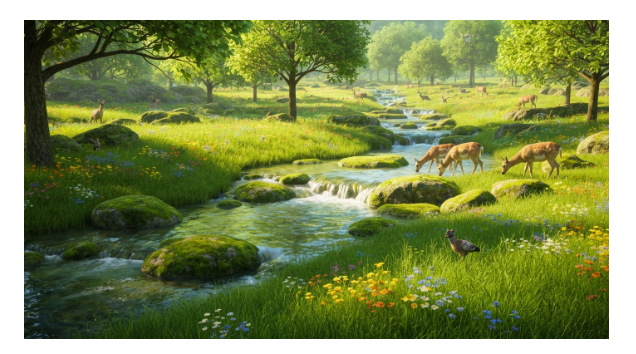
Key Highlights
Here are the key things you need to know about the parts of our environment:
- An ecosystem has two main parts. These are the biotic components, which means all the living organisms and living things, and the abiotic components, which are all the non-living things.
- Biotic factors are animals, plants, and microorganisms. These living things interact and play a part in the food chain.
- Abiotic factors are parts of the physical environment. This can be sunlight, water, soil, and temperature.
- These living and non-living components depend on each other for survival. They work together closely.
- The balance of these biotic components and abiotic components sets the environmental conditions in every ecosystem.
Introduction
Have you ever thought about what is in the world around you? Everything close to you, like a big tree or a tiny pebble, is part of the environment. To know how it all works, let’s look at its main parts. The components of an ecosystem fit into two groups. One group is all the living things, which are called biotic components. The other group is all the things that are not alive, which are the abiotic components. These two work together to make the web of life on Earth.
Overview of Environmental Components
The environment is made up of both living and non-living things. The components of ecosystems depend on these different parts working together to keep things in balance. There are plants, animals, and even tiny germs or bacteria as the living parts.
The abiotic elements are the parts of an ecosystem that are not alive. These are things like air, water, and soil. The way the living components of an ecosystem work with these physical factors helps set the environmental conditions in any area. To really know about an ecosystem, you have to look at both the living components and the physical factors together. This helps you see the whole picture of how everything works in nature.
Defining Biotic and Abiotic Components
Let’s talk about the living parts of the environment. Biotic components are all the living things in an ecosystem. Plants, animals, fungus, and bacteria are all biotic components. They make up the life part of the environment. For example, trees in a forest, fish in a river, and the bacteria in soil that help break down matter are all living things that are biotic components.
Abiotic components are all the nonliving things in the environment. These include the physical and chemical factors that shape the ecosystem. For example, the sunlight gives energy. Water, which is needed by so many, helps with thirst. The temperature controls if a place is hot or cold. Air, soil, and minerals are also good examples of abiotic components.
The main difference between biotic factors and abiotic factors is easy to see. Biotic factors are living things. Abiotic factors are not alive. Living things can grow. They can also reproduce and interact with other living things. Abiotic factors do not have life. Things like rocks and wind are some abiotic factors. They help living things because they give what is needed to survive. But they are not alive on their own.
Structure of the Environment in Nature
The physical environment of our planet has three main parts. These are the lithosphere, which is the solid ground, the hydrosphere, which is all water, and the atmosphere, which is the air around tether. These three parts are not living. But they make a base so that living things can be here.
Each of these spheres is special in its own way. The lithosphere gives the earth its structure. It holds the structure of the soil and the earth’s minerals. The hydrosphere has all the oceans, rivers, and lakes. These cover about 70% of the earth’s surface. The atmosphere is a layer of gases. It includes oxygen and carbon dioxide. These gases are needed for life.
These spheres show the main non-living parts of our world. The chemical factors in these parts, like nutrients in the soil and salt in the sea, can have an effect on the living components of an ecosystem. For example, a plant is a living thing. It grows in the soil, which is not alive. A plant also needs water and sunlight to grow. Both of those are also parts that are not living. So, the living components depend on these other non-living things to survive.
Biotic Components of Environment
The biotic components in an environment are all the living organisms that are found there. These biotic factors include everything, from large animals to very small bacteria. Every type of plant, animal, fungus, or microbe is a part of these biotic components.
These living components take part in the ecosystem in an active way, especially in the food chain. They work with one another as producers, consumers, or decomposers. This keeps energy moving and helps break down organic matter. Let’s look at the main groups these organisms belong to.
Main Groups of Biotic Factors (Plants, Animals, Microorganisms)
Biotic factors are put into three main groups. First, there are the producers. These include green plants and algae. They make their own food by with photosynthesis. They use light energy to do this. Producers are at the base of the food web.
Next, there are the consumers. These living things get energy when they eat other living things. There are several types of consumers.
- Herbivores (primary consumers): These animals eat plants.
- Carnivores (secondary consumers): These animals eat other animals.
- Omnivores: These animals eat both plants and animals.
- Parasites: These are living things that stay in or on another living thing to get their food.
At the end, there are the decomposers. The group has fungi and bacteria. They break down dead things from plants or animals. By doing this, they put important nutrients back into the soil. This step is key for the whole ecosystem, because it helps recycle all the basic parts of life. It also affects the distribution of organisms.
Examples of Biotic Components in Indian Ecosystems
India is home to many rich landscapes that show us great examples of biotic components. In the green tropical rainforests of the Western Ghats, you will see a terrestrial ecosystem full of life. Here, you can find many living things like tall trees, different birds, monkeys, and many insects. All these living things are connected and interact with each other in a special way.
Another good example is in the bright coral reefs near the Andaman and Nicobar Islands. These reefs are made by small animals called corals. Coral reefs are home to many biotic components, such as different fish, sea turtles, and algae.
Here are some clear examples of living things you can find in these ecosystems:
- Terrestrial Ecosystem (Forest): There are teak trees, Bengal tigers, Indian elephants, and fungi in the forest.
- Aquatic Ecosystem (Coral Reef): A coral reef has coral polyps, clownfish, sea anemones, and zooplankton.
These living things show how they change and get used to the way life is in their own terrestrial ecosystem or aquatic ecosystem.
Abiotic Components of Environment
Now, let’s talk about the things in nature that are not alive. Abiotic components are the physical and chemical elements in the environment. These things have an impact on living organisms. These factors are also called ecological factors. They help decide which kinds of life can live in one place.
These physical factors include things like temperature and wind. These are known as climatic factors. They also include soil composition and water availability. All these factors matter, but some can be more important than others. They help shape every ecosystem in the world. Let’s take a closer look at some of the main abiotic factors.
Key Abiotic Factors (Air, Water, Soil, Light, Temperature)
There are several important physical factors that almost every ecosystem needs to work. Water is one of them. Life needs water to keep going. It helps with metabolic processes in people, animals, and plants. It also makes it possible for plants to get soil nutrients. Without water, life would not be the same, and things could not live the way they do now.
Temperature plays a big part in life. It can change things like how an animal’s body works and where they can live. Some animals, like polar bears, are used to living in very cold places. Other animals feel best when they are in hot places. Light energy from the sun is the main source of energy for most ecosystems. It helps plants in photosynthesis and keeps life going.
Here are some of the main abiotic factors that have a big effect:
- Water: The water is important. People and animals need it to live. It helps carry out many things the body needs to do.
- Light: The light gives energy that plants use in photosynthesis. It be very important for plant growth.
- Temperature: Change in temperature affects growth. It also controls where the species live and the way they spread out.
- Air: The air gives oxygen and carbon dioxide. Plants and people need these for breathing and photosynthesis.
- Soil: The soil holds plants. It provides support and gives soil nutrients. It helps a lot in plant growth.
Variation of Abiotic Factors Across Different Habitats
Abiotic factors are not always the same. They change a lot from one place to another. In a terrestrial ecosystem like a desert, there are high temperatures. There is also very little rain, and the soil is sandy. A forest is different. A forest has lower temperatures, more rain, and good, rich soil with a lot of organic material.
An aquatic ecosystem, like the ocean, has its own abiotic variables. Things such as water temperature, salt content, pressure, and ocean currents are very important in this area. The amount of sunlight that can go through the water also matters a lot. It decides where photosynthetic living things will grow.
You can find these components around you by looking at what is living and what is not. If it is a plant or animal, that is biotic. If it is the sunlight, soil, or rain, that is abiotic. Here’s a simple comparison:
| Abiotic Factor | Terrestrial Ecosystem (Desert) | Aquatic Ecosystem (Ocean) |
|---|---|---|
| Temperature | High temperatures, large daily variation | Varies with depth, stable water temperature |
| Water | Very low amount of water | Abundant water |
| Soil/Substrate | Sandy, poor type of soil | Seabed sediments, rocks |
| Light | Intense sunlight | Decreases with depth |
Interaction Between Biotic and Abiotic Components
Biotic and abiotic components always interact with each other. Because of this, an ecosystem can work. For example, energy flows from the sun, which is an abiotic component. Then it goes to plants, and plants are biotic. After that, the energy moves up the food chain when animals eat the plants.
You can see this connection in the nutrient cycles. Things like the nitrogen cycle and water cycle show how elements keep moving from living to non-living parts of the world. These moves happen all the time. They are important for the good functioning of ecosystems. This helps us know how close these two parts are tied together.
How Abiotic Factors Influence Living Organisms
The abiotic environment has a big effect on how all living things live. Things like temperature and water availability help set the main environmental conditions that all animals and plants need. For example, temperature will change how fast animals use energy and how fast plants grow. When the air gets too hot or too cold, a lot of living things will not live.
Water plays a big role. Water availability can be a limiting factor. This means it can stop or slow down how much life is in one place. In a desert, water is hard to find. Because of that, plant growth is limited. When plants do not grow much, there are fewer animals living there too.
Abiotic factors help choose which types of species can live in an area. Each organism has to get used to the abiotic conditions where it lives. This could be how much sunlight is there or what pH level the soil has. If it cannot handle these things, it may not live well in that spot. That is the reason why you see different plants and animals in the rainforest and the arctic. The abiotic conditions in these places are not the same.
Dynamic Relationships Shaping Ecosystems
The relationships between living things and non-living things keep changing. Living organisms do not just use their abiotic environment—they change it, too. For example, plants let out oxygen into the air. Some animals that dig in the ground also change the structure of the soil. These small changes can have an effect on other living organisms in the food web.
This balance can be thrown off, especially by big environmental issues. Climate change is a good example of this. It is changing non-living things like temperature and how much it rains all over the world. These things have a direct effect on the survival and distribution of species. Because of this, species have to change the way they live, move to new places, or they might not make it.
Human activities can make things change very quickly. Pollution changes what is in the water and can hurt many living things in it. Cutting down trees, or deforestation, takes away plants that help keep the ground stable and also changes the weather nearby. These changes meet and show that when human activities affect one part, it can lead to problems in the whole ecosystem.
Importance of Biotic and Abiotic Components for Biodiversity
Both of the main categories of things in the environment are needed for keeping life in all its forms. The different species and life that live in a place, called biodiversity, depend on several ecological factors. These factors all work together to help keep every part of the ecosystem going.
Abiotic conditions, like temperature and the availability of water, help shape many kinds of places where living things can do well. Other things, like how animals hunt or fight for food, also shape how they grow and change over time. The way living and non-living things work together is what gives the earth so many types of life.
Role in Maintaining Balance Within Ecosystems
The way that living things and non-living things work together helps keep an ecosystem in balance. Abiotic elements in the area include things like the structure of the soil and how many nutrients are in it. These can have a big impact on plant growth. The plants that are able to grow in one place then help shape the distribution of species of animals, because animals need these plants for both food and shelter.
This helps to set up a steady system that takes care of itself. For example, decomposers take apart dead plants and animals. They put nutrients back into the soil. These nutrients help with new plant growth. The cycle keeps going.
These natural processes help the resources move around well and let the energy flows go smooth through the ecosystem. When things stay in balance, the ecosystem is healthy. It can bounce back and keeps a lot of living things safe. If something throws off this balance, it can cause big changes everywhere.
Contribution to Human Life and Environmental Stability
Humans are living organisms. We are a part of the environment. We rely on both living and nonliving things around us to live. We get our food from plants and animals. We need water to drink. We also use the air to breathe. The ecosystem gives us important chemical elements. It is also a source of energy for our lives and for the things we do in our societies.
Human activities have changed the way the environment stays balanced, even more since the industrial revolution. People started to change things that are not living, like the levels of carbon dioxide in the air and even made water dirty with pollution. Because of these actions, we have upset the natural cycles all over the world.
It is important to know our place as a living part of nature. What we do has an effect on the whole world. We need to take care to keep every part of the environment in balance. This helps not just the earth, but makes life better for us. This also helps keep us safe and healthy, now and in the future.
Conclusion
To sum up, it is important to know about both biotic factors and abiotic elements in the environment. These parts help us see how things in nature stay balanced. Plants, animals, and small living things interact all the time with things like air, water, and how warm or cold it is. This shapes everything around us and has an effect on many kinds of living things.
When we know why these interactions are so important, we also see how they can affect people and the stability of the world. So, if you are checking out what’s around you or learning about environmental science, it is good to have this knowledge. If you want to find out more or need one-on-one advice about working with your environment, feel free to reach out for a free consultation! (source)
Frequently Asked Questions
What are simple ways to identify biotic and abiotic components around you?
Look around you and ask, “Is it alive?” If you say yes, like when you see a bird, a tree, or an insect, then it is one of the biotic components. These are called living things. If you say no, like when you see sunlight, a rock, wind, or a puddle of water, then it is one of the abiotic components. These are nonliving things or physical conditions. It’s not hard to tell the difference between biotic components and abiotic components.
How do humans fit into biotic and abiotic classifications?
Humans are living organisms. This means we are one of the living components of an ecosystem. As biotic factors, our human activities can change other living and non-living things in the environment. We are a strong force in any place we live because of this.
Why is understanding these components essential for environmental studies?
Understanding the two components of an ecosystem is important in environmental studies. It shows how different things in nature work together. People can use these ideas to look at environmental issues, know how the physical environment changes, and find ways to fix things when the balance gets disrupted. This can happen because of the weather, animals, or what people do.




