Key Highlights
Here are the main things you get from our spiritual journey:
- The phrase ‘Krishnam Vande Jagadgurum’ is a strong Sanskrit line. It shows that Lord Krishna is seen as the great teacher to all. In this, Krishna is called the world’s guru.
- This saying comes from the Krishnashtakam. This is a hymn with eight lines that praise the many good things Lord Krishna does and his qualities.
- When people say ‘krishnam vande,’ it means, “I bow to Krishna.” This is a way to show a lot of respect and real devotion to Krishna.
- Each verse in the Krishnashtakam talks about Krishna’s looks, what he does, and who he is as a person in a beautiful way.
- Many believe that singing or reciting this hymn will give great spiritual help. It can clear out bad karma and bring good feelings into one’s life.
Table of Contents
Introduction
Have you ever read or heard a phrase that means a lot in a spiritual way? The Sanskrit saying “Krishnam Vande Jagadgurum” is one that many people feel deeply about. It is important for people who practice devotion, and it shows great love and respect for Lord Krishna. When people chant these words, it is not just about speaking. They feel in their hearts that Krishna is more than a god. The chant means you are showing respect to Krishna as the top teacher for everyone in the world. Let’s understand the meaning and how special this verse is for those who believe in Lord Krishna.
Understanding the Phrase ‘Krishnam Vande Jagadgurum’
The beauty of Sanskrit is in the way it can show so much meaning with only a few words. A good example of this is ‘krishnam vande jagadgurum’. In these few words, you get a feeling of full respect and giving yourself to something higher. This shows why krishnam vande has such deep meaning in Sanskrit.
This phrase is about faith. It means, “I bow to Krishna, the guru of the world.” Here, you show respect for Lord Krishna, who is seen as God. You call Krishna your main spiritual guide. This is a clear and strong way to show your devotion. It also says you see Krishna as the teacher for everyone. Now, let’s look at each word and see how these ideas connect.
Word-by-Word Meaning and Transliteration in Sanskrit
Let’s take a closer look at this phrase to really understand it. The way sanskrit grammar puts these words together makes a smooth feel of devotion. Each word has its own meaning, and all of them come together to make something special.
The full verse is: “vasudeva-sutam devam kaMsa-chANUra-mardanam | devakI-paramAnandam kRiShNam vande jagad-gurum ||.” It talks about Krishna and his actions. Krishna is the son of Vasudeva and is god to many. He fought KaMsa and chANUra. The verse also calls Krishna a source of joy for Devaki. It leads up to this strong line, ‘krishnam vande’ — showing deep respect and worship in the hymn. The verse sees Krishna as the guru for everyone.
Here is a simple breakdown of the main phrase:
| Sanskrit Word | Transliteration | Meaning |
|---|---|---|
| कृष्णं (Kṛṣṇam) | Krishnam | To Krishna (the attractor, the dark one) |
| वन्दे (Vande) | Vande | I bow to / I praise / I salute |
| जगद्गुरुम् (Jagadgurum) | Jagadgurum | To the guru of the world/universe |
Origin and Use in Hindu Scriptures
The phrase ‘Krishnam Vande Jagadgurum’ is more than just a single line. It is the strong ending for each of the eight verses found in the Sri Krishnashtakam. This hymn is a beautiful work of poetry and full of devotion, made to honor Lord Krishna. No one knows exactly who wrote this well-known version, but the thoughts in it come from Hindu scriptures.
The stories and traits of Krishna you read in the hymn come from key books of Hinduism. The Mahabharata and many Purana works tell us about Krishna. A famous sage named Vyasa is thought to have written these Hindu scriptures. They share Krishna’s tale, starting at his birth and show his god-like actions and lessons.

The first verse talks about Krishna as the one who killed Kamsa and Chanura. This story comes from the Bhagavata Purana. By adding these stories from the scripture into the hymn, the devotee gets to feel close to the rich past and lessons about Krishna. This makes the praise feel stronger and more special.
Spiritual Significance of Krishna as Jagadguru
Lord Krishna, who is known as an incarnation of Lord Vishnu, is often called Jagadguru. This means he is seen as the guru of the whole universe. People give him this important title because of the wisdom he shared. Krishna’s teachings are not just meant for one group or for some special time. What he said can help all people, in any time, anywhere in the world. His words guide us and teach us the best way to live.
This title means that Krishna is not just a god. He is the main source of all spiritual knowledge. He helps people move from darkness and ignorance to truth and light. If you feel devotion to him as the Jagadguru, you accept his high role in your spiritual path. This shows you trust his guidance. Let’s look at why people honor him in this way and how they use the phrase in practice with devotion to krishna and freedom from ignorance.
Why Lord Krishna is Revered as the Universal Teacher
Lord Krishna is called the Jagadguru mainly because of what he shared in the Bhagavad Gita. The Gita is seen by many as the main text that collects ideas of all the philosophy and spirituality from before. In the Bhagavad Gita, Krishna talks about life, duty which is called karma, devotion, and what is real in this world. His words in the Gita are a simple guide for everyone who wants to grow in their spiritual path. It does not matter where you come from, the teachings of lord Krishna in this text can help all of us.
Think of it like this. When you see a movie and a character says something deep, you remember who said it in the movie. You do not always think about the person who wrote the script. In the same way, the Mahabharata was written by Vyasa, but the message of the bhagavad gita comes to us through krishna. The words are so strong that krishna is seen as the greatest teacher by many.
His teachings are not just about abstract ideas. They give clear steps on how to deal with the hard parts of life in a simple way. That is why many see Krishna as a global guru, not just a person from a story. His advice can help all of us in the world feel more clear and focused every day.
Role of ‘Krishnam Vande Jagadgurum’ in Prayers and Devotional Practice
The phrase ‘Krishnam Vande Jagadgurum’ is alive in Hindu practice. This is more than words from the past. People use it every day in prayers and in big events. It shows their faith is deep. The words ‘krishnam vande’ and ‘krishnam vande jagadgurum’ are part of life for many.
The Krishnashtakam hymn uses this line at the end of every verse. It comes up again and again, which helps remind people about the main point. It shows that Krishna is the teacher for everyone, no matter which trait or power of his you pray to or talk about. People like to sing these lyrics during bhajans or prayers because the song is well-known and loved.
Keywords used: krishna,lyrics,krishnashtakam,hymn,verse
Here are some usual ways people use this phrase in daily practice with faith:
- You can use this chant in your own prayers every day if you want Krishna to help and guide you.
- People often sing these words together in groups when they meet to sing bhajans and other songs for Krishna.
- Speakers may use this phrase in talks about faith to show what Krishna really means to all of us.
The Krishnam Vande Jagadgurum Ashtakam
The lovely phrase we are talking about is the main point of a devotional hymn called Krishnashtakam. This hymn is an “ashtakam.” That means it is a poem in Sanskrit that has eight verses. This special song is a deep tribute to Lord Krishna. In the hymn, every verse shows his divine qualities in a bright and clear way. The krishnashtakam honors Lord Krishna and helps people feel close to him.
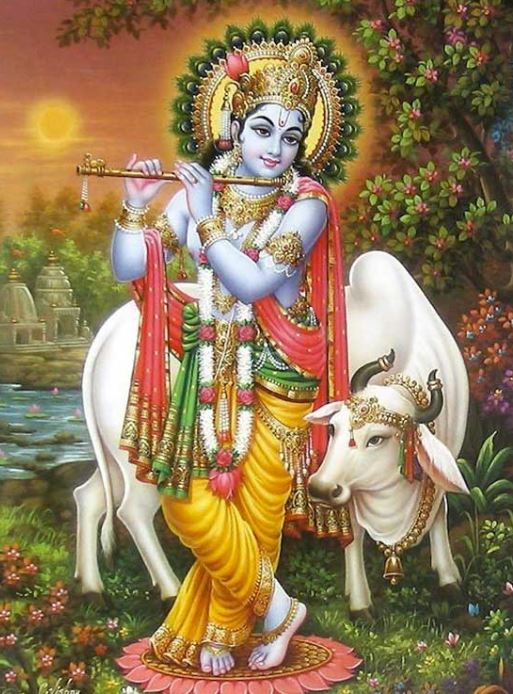
From his deep blue skin to the peacock feather in his hair, the hymn helps the person to picture Krishna and feel close to him. Each verse ends with the strong line, ‘Krishnam Vande Jagadgurum,’ showing that he is the true spiritual teacher for all. Let’s look at the lyrics, the meaning, and how this hymn and every verse speak about Krishna.
Complete Lyrics in Sanskrit and Translation
The Krishnashtakam is a hymn filled with love and devotion for Krishna. It has eight verses in the full lyrics, but the first verse speaks about his birth and the strong things he has done. This verse is a good way for anyone to start if they want to feel a deep connection with this prayer. The krishnashtakam lyrics help people feel close to Krishna and his story through every line of the hymn.
The verse shares important moments from Krishna’s life. It shows his family line and his role as someone who cares for people and brings them happiness. This translation helps all of us feel the respect found in the Sanskrit text. The way the hymn praises Krishna and then says ‘Krishnam Vande Jagadgurum’ keeps going through the whole hymn. This is the feel you get when you read every verse.
Keywords used: krishnam vande, krishnam vande jagadgurum, krishna, sanskrit, hymn, verse
Here are the lyrics of the first verse with its English translation.
| Sanskrit Lyrics | English Translation |
|---|---|
| वसुदेवसुतं देवं कंसचाणूरमर्दनम् । देवकीपरमानन्दं कृष्णं वन्दे जगद्गुरुम् ॥ | I bow to Lord Krishna, the guru of the universe, the son of Vasudeva, the divine one, the slayer of Kamsa and Chanura, and the supreme bliss of Mother Devaki. |
Common Occasions for Recitation and Musical Renditions
The Krishnashtakam is often sung and chanted by people in india and in other parts of the world too. Many devotees use it for worship. Its verses feel easy to say, and have meaning that many find deep. That is why the krishnashtakam is liked by those who pray at home and in groups. When there are big festivals that honor lord krishna, you will hear people sing the krishnashtakam along with others.
Many people include this hymn in their morning prayers. It helps them to start the day with thoughts of Krishna. This hymn is very popular from September to December. During these months, there are important festivals like Krishna Janmashtami. You can find it sung in many languages, such as Hindi and Telugu. This makes the hymn easy for all to listen to and enjoy.
Common occasions for its recitation include:
- Krishna Janmashtami is a festival. It celebrates the birth of Krishna.
- The daily prayers take place in the morning or evening. People pray at households and temples.
- There are spiritual gatherings and bhajan sessions too. In these, people sing with great devotion for krishna.
Other Respected Sanskrit Shlokas and Variations
While ‘Krishnam Vande Jagadgurum’ is important, there is a huge world of devotional text in Sanskrit. People have made many verses and hymns for every God and Goddess. Each one has its own way to show love and respect. There are many ways in these Sanskrit verses to praise and feel close to a god or goddess. The text called ‘Krishnam Vande’ is just one example in this deep ocean of worship.
Many shlokas start with words that show respect, like ‘nama’ or a greeting. The exact line ‘Krishnam Vande Jagadgurum’ is used in the Krishnashtakam. This line means showing respect to Krishna, who is seen as the highest teacher. An idea that comes up over and over is where people bow down to a god, asking for help and wisdom. Let’s look at some other lines that feel the same and learn what they say.
Similar Sanskrit Verses Praising Krishna
If you feel the devotional mood in ‘Krishnam Vande Jagadgurum,’ you can find many more nice hymns written for Lord Krishna. These songs talk about his life, starting from when he was a child and also when he showed his cosmic form. Every verse helps you feel closer to Krishna and build your bond with him.
These hymns, like the Krishnashtakam, use clear and strong words to honor Krishna. A lot of them have been put into Hindi and other languages. Musical versions are also loved by people who follow Krishna. Looking at these shlokas can add more to your spiritual practice.
Here are some more well-known Sanskrit hymns that praise Lord Krishna:
- Achyutashtakam: This is an eight-verse hymn written by Adi Shankaracharya. It praises Krishna using many names that are also used for Vishnu.
- Madhurashtakam: This hymn was made by Sri Vallabhacharya. It talks about how sweet Krishna is in every way.
- Bala Mukundashtakam: This hymn thinks about Krishna as a small child. It comes from a vision that Sage Markandeya had.
- Govindashtakam: This is another famous hymn by Adi Shankaracharya. It gives praise to Govinda, who is Krishna.
Variations and Explanations in Hindi and English
The words ‘Krishnam Vande Jagadgurum’ are known in many places and spoken in different languages. You can find what it means and read translations in English and Hindi. These clear explanations help every person understand it better. The real feeling behind ‘krishnam vande’ stays the same no matter what language people use.
In Hindi, the meaning shows what devotion is. It says, “I offer my respect to Lord Shri Krishna. He is the son of Vasudeva. He brings great happiness to his mother Devaki. He is the one who defeated Kansa and Chanura. He is the Guru for everyone in the world.”
These words help us feel closer to Lord Krishna and see him as a guide. The message is full of love and respect for him. The essence of devotion can be felt through this simple verse in Hindi. It reminds us why Shri Krishna, the son of Vasudeva, is held so high as a lord and guru.
This shows that people read and understand it in the same way every time. It does not change much. When you read the explanation in English or in Hindi, you will find that the main point stays the same. The text always talks about Krishna being a great teacher to everyone. Krishna is seen as a guide for all people.
Conclusion
In conclusion, “Krishnam Vande Jagadgurum” shows a strong spiritual tie to Lord Krishna. Many people see him as the teacher for everyone in the world. Knowing what this phrase means helps us learn more about Sanskrit. It also lets us feel more of the deep and special meaning behind it. When we look into how people use this phrase in different settings, we get to see a big world full of devotion and wisdom. This world goes beyond time and place. People say “krishnam vande” or “Krishnam Vande Jagadgurum” in prayers, songs, and chants. Calling on this phrase helps us feel near to the divine. It can bring real change in our lives. If you want to learn more and feel a stronger connection, you might want to join guided sessions or workshops. These can help you understand Lord Krishna and his teachings even better. You can find many ways to grow your devotion and learn more about Sanskrit.
Frequently Asked Questions
What is the deeper spiritual meaning of ‘Krishnam Vande Jagadgurum’?
The real meaning is to let go of your pride and see Lord Krishna as the top guide for wisdom. You show devotion when you accept him as your guru. He is the one who helps you move from the darkness of ignorance to knowing truth and finding freedom.
Are there different interpretations in different regions or scriptures?
The phrase ‘Krishnam Vande Jagadgurum’ has the same meaning everywhere in India. It is a way to show deep respect to Krishna, calling him the teacher of the world. Old writings like the Mahabharata and Purana have many stories about Krishna’s life. Still, when people say this line, it means that they see Krishna as a guide to everyone.
How can chanting this phrase benefit devotees today?
Chanting this phrase helps you feel deep devotion to Krishna. It can also clean your mind. Many say that it breaks the bad effects of past karma and gets rid of ignorance. You feel closer to the divine. This practice brings peace to the heart and makes your faith in Krishna strong. You start to trust him as the guide for your life.