
Key Highlights
Here is a short look at what makes the Pancha Bhoota Sthalas so unique:
- There are five ancient Shiva temples in South India. Four of these temples are in Tamil Nadu.
- Each of the temples is connected to a different part of the five elements of nature. These include Earth, Water, Fire, Air, and Ether.
- You can feel strong elemental energies of Lord Shiva at each place.
- Every temple has its own special Shiva Lingam which shows one of the elements.
- When you visit all the temples, you go on a deep spiritual journey.
Introduction
Have you ever thought about how old wisdom links our spirit with the things around us? The Pancha Bhoota Sthalas show this in a clear way. The word “Pancha” stands for five, “Bhoota” means the elements, and “Sthalas” points to places. These are five old temples for Lord Shiva. At every one, he is shown as the main force of one of the five elements of nature: Earth, Water, Fire, Air, and Ether. If you come on this path, you will see these sacred, ancient temples and feel their deep meaning for the spirit.
The Pancha Bhoota Sthalas: Temples Representing the Five Elements
In south India, you can find five unique temples. Each temple is a sacred site where people honor Lord Shiva in a special way. At these places, Lord Shiva is worshipped as the pancha bhoota, or as the five elements. These temples are more than worship spots. The energy in each is strong, and each temple matches with one of the five important elements that make up the universe.
This pilgrimage helps you feel closer to the essence of creation itself. The five temples in this journey each stand for something key. Ekambareswarar is Earth, Jambukeswarar is Water, Arunachaleswarar is Fire, Srikalahasteeswara is Air, and Chidambaram Nataraja is Ether. When you visit these temples, you get to see how these forms of Lord Shiva can show you a way to wake up your spirit.
1. Ekambareswarar Temple, Kanchipuram – The Earth Element (Prithvi)
The Ekambareswarar temple in Kanchipuram is the place where people worship Lord Shiva as the earth element. The main idol at this temple is called the Prithvi Lingam. It is a Shiva Lingam made from sand. There is a story about this temple. Goddess Parvati was praying under a mango tree and Lord Shiva wanted to see how strong her faith was. So, he sent a flood. Parvati protected the sand lingam by hugging it. Lord Shiva saw her love and care. Then he appeared before her at the temple.
This act of devotion is the reason why the lingam does not get a usual water abhishekam. People use jasmine oil instead. This helps keep its form. The story shows that real devotion can be shown with simple things. Even a handful of earth can be enough.
Visiting this temple makes you feel a strong and steady energy from the earth. The temple complex has a mango tree that people say is thousands of years old. This tree shows the old roots of this sacred place, which is one of the great Shiva temples in the south.
2. Jambukeswarar Temple, Thiruvanaikaval – The Water Element (Apas)
The Jambukeswarar Temple in Thiruvanaikaval is a special place that stands for the water element. In this temple, people come to worship lord shiva as the Appu Lingam, which is also known as the water lingam. A fresh flow of sacred water moves up from an underground spring to the inner sanctum. This water always stays around the lingam. The steady flow is a sign of endless wisdom from the divine and shows how life moves like water.
The story of this temple says that Goddess Parvati, who is called Akhilandeshwari here, prayed deeply. She then used water from the Cauvery River to shape the lingam. Lord Shiva showed up as a teacher and gave her the ultimate knowledge, known as Shiva Gnana. Because Lord Shiva was a teacher and Parvati was a student in this place, people do not celebrate the wedding of lord shiva and goddess parvati here.
This temple is important because it shows wisdom and learning. People think that praying here helps them feel smart and clear in mind. A priest dresses as the Goddess every day and does a puja. This practice repeats the way she worshipped lord shiva a long time ago.
3. Arunachaleswarar Temple, Tiruvannamalai – The Fire Element (Agni)
At the Arunachaleswarar Temple, Lord Shiva shows the power and change that come from the fire element. Here, people worship him as the Agni Lingam, which is a column of fire. The story tells us that Lord Vishnu and Lord Brahma once argued about who was greater. To end this, Lord Shiva came as a column of light with no end or beginning. He told them to find where this column started or ended.
Neither one could win, so this event, called the Lingodbhava, shows that Shiva does not have any limits. People see the Arunachala hill as Shiva appearing as the holy fire. This temple stands for getting rid of the ego and not knowing, so you can reach spiritual enlightenment.
The main gods prayed to at this temple are Arunachaleswarar (Shiva) and Unnamalai Amman (Parvati). This place shows how fire stands for being pure and wise. It helps clean the soul and shows the way for anyone visiting to feel free inside. All people who come here get to see what the power of fire means.
4. Sri Kalahasteeswara Temple, Srikalahasti – The Air Element (Vayu)
Though this temple is in Andhra Pradesh, it is very close to Tamil Nadu. The Sri Kalahasteeswara Temple is a big part of the Pancha Bhoota group of temples. Here, the temple stands for the air element. Lord Shiva in this temple is worshipped as a Vayu Lingam.
People say something amazing happens in the inner sanctum of this place. A lamp there always flickers and moves, even when the air does not. This shows the presence of Vayu Deva, who is the wind god. Many believe this is a sign that he is in the temple.
The name Srikalahasti comes from three animals. These are a spider (Sri), a snake (Kala), and an elephant (Hasti). The story says that they each reached freedom here by showing true devotion to Shiva. This tale shows that devotion is not limited by what you are. It is something all life can feel.
The lingam in this temple is believed to be formed by itself. People and priests do not touch it with their hands. This temple is known for Rahu-Ketu poojas. These are rituals that help remove bad effects that come from planets. A big event called Mahashivaratri is celebrated here. Many people come during this time, and the temple glows with joy. Thousands of devotees join in these celebrations.
5. Chidambaram Nataraja Temple, Chidambaram – The Ether Element (Akasha)
The Chidambaram Nataraja Temple is also called the Thillai Nataraja Temple. It stands for the last and most subtle thing, which is ether or Akasha (space). In this temple, Lord Shiva is worshipped in three ways. People see him as the cosmic dancer Nataraja, as a crystal lingam, and in his formless feel. One very special thing here is the worship of Shiva with no form. This is called the “Chidambara Rahasya” or the secret of Chidambaram.
In the inner sanctum, there is a place behind a curtain. This spot looks empty. When the priest moves the curtain, you see only golden bilva leaves there. These leaves show that the divine does not have a set shape. The presence is everywhere. It shows the top goal of spiritual practice. The practice helps us see that we are empty inside, and feel part of everything. This is how we can feel close to the big consciousness that makes up the universe.
The temple honors Shiva as the cosmic dancer. His dance keeps everything in the universe going. The cosmic dancer’s image is very important here and shapes what the temple stands for. If you visit, make sure to wear modest clothes. Try to go at the right hours so you can see the special rituals linked to the chidambara rahasya.
Unique Features and Significance of Each Pancha Bhoota Temple
Each of the Pancha Bhoota temples is more than a building. It’s a place that is filled with energy. The special thing about each sacred site is how it shows its own sacred element with a unique Shiva Lingam and stories tied to it. This clear link to the elements gives everyone a real way to reach spiritual enlightenment.
As you go through these temples, you see that the ideas there show how nature and gods are the same. In this place, we will talk about what the elements stand for, why each lingam is important, and which gods live inside these holy walls.
The symbolism of the five elements in Shaivism
In Shaivism, the five elements of nature are more than just things you can touch or feel. They are the main parts that make up everything, and Lord Shiva is the one who has control over them. Each element has a deep meaning. It shows a different part of the Shiva Tattva, which is the main idea behind lord shiva. These temples clearly show how close the bond is between nature and spiritual life.
The elements show a step-by-step path that moves from things you can see and touch to those that are harder to feel. This is a bit like the way people move forward on their spiritual path. The Pancha Bhoota Sthalas capture this journey in a very nice way.
- Earth (Prithvi): The element of earth is about being steady, keeping form, and feeling steady in life. It helps build the base for all that is real and can be touched.
- Water (Apas): Water is about change, staying clean, and the things we feel. It helps us clear out what we hold inside.
- Fire (Agni): Fire shows change, being pure, and the light that helps people learn and stop not knowing things.
- Air (Vayu): Air means the force that keeps people alive, the move of things, and the energy nobody can see that is there for us all.
- Ether (Akasha): Ether, or space, is the place with no form. It covers all and stands for endless thinking and the feeling of being free.
Significance of the lingam at each Pancha Bhoota temple
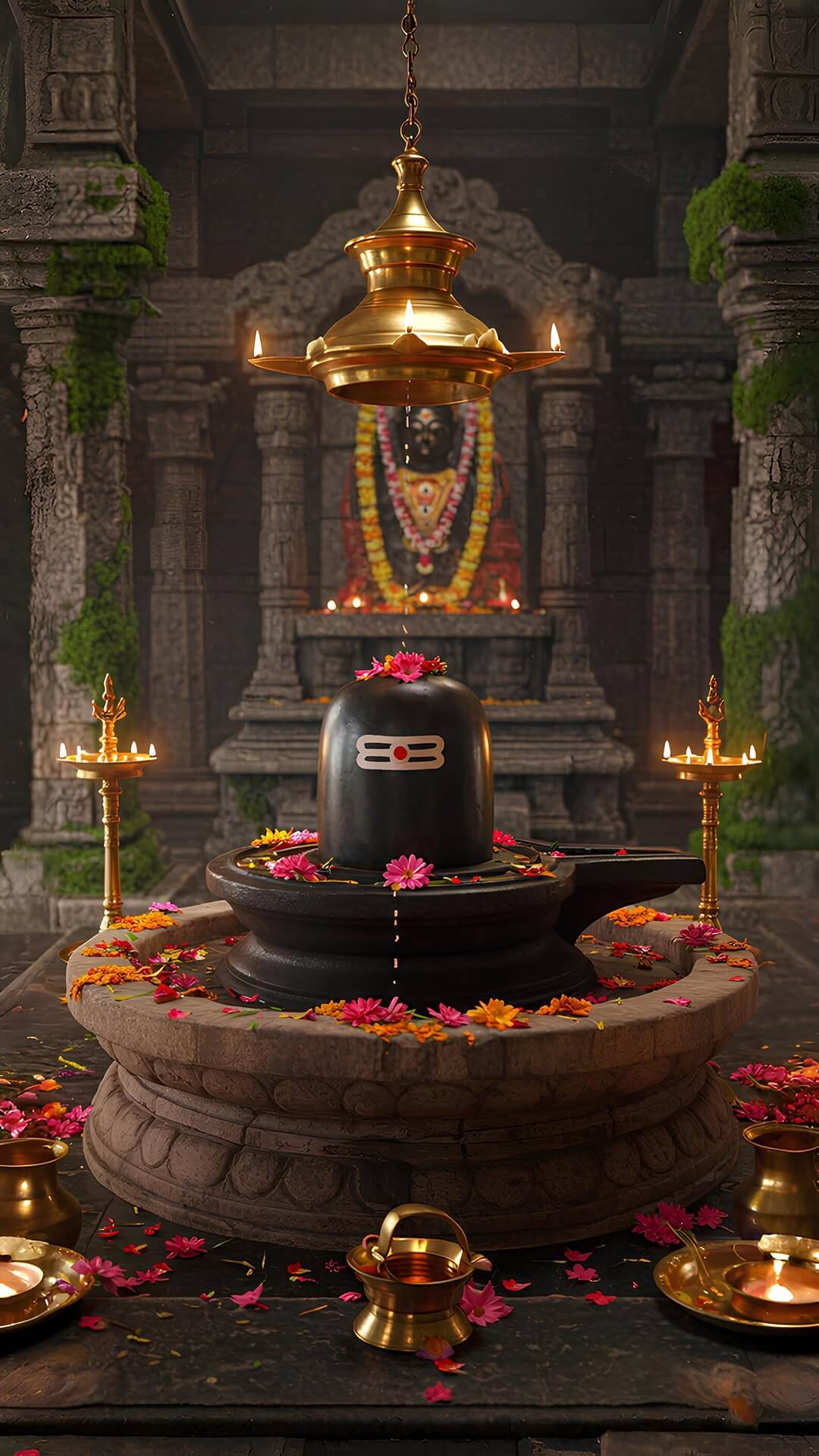
The Shiva Lingam at each Pancha Bhoota temple is not just a statue. It is a living symbol that shows the element it stands for. These sacred forms are made to bring the elemental energies inside. This helps make worship feel personal for people and very strong, too. The meaning of each temple comes from its own special shiva lingam.
In the inner sanctum of each temple, you see a lingam. It is always physically or symbolically tied to its element. At Kanchipuram, you will find the Prithvi Lingam. The lingam is made of sand. This helps you feel its earthy stability. When you visit Thiruvanaikaval, you see the Appu Lingam. The lingam is always being bathed in water. This can stand for wisdom and how it flows.
At Tiruvannamalai, the Agni Lingam is the big, fiery Arunachala hill. It stands for knowing things and change. The Vayu Lingam that is at Srikalahasti is shown through a flame that keeps moving. This links you to the air people need to live. The Akasha Lingam at Chidambaram is just an open space. It means there is endless awareness in the world.
Main deities and iconography found in the temples
Lord Shiva is the main focus in all five temples. In each main deity room, people worship him in his own special way. But you can also find other important gods with him. The art and statues in these temples show much more about these gods and their stories.
Goddess Parvati, who is Shiva’s wife, can be found in all these temples. People know her by different names at each place. For example, in Kanchipuram, she is Kamakshi, and in Thiruvanaikaval, she is Akhilandeshwari. Other gods are also part of the stories and images, like Lord Brahma and Lord Vishnu. You see them often in the Lingodbhava story at Arunachaleswarar.
- Chidambaram: This temple stands out because of the famous idol of Nataraja. It shows Shiva as the Lord of Dance. You can see him captured in the middle of his dance of the universe.
- Srikalahasti: In this temple, people come to see the self-made Vayu Lingam. It shows that Shiva’s presence can be felt, even when you cannot see him.
- Chidambaram: This place is often called the “lotus heart of the universe.” In this temple, there is worship for Shiva and also for Lord Govindaraja Perumal (Vishnu). Many people come each year to visit this holy place and feel close to both Shiva and Govindaraja Perumal.
Festivals and Rituals Celebrated at the Pancha Bhoota Sthalas
The Pancha Bhoota Sthalas are full of life and energy. The people there celebrate many festivals and hold special events all year. These things are not just normal events, as they show true faith and help bring the feel of the sacred space to everyone. When there is a festival or Shiva Puja, it tells the story of that temple and its element. Every time you go, you feel the power of Pancha Bhoota, and the place seems to come alive.
From big yearly festivals that bring in thousands of people to small daily rituals done by devotees, these traditions create a strong spiritual connection. Let’s learn about some of the main festivals, what devotees often do, and the important ceremonies that give these temples their deep spiritual feel.
Major annual festivals unique to each temple
Each of the pancha bhoota Shiva temples holds its own special yearly festival. These events match up with the temple’s main element and the stories from that place. The festivals are a chance for people to show their deep faith and keep old customs alive. A lot of people from many places, even from other countries, come to take part in these amazing celebrations.
The Arunachaleswarar Temple is well known around the world. The Karthigai Deepam festival is a big event here. At this time, the people light a huge lamp at the top of Arunachala hill. The lamp stands for Shiva as the column of fire. The fire shines for miles, and it shows how light can win over darkness.
Here are some other notable festivals:
- Panguni Uthiram: There be a festival at Ekambareswarar Temple. This is about the wedding of Shiva and Parvati.
- Uchi Kala Pooja: Every day people do this ritual at Jambukeswarar Temple, but it gets special at a certain time. The priest puts on clothes like Parvati and then worships Shiva.
- Mahashivaratri: All five temples join in to celebrate this big day. At Srikalahasti, people feel the energy and use the night for prayer and thinking deeper.
- Arudra Darisanam: This takes place at Chidambaram temple. People come to see and feel the joy of Lord Nataraja’s cosmic dance.
Ritual traditions followed by devotees
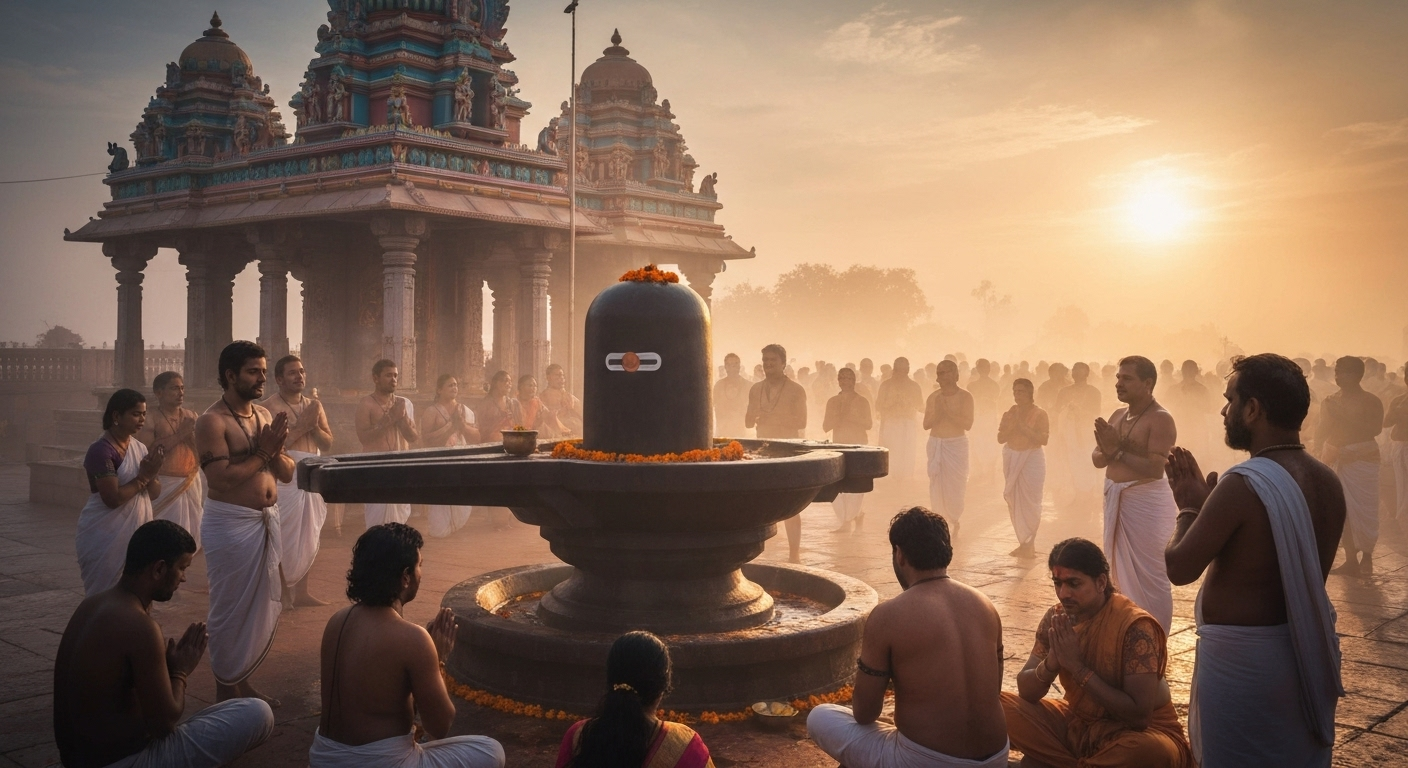
When you go to the pancha bhoota temples, you see many people taking part in different rituals. This helps them feel a stronger spiritual connection. These acts are simple but they mean a lot to those who practice them. People show respect and ask for blessings from the divine. Doing a shiva puja or praying in the main deity room is very common here.
One of the most well-known traditions at the Arunachaleswarar Temple is called Girivalam. People take part in this by walking around the holy Arunachala hill. The walk is about 14 kilometers long. Many pilgrims do this walk, often on nights when the moon is full. They believe that by doing this, their sins will be washed away. It is also thought to help people get their wishes.
Many people bring flowers, coconuts, or other things when they come. Some people like to sit in quiet and think in the temple complex. They feel the good energy of the sacred space. No matter if these actions are big or small, they are an important part of what it means to visit these places.
Special pujas and ceremonies marking the five elements
At every Pancha Bhoota temple, people do special pujas and ceremonies. They do this to respect each sacred element in the best way. These rituals match the nature of the element that the temple is known for. Because of this, the way people worship at each temple feels different. These special ceremonies show how important each temple and its sacred element are.
At jambukeswarar temple, the rituals focus on the appu lingam, which is related to water. There is a flow of water over the lingam all the time. This, by itself, is a special ceremony. At Arunachaleswarar, people do their daily prayers and offerings for the agni lingam. Here, they honor the power of fire during these acts.
Here are some examples of these types of ceremonies for the elements:
- Ekambareswarar Temple (Earth): The Prithvi Lingam at this temple is kept safe from water. People do not pour water on it. Instead, they put nice-smelling pastes on it to show respect for its form from the earth.
- Chidambaram Temple (Ether): A big part of this temple is showing the Chidambara Rahasya. Here, devotees get to see the formless divine. This moment stands for the wide space of ether.
- Srikalahasti Temple (Air): The priests do pujas for the Vayu Lingam without touching it. This is because the lingam is said to be self-made and has an air-like feel.
Exploring the Architectural Marvels of the Pancha Bhoota Temples
The pancha bhoota temples are more than just places for worship. These ancient temples are also amazing buildings full of beauty. A walk through any temple complex will show you tall towers, skillfully carved statues, and huge halls. All these features show the rich history and smart ideas of people from long ago. The pancha bhoota temples are a great example of art and design over the years.
Each temple shows how skilled the workers were and how much the rulers cared about what they built. Now, let’s look at the unique building styles, well-known structures, and how Dravidian architecture shaped these amazing places.
Distinctive architectural styles and features
The Pancha Bhoota temples have been built over many years. These temples are some of the best examples of Dravidian architecture. This style is known for its tall gopurams, halls with many pillars called mandapams, and wide temple complex designs. All the pancha bhoota temples follow this style. But, each temple also has things that make it stand out from the others.
The Ekambareswarar Temple in south India is in Kanchipuram. This temple has one of the tallest towers, reaching almost 190 feet. The Arunachaleswarar Temple is also in south India. It is one of the largest temples in the country, with many yards and shrines. In south India, the Chidambaram temple is famous for its five big halls. Each hall has its own use.
This table shows what is special about each temple:
| Temple | Unique Architectural Feature |
|---|---|
| Ekambareswarar Temple | The Aayiram Kaal Mandapam, a hall with 1,000 intricately carved pillars. |
| Jambukeswarar Temple | Five concentric walls enclosing the temple complex, with the fourth precinct featuring a hall of 796 pillars. |
| Arunachaleswarar Temple | The massive eastern tower, or Rajagopuram, which is one of the tallest temple towers in India. |
| Sri Kalahasteeswara Temple | A 120-foot high main gopuram built by King Krishnadevaraya, known for its incredible sculpture work. |
| Chidambaram Nataraja Temple | The gold-plated roof of the main sanctum, a stunning sight gifted by a Chola king. |
Notable sculptures, halls, and towers at each site
The pancha bhoota Shiva temples are more than just big buildings. These temples are full of art. There are many carvings on the walls, pillars, and towers. You can see stories from hindu mythology, gods from the sky, and even kings shown in these sculptures. The halls inside these Shiva temples are not only made to be used. They are also places where people can see great work made by artists long ago.
The Arunachaleswarar temple is one of the largest temples around. It has many halls and shrines. The main tower, called the Rajagopuram, stands out with its special design and skilled work. In the same way, the Ekambareswarar temple has a hall with a thousand pillars, and each one is carved in its own way.
Here are some highlights:
- Chidambaram: The gopurams at this temple have many carvings. They show the 108 karanas, which are poses from Bharatanatyam, a dance from south India.
- Jambukeswarar: This temple has long corridors. These paths feel grand while you walk to the inner sanctum.
- Ekambareswarar: The main tower here is one of the tallest in south India. It stands out and you can see it from far away.
Influence of Dravidian temple architecture
The old and beautiful ancient temples found in south india have a long story behind them. The design of these temples comes from Dravidian temple building methods. This style started and grew a lot in south india. The big rulers like the Pallavas, Cholas, Pandyas, and Vijayanagara kings helped build and improve these temples. Over time, they made the temples larger and added many new features, starting from around the year 600 CE.
Many of these temples are called Paadal Petra Sthalam. This means the Nayanars, who were Shaivite saints, have praised them in their verses. The temples are not only old but also important in history and writing. For example, the Jambukeswarar Temple is one of the 275 famous sites to get this honor. The Chidambaram temple is also special. It is talked about in the Vaishnavite text called Naalayira Divya Prabandham.
You can see how these dynasties left their mark in the many layers of building work. The oldest buildings here were put up in the 7th to 9th centuries. The big gopurams and huge halls came later, built by the kings who ruled after. Each temple shows this mix of old and new, turning it into a living museum where you can learn about the changing styles through the years.
Travel Guide to Visiting All Five Pancha Bhoota Temples in Tamil Nadu
Are you ready to go on a spiritual journey in Tamil Nadu? Visiting the five Pancha Bhoota temples helps you feel a strong spiritual connection and lets you see the rich culture of South India. There are four of these temples in Tamil Nadu and one right across the border in Andhra Pradesh. If you plan this trip, you will find it is not hard to do, and you will feel that it is very rewarding.
This travel guide is here to help you as you plan to go to each sacred site. You will get a suggested itinerary with us. There are practical tips so your journey goes well. You will also read about local customs. That way, you can be sure your visit is both respectful and rewarding.
Suggested itinerary and route for pilgrims
Planning a trip to see all five temples is easier than most people think. A good plan helps you visit all the important places, and it lets you feel the five elements in each temple. Many people start from Chennai because it is the best place to begin your journey. A trip like this can help you see and feel each spot, making it a special time for you.
A good way to make this trip is to start with Kanchipuram (Earth), which is near Chennai. Next, you can go south to Tiruvannamalai (Fire). After that, travel to Chidambaram (Ether), and then head down to Thiruvanaikaval near Trichy (Water). A report by The Hindu says that if you plan your trip well, you get to feel the spirit of each place better and have a comfortable visit. The last stop is Srikalahasti (Air) in Andhra Pradesh. You can reach it from Chennai or Tirupati.
This route usually takes around four to five days, though the time will depend on your own speed. You can choose to hire a car for the whole trip, or you can use both trains and buses. All these towns have good links with each other. This plan helps you travel in order, so you do not have to go back the way you came.
Tips for planning your temple visits
If you want your temple visit to feel easy and special, it’s good to plan a bit before you go. You will find these travel tips useful for sorting out the small details and for learning what local people do at the temple. This way, you can spend your time really enjoying and connecting with the sacred forms of Shiva.
The best time to visit tamil nadu is from October to March. The weather in tamil nadu during this time is cool and nice. Summer months, from April to June, can get very hot here. Keep in mind that most temples in tamil nadu close in the afternoon for some hours. Try to go in the morning or evening, because that is when you can see the main pujas.
Here are some more tips:
- Dress Code: You should wear clothes that cover your shoulders and knees. This shows respect in the temple and other holy places.
- Footwear: You will have to take off your shoes before you enter the temple. Try to wear shoes that you can slip on and off easily.
- Photography: You cannot take photos in the main area of the temple most of the time. Always check for any signs or ask someone if you can take pictures.
- Guides: It can be a good idea to get a local guide. A guide can tell you more about the temple, its stories, and its past.
Local customs and etiquette for visitors
Showing respect for local customs is important when you visit any sacred site. The Pancha Bhoota temples are still used for worship today. If you follow some simple rules during your visit, you will feel welcome and their local people will also feel glad to have you there.
When you step into the temple complex, you should be quiet and show respect. Do not talk loudly. There are people who pray or meditate, so you need to care about their peace. When you walk around a shrine, always go in a clockwise direction. The deity should stay at your right side.
Here are a few more points on etiquette:
- Offerings: In these temples, you can see people giving small offerings. You do not have to do it. If you choose to, use your right hand.
- Physical Contact: Be careful not to touch the idols or the inner sanctum unless someone tells you it is fine.
- Be Patient: The temple might be busy, especially at festival times. Be calm and show respect to others while you wait in line.
Conclusion
The Pancha Bhoota Sthalas hold a special place in the spiritual life of Tamil Nadu. These temples stand for the five elements that are the base of our life. Each temple, like the calm Ekambareswarar Temple and the grand Chidambaram Nataraja Temple, shows not only great design but also a close link to nature and the spirit. When you visit these Pancha Bhoota temples, you will see many festivals, rituals, and customs that bring the five elements to life. A trip to these places can help you feel closer to the divine and see the strong tie between the world around us and the larger universe. If you want to go on this spiritual path, think about planning a visit to feel the peace and respect found in the Pancha Bhoota temples of Tamil Nadu.
Frequently Asked Questions
Which element does each Pancha Bhoota temple represent, and where are they located?
The Pancha Bhoota Sthalas stand for the five elements. Ekambareswarar temple in Kanchipuram is for Earth. Jambukeswarar in Thiruvanaikaval means Water. Arunachaleswarar in Tiruvannamalai shows Fire. Srikalahasti in Andhra Pradesh is for Air. The Nataraja Temple in Chidambaram stands for Ether. Four out of these five sacred places are in Tamil Nadu. This group connects the five elements, Pancha Bhoota, to holy spots in tamil nadu and andhra pradesh.
How do the Pancha Bhoota temples reflect the connection between nature and spirituality?
These temples show the Hindu belief that the divine can be found in all of nature. Each of these Pancha Bhoota Sthalas is for one of the elements of nature. They help show that the way to feel spiritual is linked to things you see and feel every day. This idea is a big part of Shiva Tattva.
What are the best times of year to visit the Pancha Bhoota Sthalas?
The best time to visit temples in tamil nadu is from October to March. The weather is cool and dry then. That means you will not face any very hot days or lots of rain. You can feel more comfortable on your trip. If you go during big festivals, such as Karthigai Deepam or Mahashivaratri, you can feel a deeper spiritual connection. These days give you a new way to feel the spirit of tamil nadu.
Citations: [1] The Hindu. A divine sojourn through Pancha Bhoota Sthalams. The Hindu, 19 Nov. 2015, www.thehindu.com/features/friday-review/history-and-culture/a-divine-sojourn-through-pancha-bootha-sthalamas/article7896495.ece. Accessed 23 May 2024.
The Pancha Bhoota temples are important in South India. These temples stand for the five elements of nature. People feel a deep and old link between faith and the earth when they visit these places. At the Pancha Bhoota Sthalams, many go each year to see the power of these five parts of nature come together. You feel close to history and the holy when taking part in this journey. These temples offer a way for us to remember that our lives and the world around us are joined through the pancha bhoota.