
Key Highlights
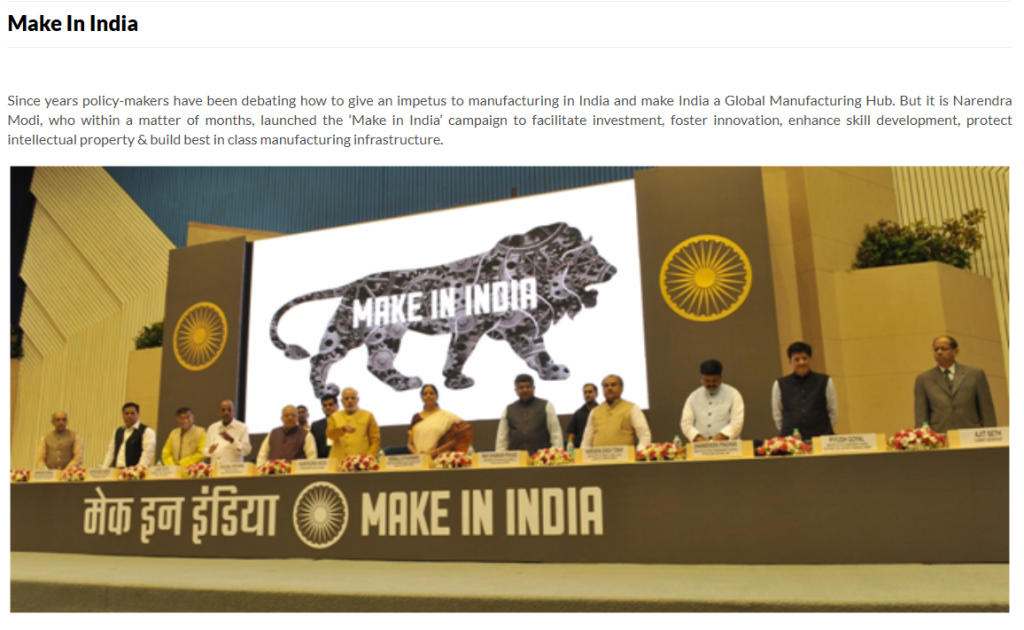
- The Make in India initiative started on September 25, 2014, with Prime Minister Narendra Modi leading the way.
- The main goal of this India initiative is to help the country become a global manufacturing hub and boost the manufacturing sector.
- This program wants the manufacturing sector to make up 25% of the GDP and also create 100 million jobs for people.
- It works to attract foreign direct investment by making it easier to do business in the country.
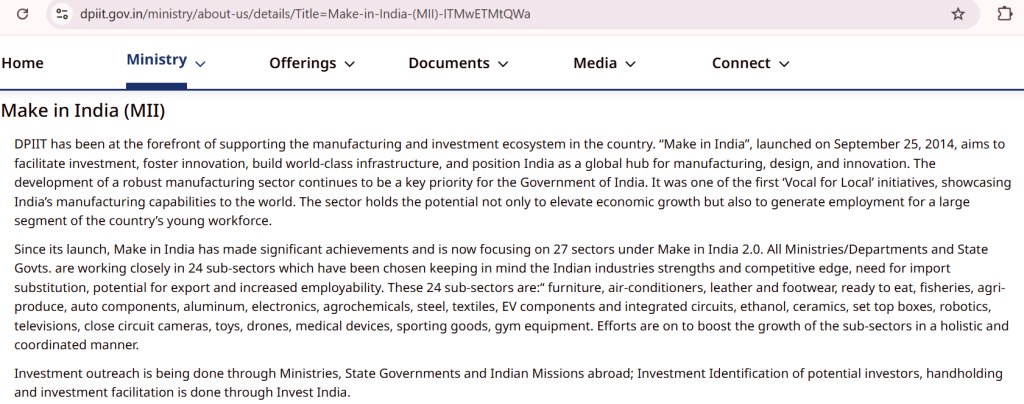
- The initiative looks at 27 key sectors in manufacturing and services that are important for India’s economic growth.
- Policy reforms and better infrastructure development are key for helping with job creation and getting more industrial growth.
Introduction
Have you ever thought about why there is a big push to make more goods here in our country? The Make in India initiative from the Government of India is trying to help with this. The aim is to boost the manufacturing sector and get companies all over the world to invest here. This can lead to strong economic growth for everyone in the country. The plan is not just about making things in India. It is also about building a good place where businesses can grow and where more people can get jobs.
Overview of the Make in India Initiative
The Make in India program is a big step by the government of india to change the economy. The prime minister started this india initiative in 2014. It was set up to get companies to make their products in India. This helps boost industrial growth and builds a strong economy.
The vision of this program is to make India the top choice for investment and a leading place for global manufacturing. The aim is to create more jobs and push for economic progress in the country. This campaign also wants to help unlock the great potential that India has. Let’s take a closer look at why this campaign started and what the main goals are that help to guide its work.
Vision and Launch of Make in India
The Make in India campaign started on September 25, 2014. Prime Minister Narendra Modi launched it. The idea behind the India campaign was a response to a tough time for the country’s economy. Around 2013, India was not growing fast. The economy had problems, and people were not sure about the future. The goal of this initiative was to help India become an important center for design and making products in the world. Prime Minister Narendra Modi wanted to see India do well by making more things at home.
This big plan did not just want to increase production. The Government of India used it to try a new way for economic development. They wanted businesses from around the world to come and invest in India. The goal was to help the manufacturing sector and get the country growing fast again.
The India campaign started to help businesses grow by building a better place for them to work. This showed a big change in how things are done. The aim is to make the Indian economy stronger in the long run. It will also help the country to stand up against the rest and be more like other top nations. The India campaign wants the Indian economy to follow the best rules, like those used by the World Bank.
Prime Minister’s Role in Spearheading the Program
Prime Minister Narendra Modi is the main supporter and leader of the Make in India flagship initiative. His personal work has been key in pushing the program at home and across the world. This effort aims to position India as a top place for manufacturing. The prime minister has always talked about making things simple for companies that want to invest and work in the country.
This program is not like the old policies. It brings together the work of different government groups under one clear vision. The prime minister mixes the ‘Digital India’ plan with ‘Make in India.’ The goal is to have both technology and making of goods grow at the same time. By working together, it helps all these areas get better, faster, and with new ideas.
In the end, the Prime Minister’s leadership aims to help the whole country grow. The government of India leads this big plan to make many new jobs. They also want to help people get out of poverty and build a nation that can stand on its own in the years to come.
Core Objectives and Pillars of Make in India
The Make in India initiative has some clear goals. It wants to speed up industrial growth in the country. It also aims to create many new jobs. Another goal is to bring inclusive growth, so that all people in society get to benefit. This india initiative shows a new mindset. It is all about taking steps for development, not just waiting for things to happen.
The program gets help from strong plans like the Production Linked Incentive (PLI). It also stands on basic ideas that help guide how it works. These pillars help handle big problems and set up a good base for economic development that can last. Let’s look at the main goals and the key pillars that hold them up.
Main Goals for Economic Growth
The Make in India scheme gives a clear direction for growth. One main goal is to help the manufacturing sector grow by about 12-14% every year. This big target is key to making the Indian economy stronger. The india scheme will help with economic growth and give the manufacturing sector more power in the coming years.
source:https://www.dpiit.gov.in/ministry/about-us/details/Title=Make-in-India-(MII)-ITMwETMtQWa
Another big goal is to make 100 million more employment opportunities in the manufacturing sector by 2022. This push for job creation will help use India’s young workforce. It will also help more young people get work. The plan wants the manufacturing sector to make up 25% of the country’s GDP.
Reaching these targets is key to making India a global manufacturing hub. Building special industrial corridors and new infrastructure helps these plans. This work makes a place where industries can grow strong. It also helps with long-term economic progress.
The Four Pillars of Transformation
The Make in India initiative builds on four main parts. These four pillars help to change the business world in India in a complete way. The india initiative uses these parts to set up the policy reforms and what the government needs to do. These pillars show what actions are needed for the drive to work well.
This plan looks to make things easier, build new and better buildings and roads, open new sectors, and help the government and businesses work together better. The four main points are:
- New Processes: This idea is about making it easy to do business in India. The goal is to make rules simpler, cut down on paperwork, and help remove some of the things that slow people down.
- New Infrastructure: This means building better roads, railways, and other things for people to use. There will be new industrial corridors, smart cities, and faster ways for people to talk and work together. All this helps with making goods and setting up new businesses.
- New Sectors: The plan lets in more foreign money and opens up new sectors. There are 27 focus areas across both making things and offering services.
- New Mindset: This shows a new way for the government to act. They want to help, not just make rules. They will work with businesses to find answers and help them grow.
These pillars work together to help build skill development. They also help make a business system that can compete well with others.
Key Sectors Prioritized Under Make in India
The Make in India scheme puts a strong focus on 27 key sectors. By doing this, the government can give more support and resources to where they matter most. These key sectors are part of both the manufacturing sector and other service industries. This way, the india scheme helps growth to be more effective and focused.
By focusing on these areas, the india scheme wants to use the strengths that are already there and also build new skills. The list has both old industries and new sectors that are ready to grow fast. The next parts will go over the main manufacturing areas and the new growth industries that are at the heart of this plan.
Major Manufacturing Sectors
The Make in India initiative focuses on several important manufacturing areas. These areas help with industrial growth and boost domestic production. They were picked because they can create more jobs in the country, bring in more investment, and make India buy less from other countries.
The government wants to give help to these areas so it can build a strong and mixed manufacturing base. The key manufacturing sectors that are most important under this plan are:
- Automotive and Auto Components
- Aerospace and Defence
- Pharmaceuticals and Medical Devices
- Renewable Energy
- Food Processing
- Textiles and Apparel
- Electronics System Design and Manufacturing (ESDM)
Helping these sectors get better is the main thing to do if India wants to be strong and able to compete in world markets on its own.
Service Industries and New Growth Areas
The Make in India initiative is not just about traditional manufacturing. It also sees how big the service sectors and new areas can grow. The indian government knows that a strong, modern economy needs service sectors to do well. So, they are putting focus on 12 important service industries. These include Information Technology, Tourism and Hospitality, and Logistics. The india initiative is helping these areas grow.
These sectors play a big part in driving technological advancement. They help make things run better for everyone. The initiative supports building new things, such as smart cities and digital networks. This development helps these service industries grow on a global scale.
By building up these new areas, the program wants to help the economy grow in many ways. This helps India not just do well in making things, but also in services that bring more value. This way, development can last for a long time and include more people.
Government Policies and Support for Make in India
The success of the Make in India scheme depends a lot on the policies and support given by the government of India. One main goal is to build a business environment that is open, works well, and is friendly to investors. The Department for Promotion of Industry and Internal Trade, along with the Department of Commerce, work hard to lead policy reforms in this area.
A big part of this work is to make India better for doing business. The government has brought in several steps. They have made tax rules simpler and let people invest more freely. This helps to set up a better space for industrial growth. Now, let us look at some of these rules made by the government.
Ease of Doing Business Measures
A big part of the Make in India initiative is to make it easier for people to do business. The government of India has worked hard on new rules to cut down bureaucratic red tape. The goal is to help investors feel more welcome and give them a better environment in which to work. Because of these steps, India is now higher on the World Bank business index.
The government wants to make things simple. It has set up several digital platforms for this. One example is the eBiz portal. This site gives you single-window access to many different government services. It helps businesses get started quickly and with less trouble.
Other steps are as follows:
- Making it simple to register a business and giving ways to do it automatically.
- Setting a fixed time to approve foreign investment requests.
- Making it easy to register property and get power connections.
These changes aim to make rules in India clear and easier to understand. This will help more companies feel safe about starting their business in the country.
Tax Incentives and Special Economic Zones
The government wants to help with industrial growth and bring in more foreign investments. To do this, it has set up special policy reforms. There are now tax incentives to make running a business here cheaper. Special Economic Zones (SEZs) have also been built. These SEZs give companies certain benefits. They can enjoy tax holidays and do not have to pay duties when they bring in raw materials. This setup helps to lower the cost of making goods and makes it easier for companies to sell their products in other countries.
Also, the government has changed corporate tax rates, which helps make India one of the top business places in Asia. These money benefits, which the department of commerce helps manage, give companies a strong reason to start making their products in India.
Key policy reforms have made foreign direct investment rules less strict in many areas. Here are some of the changes:
| Sector | FDI Policy Change |
|---|---|
| Defence | FDI limit raised from 49% to 74% under the automatic route. |
| Construction | 100% FDI permitted under the automatic route. |
| Specified Rail Infrastructure | 100% FDI permitted under the automatic route. |
| Insurance | Opened up for more foreign investment. |
Impact on Foreign Direct Investment (FDI)
One of the biggest results of the Make in India initiative is that it helped bring in more foreign direct investment. The Government of India made it easier and better for international companies to do business in the country. Because of this, many companies from other places put their money into India. This step is important for India’s goal to be a global manufacturing powerhouse.
The India initiative has shown the world that India is ready for business. Because of this, there has been record FDI coming into the country in recent years. This has helped many sectors to grow. The following sections will look at how the program brings in investors and share some top success stories.
How Make in India Attracts Global Investors
The Make in India initiative uses many ways to bring in global investors. A big part of this is making foreign investment rules easier. Most areas now allow FDI with an automatic process. This change helps make the business environment open and easy to understand.
The government set up an Investor Facilitation Cell to help investors. This group gives support to international companies at every step. They are there from the first plans to make an investment, through the process, and even after the deal is done. This one-on-one help makes it easier to deal with rules and laws. It also helps build trust for the investor.
These efforts, along with a better spot on the Global Competitiveness Index, have helped India become a more appealing place for foreign investments. The push to have a steady and clear policy framework gives global investors confidence. They feel that their foreign investments in India will last for a long time.
Notable FDI Inflows and Success Stories
The Make in India plan has worked well for the country. You can see this in the rise of foreign direct investment, or FDI. In the year 2021-22, India got its highest FDI ever at $83.6 billion. This shows that people feel good about investing here. This large amount of foreign direct investment has helped the economy a lot.
One big success can be seen in the mobile phone manufacturing sector. Since the launch of the plan, more than 120 new manufacturing units have been started by international companies. This move has brought down the need to import mobile phones. It has also saved the country about Rs 3 lakh crore that could have gone out.
These achievements show that the program works well to bring in money and new technology. By attracting big companies from around the world, India is slowly turning into a global manufacturing hub. This change helps India build a strong, self-reliant base for industry.
Achievements and Success Stories Under Make in India
Since it began, the Make in India programme has reached many goals and seen a lot of success. The india programme has led to significant growth in the industrial sector. It has also helped to improve India’s ability to make different things. These wins show the real effect of the government’s strong work in this area.
The programme has done a lot, from changing rules that shape the business world to projects that help increase domestic production. There has been good progress. Now, let’s look at some big steps and good examples that show how far this ambitious plan has come.
Key Milestones Since Launch
The Make in India initiative has seen many key moments that helped it reach success. These steps have helped change the way people see the economy in India. Together, they have pushed India closer to being a main global manufacturing hub.
One big change was the start of the Goods and Services Tax (GST). It made the way the country collects taxes easier and made it simpler for businesses to follow the rules. Another key change was the coming of the Insolvency and Bankruptcy Code 2016. This law helped India’s rules for bankruptcy match what is used in the rest of the world.
Other big moments that have helped with economic progress are:
- There has been a big jump in India’s Ease of Doing Business ranking.
- India now stands at the fifth place in the world for installed renewable energy capacity.
- The country is seeing large growth in its digital infrastructure with projects like BharatNet.
- The government has made FDI rules easier in many areas to bring in more foreign money.
Examples of Successful Projects and Companies
The Make in India programme has helped start many good projects. The India programme has also drawn several big international companies to open new locations or grow what they do in the country. These stories show that the programme works well.
The electronics sector has done very well, especially in mobile phone making. There have been 120 new manufacturing units set up. This step has brought thousands of jobs. It has also helped to build a local system for parts and for putting phones together. This change has been big for the industry.
Here are a few examples of successful outcomes:
- Big global companies like Foxconn, Mercedes-Benz, and Airbus have set up more manufacturing units and research centers in India.
- The defence field has more private companies also putting money into domestic production.
- India is now the fourth-biggest market for renewable energy. There has been significant growth in both solar and wind power projects.
These successful projects in main sectors show the real impact of the india programme.
Challenges Faced by Make in India
Even though the Make in India initiative has seen a lot of success, it still faces some problems. Changing a country’s businesses is not easy. There are many things that can get in the way for the india initiative. Some of the main issues are problems with the country’s roads, power, and other services. There are rules and laws that need to be fixed. A lot of people still do not have the right skills for the work needed.
It is important to deal with these problems to help drive innovation. It can also help support long-term and sustainable growth. Getting past these challenges will help decide if the program will be a success. It also shows if it can reach its big goals. The next parts will look more closely at what these barriers are.
Infrastructure and Regulatory Barriers
One big problem for Make in India is the state of the country’s physical infrastructure. There has been progress, but things like bad power supply, weak logistics networks, and slow steps to get land still slow down large manufacturing projects. There is a need to develop world-class industrial corridors, but building them fully will take time.
The government of india has tried to cut down on bureaucratic red tape. Still, there are rules that get in the way. The labor laws are hard to understand. It can take a long time to make decisions with the people in charge. This can stop some investors from coming in. For the campaign to really do well, these big issues need regular and focused care.
China became successful by building many new things, like roads and buildings, very quickly. India should also keep working on its own infrastructure development. It needs to do this faster and make these projects a big focus if it wants to compete well with other countries.
Addressing Skill Gaps and Promoting Innovation
Another big problem for the india initiative is that the skills people have are not the same as the skills needed by today’s companies. Not many people have formal training. Because of this, it is important to set up strong skill development programs. These programs should match what companies are looking for.
The manufacturing sector needs to foster innovation and speed up the adoption of advanced technologies if it wants to do well. Right now, India is behind other big countries when it comes to putting money into research and development. Both the government and private companies must invest in new ideas. This will make the manufacturing sector more competitive and help create more high-value employment opportunities.
Schemes like ‘Skill India’ try to solve this problem. But it is not easy to reach over a billion people with these programs. The skill gap must be fixed so that Make in India can do well.
Conclusion
To sum up, the Make in India initiative is an important step for the country’s manufacturing and service sectors. This program puts economic growth first by focusing on things like new ideas, skill development, and strong support from the government. With this planning, it has brought in a lot of foreign direct investment and has led to many good results in different industries. But there are still things to work on, like infrastructure issues and skill gaps, to get all the benefits possible. As the india initiative grows, it helps build a better economic future for everyone in the country. It encourages local business owners and people from around the world to join in and help with growth. If you want to know more about what you can do or how you can make the most of this, reach out for a consultation today!
Frequently Asked Questions
When was the Make in India initiative launched and who initiated it?
The Make in India campaign started on September 25, 2014. The government of India started this big India initiative. Prime Minister Narendra Modi led this move. The main goal was to help India become a global manufacturing hub. It also aims to boost economic growth in the country.
How does Make in India support startups and entrepreneurs?
Make in India helps startups by making the business environment better. By running programs like Startup India, it works to foster innovation in new sectors. The Indian government offers support by making rules simpler, giving money as incentives, and bringing skill development programs for people. All this helps make a place where entrepreneurs can do well.
What are the main benefits of the Make in India scheme for the Indian economy?
The Indian economy gets many good things from this. There is strong economic growth, and it helps create many jobs. People in India get more employment opportunities. It makes the manufacturing sector stronger. India will not have to depend so much on imports. The country also attracts foreign investment, which is good for everyone. All these points help position India as a global manufacturing hub. It also gives the Indian economy more stability.

