Key Highlights
Here is a quick look at what we will talk about when it comes to maharatna companies in India:
- The Government of India gives Maharatna status to top public sector enterprises.
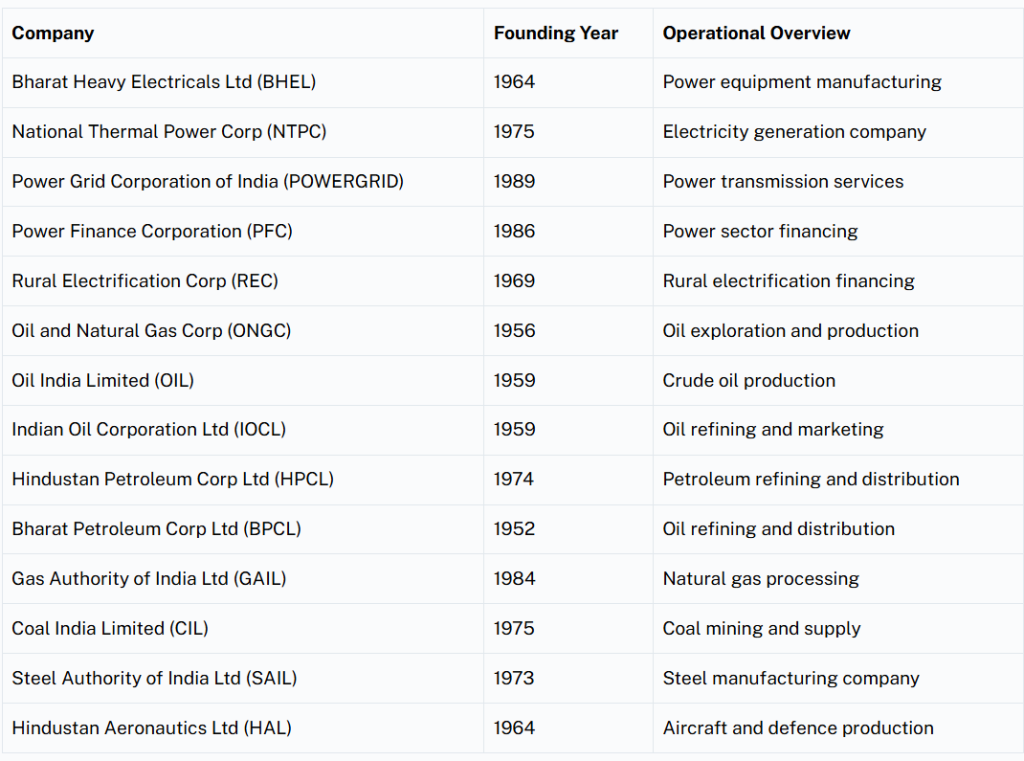
- By 2025, there are 14 Maharatna companies. Hindustan Aeronautics Limited (HAL) is the most recent one to get this status.
- To become Maharatna, a company must meet tough eligibility criteria. These rules look at net worth, turnover, and profit.
- With this status, the firms get more power with their money and daily work. So, they can make decisions faster.
- These companies help the Indian economy a lot. They build important infrastructure and create jobs for people.
Introduction
Have you ever thought about why some government-owned companies are so important? In India, the government puts its central public sector enterprises in several groups. The group with the highest and most well-known status is called Maharatna status. This is not given to just any company—it is for a small number of public sector undertakings that show great results.
To get this title, public sector enterprises must meet strict rules. They also need to get government approval. When a company gets Maharatna status, it can work not just in India, but also around the world.
Understanding Maharatna Companies in India
The Maharatna status started in 2010. It helps to pick the top central public sector enterprises. It lets these strong companies grow and give them more power. These are the big leaders of the public sector in India. They are known for their huge size and the way they help the country’s economy. The Maharatna status shows how these public sector enterprises do a lot for India.
The reason for this classification is to give these companies more freedom and control. With this, they can do better when they compete with big companies from around the world. They can also make faster choices about investments and grow their work without being watched all the time by the government. Now, let’s look at what makes a company a Maharatna and why this special status matters.
What is a Maharatna Company?
So, what is a Maharatna? A Maharatna company is at the top level in the Maharatna group of central public sector enterprises. It is one of the biggest public sector enterprises in India. These companies are known for being large, doing well every year, and having a big name in the market.
For a company to join this top group, it needs to first have navratna status. It also has to meet tough money rules. The rules are about yearly sales, net profit, and net worth for three years. Only firms that do well for a long time can get this name.
In the end, these are big public sector companies. The government has given them special powers. This shows they are strong with money and very important in their field. Because of this, they can put a lot of money into new projects. They can also look for more ways to grow without needing so much help from other groups.
Purpose of Maharatna Status in the Indian Public Sector
The Government of India made the Maharatna status to help large and successful public sector enterprises grow bigger. The main aim was to let these public sector companies work without having many limits, so they can do better and stand out in the world. Before Maharatna status started, even the biggest government public sector companies had things stopping them. This made it hard for them to keep up with other big companies across the globe.
When a company gets Maharatna status, the government gives it more say in its money and how it runs things. This lets them put money into big projects without too much trouble. They can also start joint ventures, get other companies, and do business in India or in other countries. They do not need a lot of government approval now, and there is much less paperwork. That’s how greater autonomy helps them grow.
This smart plan is meant to turn these top companies in India into strong global players. They now have more freedom to move fast when they see new chances in the market. This helps them come up with new ideas and grow bigger. It is not just good for the company. It is also good for the Indian economy as a whole.
Key Differences Between Maharatna, Navratna, and Miniratna Companies
The Indian government puts its public sector enterprises into three main groups. There are Maharatna, Navratna, and Miniratna. All of these are part of the public sector, but there is a big difference in how much freedom and power they have to run things and spend money. Maharatna companies are at the top. These companies get the most power from the Indian government.
After Navratna companies, there are Maharatna companies, which have more power than the others. Navratna companies have a good amount of freedom, but not as much as Maharatnas. At the base, there are Miniratna companies. These companies have very limited power on their own. This ranking creates a clear order among the companies. It is based on their size, how well they perform, and how important they are to big plans. Let’s take a closer look at what makes Maharatna companies special and how they are different from the other groups, like navratna companies.
Characteristics of Maharatna Companies
Maharatna companies have some key things that make them different from other public sector enterprises. The way these companies are made helps them work at a big level and compete around the world. These public sector companies are very strong and have shown they can do well at the top level.
To qualify, they must fit strict financial rules and show they have strategic skills. Here are the main things they need:
- High Financials: The company needs to show an average annual turnover of more than ₹25,000 crore in the last three years. It also needs an average annual net worth of over ₹15,000 crore for the same period.
- Significant Profitability: The company should have had an average annual net profit after tax of more than ₹5,000 crore in the past three years.
- Global Presence: The company must have a strong global presence and do business in other countries as part of its international operations.
- Greater Autonomy: They have greater autonomy, so they can make big investments and other key decisions without getting government approval.
This mix of strong money power and the freedom to run things is what makes a Maharatna. It helps their boards take quick steps in hiring people or in deals like joining other companies. This is why they stand out as top players in their industries.
Navratna vs Maharatna vs Miniratna – Comparison
When you look at public sector enterprises, there are three main types: Maharatna, Navratna, and Miniratna. The big difference between them is their level of financial freedom and how big their work is. Maharatna status is at the top. It gives the most freedom with money and how these companies can run.
Companies with navratna status play a big role too, but they have lower limits for spending money and a bit less freedom than others. Miniratna companies are smaller, but they also matter. These companies are important PSUs, but they have less power when it comes to money. This tier system helps the government control its many businesses in a good way.
Here is a simple way to show the main things that make financial autonomy different:
| Status | Investment Limit (Without Government Approval) |
|---|---|
| Maharatna | Up to ₹5,000 crore or 15% of their net worth in a single project. |
| Navratna | Up to ₹1,000 crore or 15% of their net worth in a single project. |
| Miniratna-I | Up to ₹500 crore or equal to their net worth, whichever is less. |
| Miniratna-II | Up to ₹300 crore or 50% of their net worth, whichever is less. |
Eligibility Criteria for Becoming a Maharatna Company
Not every company can become a Maharatna. The eligibility criteria for this are strict on purpose. This is so only the top and most worthy public sector enterprises get this status. The Department of Public Enterprises set these rules to keep the title important among public sector groups.
A company has to get Navratna status first. After that, it must be on an Indian stock exchange. Then, the company has to meet some strong rules for net worth, turnover, and net profit each year for three years in a row. Let’s see what financial and work steps a company must complete to meet these needs.
Financial Benchmarks Required for Maharatna Status
The financial benchmarks for maharatna status are in place to check if a company shows steady and strong financial performance. These are not just one-time wins. Companies need to prove that they do well for several years. This helps make sure they have the financial strength and stability to deal with big projects and work around the world.
A company has to meet these three things based on how it has done in the past three years:
- There should be an average annual turnover of more than ₹25,000 crore.
- There should be an average annual net worth of more than ₹15,000 crore.
- The average annual net profit after tax needs to be over ₹5,000 crore.
These numbers are set rules and there is no way around them. The bar is high for anyone to get into this group. If a company meets these goals, it shows the company is in good shape with money. A company must meet these levels before it can be thought about for maharatna status.
Operational and Strategic Parameters Considered
A company needs to do more than show good financial results. It must also meet some important rules about how it works and its future plans. These things help to see if the PSU is ready to use the benefits of maharatna status in the right way. One key rule is that the company should have a strong global presence.
This means the company must already do business in other countries. It should show it can work in many markets. This is important because one big goal of the Maharatna scheme is to help Indian companies grow bigger around the world. A company that only works inside India would not be able to join the scheme.
The company gets this status with the idea that it will use its new freedom to grow in smart ways. It can take on big projects by itself, start joint ventures with other groups, and even buy companies in other countries. It can do all this with less government approval. This will help the company get bigger and have more impact around the world.
Benefits Granted to Maharatna Companies in India
Getting Maharatna status gives a company many big benefits. The key plus is that it gets greater autonomy from the government. With this freedom, these top companies can act more like private firms. This helps them be more quick and more ready to take on others in the market.
This extra financial autonomy helps maharatna companies make big investment decisions on their own. They can grow and expand faster because of this. The benefits help these maharatna companies boost their work and build a strong spot in the global market. Let’s look at these advantages more closely below.
Government Support and Autonomy
The Maharatna status is important for public sector companies. It gives greater autonomy to these central public sector enterprises. With this status, maharatna companies do not have to wait for government approval in their main or daily work. Most public sector enterprises need to get this approval, but maharatna companies can act faster. Their boards can make choices and take action without delay. This helps them work well and respond to needs quickly.
This extra freedom helps them work better and change things when needed. Some key areas where they have greater autonomy are:
- Making choices about mergers and acquisitions.
- Setting up joint ventures and working together in strong partnerships, in the country and around the world.
- Making and filling jobs that are below the board level.
- Deciding on how to handle people in the company and plan for training.
This level of independence is very important for any large public sector company that wants to keep up in the fast-moving world market. It helps these public sector giants be able to change with the market, come up with new ideas, and grow without waiting because of too much paperwork.
Enhanced Powers in Investment and Expansion
One of the top benefits of being a Maharatna company is getting more control over making large investments. Companies in the public sector with this status can say yes to big projects on their own. They do not have to wait for government approval. This makes it much easier for public sector enterprises to grow and try new things.
A Maharatna company can put up to ₹5,000 crore or 15% of its net worth into one single project on its own. This gives it the power to act fast when making big plans. It does not matter if they want to build a new plant, buy a rival, or go to a new market. This freedom with money is a big plus for them compared to other PSUs.
This power to invest big and act fast helps Maharatna companies grab chances as soon as they come up. It lets them get stronger in India. At the same time, they can grow their international operations. This also supports the government’s wish to make champions in the public sector that stand out around the world.
Official List of Maharatna Companies in India 2025
The official list of Maharatna companies in India has some big names. Right now, this list includes Coal India Limited, Indian Oil Corporation Limited, and Power Grid Corporation of India Limited. All these companies have shown strong net worth and a good average annual turnover. They have helped the Indian economy in many ways.
You can also see Bharat Petroleum Corporation Limited, Hindustan Petroleum Corporation Limited, and Steel Authority of India Limited on this list of Maharatna companies. Each of these companies has greater autonomy. This means they can make more decisions on their own so they can work better in their own sectors. These Maharatna companies, like coal india, power grid, and steel authority of india, play a big part in India’s growth.
Updated Maharatna Companies and Recent Additions
Recent changes to the Maharatna category show that the Government of India wants to give more power to top public sector undertakings. Companies such as Hindustan Aeronautics Limited and Bharat Petroleum Corporation Limited have become even stronger. The two have shown good financial performance and are working more in global markets. With greater government approval, these public sector enterprises now have more autonomy. That means they can use their net worth and big annual turnover to take on new projects in other countries. Many of them are also working in renewable energy and are making their day-to-day work better and more efficient. This shift shows how the landscape for big public sector companies is changing every year.
Brief Overview of Major Maharatna Companies
The Maharatna list has some of the biggest companies in India. A lot of people know these names. They are a big part of India’s industry and energy. These companies help the country run every day. What they do can be seen in the lives of many people in India.
Each company is on top in its area. They have a big part in India’s growth. Some important names are:
- Indian Oil Corporation (IOCL): Indian Oil Corporation is the biggest oil company in India. It is involved in every part of the business, from oil and gas, to selling fuel to people.
- Coal India (CIL): Coal India is the largest company that produces coal in the world.
- Steel Authority of India (SAIL): Steel Authority of India is one of the biggest steel companies in the country.
- NTPC Limited: NTPC Limited is the country’s main power company. It works on creating and giving out electricity.
- Power Grid Corporation of India (POWERGRID): Power Grid is the company that moves most of India’s electric power across the nation.
- Bharat Petroleum Corporation Limited (BPCL): Bharat Petroleum Corporation Limited is a top company that sells fuel and makes oil for use in cars and homes.
These companies and the others in this list help a lot with building things like roads and bridges. They make sure that there is a steady supply of energy. They also play a big part in keeping other important parts of the economy running well.
Role and Impact of Maharatna Companies on Indian Economy
Maharatna companies are more than just their earnings. They play a big part in the Indian economy. These public sector undertakings are leaders who help shape our country. The work they do has an effect on many people.
They spend a lot of money to set up key structures the country needs. They help build large power plants and steel plants. They also lay down long energy pipelines. Many of their projects help different parts of India grow. They lay the groundwork to help industry rise in many places.
These companies are some of the biggest employers in the country. They create lakhs of jobs and help whole communities. The companies also play a big part in running important government programs like rural electrification. This helps bring development to even the most distant areas of India. Their work is very important to reach big national goals. They help with economic growth, creating more jobs, and making India strong and self-reliant.
Contribution in Economic Growth, Employment, and Infrastructure Development
Maharatna companies play a big role in India’s economic growth. They work on a large scale and make a lot of money for the country. They also keep putting money into new projects, which helps more factories and businesses to open around India. These maharatna companies help build the main roads, bridges, and other important parts of the country.
They help in many ways that are important for long-term growth. Their main impact is seen in these key areas:
- Infrastructure Development: They build and take care of key things like power lines, refineries, steel plants, and gas pipelines.
- Employment Generation: These companies give many people jobs. This helps families and keeps the society strong.
- Energy Security: Companies like ONGC, IOCL, and CIL make sure there is always enough energy. The country needs this for its progress.
- Supporting Government Schemes: These groups help make government plans happen. They work on projects like rural electrification and help more people switch to clean and renewable energy.
Through these efforts, maharatna companies do more than just help the country make more money. They also make life better for many people. The way they create jobs, build roads and bridges, and help give us enough energy is very important for India. We would not move forward as a country without the work of these maharatna companies.
Conclusion
To sum up, Maharatna companies have a big part in the Indian economy. They help a lot with growth, jobs, and building up things we need. If you know the eligibility criteria and the good things these companies get, it will give you better ideas if you want your business to reach that level. As we move toward 2025, it is important to stay up-to-date on the latest news in this sector. If you want to know more about how Maharatna companies work, or how they could help your business, you can reach out for a free consultation.
Frequently Asked Questions
What are Maharatna and Navratna companies?
Maharatna and Navratna companies are two types of central public sector enterprises. The Government of India has set up these categories for the public sector. Maharatna companies are at the top. They have the most financial autonomy in the public sector. Navratna companies are in the next group. They also have the power to make decisions, but not as much as Maharatna companies. These public sector enterprises play an important role for the government of India.
What are Maharatnas?
Maharatnas are top public sector enterprises in India. They have received maharatna status because of their high net worth and good profits. This status lets them put up to ₹5,000 crore into a single project without getting government approval first. Because of this, they can grow and compete with other global companies.
Which Maharatna PSU is the best and the worst?
It is not easy to say which Maharatna PSU is the best or worst. This is because it can change based on the metric you look at, like financial performance, market capitalization, or net profit for a year. Each company in the public sector does well in different things. Their performance also goes up or down because of market changes and what the government wants to focus on.
What is Miniratna, Navratna and Maharatna?
Miniratna, Navratna, and Maharatna show three levels for India’s public sector undertakings. The government puts them in these levels after looking at their financial performance and other eligibility criteria. Maharatna is the top level and has the most power to make decisions. Navratna comes next. Miniratna is at the bottom and has the least power.
What is the harsh truth about the Maharatna PSUs?
Maharatna PSUs have a lot of freedom, but they still deal with some problems. If they want to invest more than a set limit, they need to get government approval. This can slow things down. They can also face red tape and some influence from politics. All of this can make it hard for them to move as fast or make choices as quickly as private companies.
Which are maharatna companies in India?
As of 2025, there are 14 Maharatna companies in India. The list of Maharatna companies has many well-known names. This includes Coal India, Indian Oil Corporation, Steel Authority of India, ONGC, NTPC, and BHEL. These companies lead in their own fields. Coal India Limited is one of the top Maharatna companies. Indian Oil is also one of the biggest names. Many people look up to them.