
Key Highlights
Here is a quick look at the things we will talk about on oldest universities in India:
- India’s higher education system has some of the oldest universities in the world. Many of these started in the colonial time.
- The University of Calcutta and the University of Mumbai both began in 1857, and they still help shape modern education.
- These old educational institutions have given the country many leaders, Nobel laureates, and people who have made a big mark in learning.
- Ancient centers like Nalanda and Takshashila gave a base to the education system we use today in the Indian subcontinent.
- University rankings often show the good name and academic strength of these old and well-known universities.
Table of Contents
Introduction
Have you ever thought about where India’s higher education system began? The country has some of the oldest universities in the world. These places have been around for a long time and have always played a big role in higher education. Even though they started many years ago, the universities have kept their strong traditions and have also changed with time. A lot of the best minds in India have studied at these oldest universities. They still help guide the future today. Let’s take a look at these special places in the education system.
List of the 10 Oldest Universities in India That Are Still Functioning Today
India has a long and rich story in higher education. A lot of people know about old places like Nalanda and Takshashila, which set the way for learning. But the university system that you see now started to grow in the time of British India. Many colleges got their university status back in the 1800s and early 1900s. They soon became places full of ideas and thinking. Now, these schools mix that old feel with new needs in learning. You will also see their names show up often in university rankings.
From the buildings on their campus to the many well-known graduates, these oldest universities are more than just places to study. They show the rich story of India’s educational past. Even in the present day, they still give people many types of courses and help a lot with new ideas and research. Are you ready to find out which of these schools are still at the top in teaching and learning? Here are ten of the oldest universities that are still open now.
1. University of Calcutta (est. 1857)
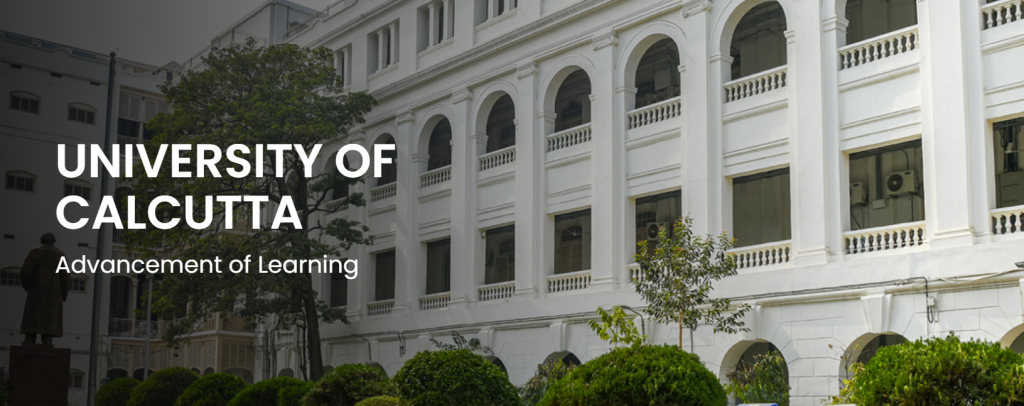
The University of Calcutta is in Kolkata, West Bengal. It was set up on January 24, 1857. This the first university of its kind in the Indian subcontinent. It brings together many subjects and styles. The university of calcutta was made like the University of London. Since then, it has helped spread new ways to learn in west bengal and the Indian subcontinent.
The university started out as a leader. It was the first one east of Suez where people could study European classics and English literature. Over the years, it has been home to several Nobel laureates, like Rabindranath Tagore, C. V. Raman, and Amartya Sen. This helped the university build a strong name for being very good in academics. It was also one of the first places in India to let female students join.
Today, the University of Calcutta has grown and now has 14 campuses. The central library has more than a million books. This is a great place for students and people who want to do research. The university has a “Five-Star” rank from NAAC. It is still one of the top educational institutions in India.
2. University of Mumbai (est. 1857)
The University of Mumbai started in 1857. This is the same year that the University of Calcutta began. The university of mumbai is a key part of India’s higher education system. It was one of the first three universities that the British set up in the country. The vice chancellor looks after the university and helps it grow. Now, the university has many colleges that work with it.
The university has many undergraduate courses in the arts, science, and commerce. People who finish high school can study several subjects here. They can do Life Sciences, Computer Science, History, or Geography. The university updates what it teaches to keep up with what students need today.
The University of Mumbai is recognized by the University Grants Commission. It is known for its high standards in academics. Students from all over the country come here to learn. The campus has a lot of history. A focus on good education makes it a busy place where people grow their minds.
3. University of Madras (est. 1857)
The University of Madras is in Chennai, Tamil Nadu. It started in 1857. It is one of the three oldest modern universities in India. At first, it was made to be like the University of London. The main work was to check the exams for colleges connected to it. Later, it became a place for teaching and research. Today, people know it as a respected university in Tamil Nadu.
The university is well known for its programs in both the faculty of science and social sciences. It stands out because it offers special courses such as a B.A. in Criminology and Police Administration. You can also study for an M.A. in Ancient History and Archaeology. The courses show that it offers many ways to learn and explore. The university’s research work has given a lot to various fields.
One thing that stands out about the University of Madras is the way it looks. The architecture is beautiful, and the historic Senate House is a big part of this. The Senate House is known for its Indo-Saracenic style, and many people think of it when they think about the university.
The University of Madras stays among the best schools in South India. The university keeps its strong name for good teaching and a deep sense of culture.
4. Aligarh Muslim University (est. 1875)
Aligarh Muslim University is in Uttar Pradesh. The school first started in 1875 as Muhammadan Anglo-Oriental College. Sir Syed Ahmad Khan founded it. He wanted to give modern education to the Muslim community and keep important Islamic values. In 1920, it became a central university.
AMU is a top residential university. Here, students from all parts of the country live and study together. The campus brings people together from different backgrounds.
The university has several groups, called faculties. The faculty of arts is one of the oldest at AMU. It is also known for being special with a rich past. The faculty of arts has helped shape what many people in the country think and feel about big ideas and leadership.
AMU has a big campus with many old buildings. These buildings show a mix of different styles of building design. The university gives students the chance to study many things. You can choose from areas like engineering, medicine, social sciences, and humanities. The place is still important for higher learning and research in India.
5. Banaras Hindu University (est. 1916)
Banaras Hindu University (BHU) was started in 1916 by Pandit Madan Mohan Malaviya. He was a great nationalist leader. This institute of higher education is in Varanasi, Uttar Pradesh. The main idea of the university was to mix traditional Indian values and religious studies with modern science. Even today, BHU follows this path of higher education in Uttar Pradesh.
BHU is one of the biggest places to study and live in Asia. The campus is very large and has many institutes and faculties. Students can choose from many courses. You will even find some special ones, like a Master of Arts in Museology or a Bachelor of Vocation in Agribusiness. The chancellor of the university plays a big role. He helps guide the teaching and daily work at BHU.
BHU is known for its nice campus and many departments. The university puts a lot of focus on research and complete education. Because of this, BHU is one of the top universities in India. Students and teachers come here from many countries. This makes BHU a lively place full of culture, knowledge, and new ideas.
6. University of Allahabad (est. 1887)
The University of Allahabad is often called the “Oxford of the East.” It was started on September 23, 1887. This makes it the fourth oldest modern university in India. In the beginning, it was an affiliating institution. Later, it became a teaching university. Allahabad University has given a lot to the country through its history of academic and intellectual work.
The university has helped many famous people do well in life. Some of these people have become Prime Ministers, chief justices in the Supreme Court, and known scholars. The university’s departments for arts, science, law, and commerce have been great for a long time. The place has also earned the name “institute of national importance.”
The University of Allahabad stands out because of its grand Indo-Saracenic building style and strong focus on learning. It is still thought to be a famous place to study. The university is known as a top national centre for learning. Students can pick from a wide range of courses here. It offers a place where people are free to ask questions, think, and talk about new ideas openly.
7. Osmania University (est. 1918)
Osmania University was set up in 1918 in Hyderabad. It was the first university to be made in the princely state of Hyderabad back then. At that time, it was different because the main language used in classes was Urdu. They also taught English. The university became a sign of how many ways of life and learning could come together.
Osmania University is now one of the largest university systems around the world. There are many colleges that are a part of it, and some are connected to it. Its Faculty of Law, Faculty of Arts, and College of Engineering are thought of as very good. The main campus stands out for its lovely buildings. A lot of people know about the Arts College building because of the way it looks.
Osmania University is still a big place for higher education and research in the present day. It helps students from not only Telangana and Andhra Pradesh, but also from all over India and the world. The university has changed with new ways of teaching but still keeps its strong history.
8. Punjab University, Chandigarh (est. 1882)
Punjab University opened for the first time in Lahore in 1882 when British India was in power. After India got split into two countries in 1947, the university started again in Chandigarh in 1956. The university has been in the region for a long time. It is known for helping people learn and for supporting research.
The university is recognized for having good programs in the sciences, humanities, and social sciences. It supports new ideas in learning, and has led the way in starting new courses and research fields. The campus was made by Pierre Jeanneret. It is well-known because of its organized layout and modern design.
Punjab University is one of the top educational institutions in India. The university always aims for the best in both teaching and research. Over the years, it has produced many well-known scholars, scientists, and public figures. It is still a leading place for higher learning in North India.
9. Visva-Bharati University (est. 1921)
Visva-Bharati University is in Santiniketan, West Bengal. It was started in 1921 by Rabindranath Tagore, who won the Nobel Prize. The university is special because Tagore wanted a school where people could learn about humanity without thinking only about nation or place. In 1951, the government made it a central university and called it an Institution of National Importance.
Visva-Bharati is known around the world for its strong programs in social sciences, fine arts, and humanities. The Faculty of Arts, called Kala Bhavana, is seen as one of the best art schools in the world. It helps people grow their creativity in a natural and open setting. The university believes that teachers and students should have a close connection for learning to be good.
The campus at Visva-Bharati feels like a work of art. It has open-air classrooms and large murals that look beautiful. In 2023, Santiniketan became a unesco world heritage site. This shows how important it is for both culture and learning. Visva-Bharati still stands for all-round education and for people to have freedom in art.
10. University of Mysore (est. 1916)
The University of Mysore was started in 1916. It was the first university set up in India that was not started by the British. It is the sixth university in India and was the first to open in Karnataka. The university was made after an idea from the Maharaja of Mysore, Nalwadi Krishnaraja Wodeyar, and his Diwan, Sir M. Visvesvaraya.
The University of Mysore is a well-known place for higher education in South India. It has played a big part in helping many people learn more and get their degrees. The university campus is called “Manasagangotri.” It is big and has a lot of trees and open space, so you feel happy and calm when you study there. The campus is a great spot for learning and growing. You will find many postgraduate courses here. The university is also known for its good research work.
The university has always done well in the National Assessment and Accreditation Council (NAAC) checks. This shows its strong focus on good education. The University of Mysore has a long history, and it is known for sticking to high standards in learning. Because of this, it is still one of the top places to study in the country.
Historical Significance and Legacy of Ancient Indian Universities
Long ago, before the idea of the modern university, there were great centers of learning in ancient India. Places like Nalanda, Takshashila, and Vikramshila were known for their high standards. People from many parts of Asia would come to study there. These places were not only for buddhist studies. They also taught science, medicine, and ways of thinking.
These old universities have a big legacy. They set up the first steps for how educational institutions in India would grow. If we understand what they did, we can see how deep the love for learning goes in the country’s ancient history. Let’s see how these places shaped education and still inspire people to learn today.
The Role of Ancient Universities in Shaping Indian Education
The ancient universities of India played a big part in shaping higher education. Takshashila, which has been around since at least the 5th century B.C., and Nalanda, active from the 5th to the 12th centuries A.D., were famous for what they gave to the world of learning. They made a new, organized way to learn, and this was seen as a bold move during their time.
These educational institutions gave a wide range of classes in different fields. They covered subjects like medicine, mathematics, astronomy, political science, and philosophy. This way of teaching helped people learn about many things, not just one area. The schools did not focus only on memorizing facts. They wanted students to debate, talk about ideas, and think deeply about what they learned.
This way of teaching, which looks at the whole person, gave a strong base for the next groups of students. Subjects like english literature came in much later. But the main ideas, such as wanting to know more and working hard in studies, were there from the start in these old schools. These values still shape how people in India learn today.
Influence of Nalanda and Takshashila on Contemporary Learning
Nalanda and Takshashila had an effect that goes past the old times. Even in the present day, what they left behind still moves schools around the world. These old universities focused on doing research, learning while living on campus, and working with people from other countries. Modern universities in India and the United States try to bring those same ideas into the way they teach and learn.
The new start of Nalanda University in the 21st century shows how important it was in history. Today, the university wants to bring back the feel of what the old place stood for. It puts focus on people learning many fields and working together with people from all around the world. Nalanda University now looks at parts of the old curriculum like buddhist studies, logic, and medicine to get ideas for its own lessons.
This revival shows that more people now value the teaching methods used by these old institutions. They worked hard to build a lively place for learning. They liked to bring in scholars from many places and backgrounds. Their way of asking questions and thinking deeply is still important in higher education today.
Major Contributions and Academic Highlights
The oldest universities in India are known for more than having a long history. They have a strong academic past with leading research and ideas. These places have been leaders in higher education in the country. They have created knowledge that helped shape both the nation and the world. Many of these universities have also been named as an institute of national importance because of how much they have helped people learn.
They have played a big part in pushing forward science and helping the humanities grow. Their work and achievements are big and important. Let’s take a look at some of the most important highlights in their academic life. We will also see the main subjects they have taught and the top things they did that people remember.
Notable Subjects and Courses Taught Over the Years
India’s oldest universities have a long history. They have always had a rich and wide set of courses that have changed to meet what people need. At first, these universities focused on the arts and humanities. Later, they started to offer programs in various fields. The Faculty of Science in the oldest universities was quick to grow. It became a strong place for research and new ideas from the very start.
Law, social sciences, and fine arts have been important parts of what these universities teach. A lot of these schools were the first in the country to start departments for these subjects. This helped to bring in a new group of people who work in these areas and those who come up with new ideas. Their way of teaching many subjects together is a big reason for their success.
Some topics that stand out, and are often the first of their kind, are offered.
- Criminology and Criminal Justice Science
- Ancient Indian History & Culture
- Defence and Strategic Studies
- Museology
- Disaster Management
Pioneering Research and Achievements
Research done at India’s oldest universities has made a big impact on the world of learning. These universities have been where many bright people worked, leading to big finds that got worldwide praise. Some people from these places even received Nobel Prizes. Their strong focus on research is why they often show up at the top in university rankings.
The work done by scientists like C.V. Raman at the university of calcutta and the plant studies at the university of madras are just a few examples of what they have given to the world. This strong push for research is still seen today. Many of these places are at the top in the national institutional ranking framework (NIRF) and do well in the institutional ranking framework.
These institutions help make a place where people can feel free to be curious and ask questions. This way, they can come up with new ideas in science, technology, and many other areas. Their hard work shows how they keep trying to grow what we know. They also work to fix big problems that people face every day.
Famous Alumni and Their Impact
The way people see how good a university is often depends on what its graduates do after they leave. The oldest universities in India have many people who went on to become leaders in many parts of life. Some of these notable alumni have been presidents and prime ministers for the Government of India. Some became chief justices in the Supreme Court. Their work and success show just how much they mean to all of us.
The University of Calcutta and the University of Allahabad have given the world many great people. These people have made a big difference in society and learning. Let’s look at some well-known names from these places and what they did for all of us.
Renowned Leaders and Personalities From Oldest Indian Universities
The alumni networks of the oldest universities in India feature some of the most important names in modern Indian history. These universities have helped many people who later led the country and gained worldwide respect. For example, the University of Allahabad has given the country several prime ministers. The University of Calcutta is known for having links with several Nobel laureates.
The list has freedom fighters, social reformers, scientists, and artists. These people shaped the culture and politics of the country. Each president of india, starting from Dr. Rajendra Prasad up to Pranab Mukherjee, has links with these well-known universities. Some were students, and some worked there as teachers. This strong line of leaders is an important part of their history.
Some of the most distinguished alumni include:
- Dr. Rajendra Prasad: He was the first President of India. He was connected to the University of Calcutta.
- Rabindranath Tagore: He got the Nobel prize and started Visva-Bharati. He was once a student at the University of Calcutta.
- C. V. Raman: He got the Nobel prize in Physics. He is linked with the University of Madras and the University of Calcutta.
- Shankar Dayal Sharma: He was the President of India before. He studied at the University of Allahabad.
Contributions of Alumni to Society and Academia
The notable alumni from the oldest universities in India have done a lot for both society and schools. In politics, many of them have reached top positions. They have played a big part in shaping the country’s plans and growth. A good number of these alumni have also worked with the Ministry of Education. Their work has helped decide how people learn in India for many years.
In schools and universities, these graduates stand out for their knowledge. They have started new schools, led important research, and written books that people read and study today. Their work helps everyone learn more and pushes many students to follow their own studies. Because of them, their schools have become a national centre for learning and new ideas.
Many of these alumni have done well in law, business, arts, and working for social change. They have started social justice movements, built strong businesses, and made art that stands the test of time. What they have done shows us how good the education at these schools can be.
Campus Features, Museums, and Cultural Heritage
The campuses of the oldest universities in India are just as old and important as the schools themselves. You can see amazing buildings, large libraries, and museums on the university campus. These places help keep the country’s past with us today. When you walk around a place like the University of Calcutta or Madras, you feel like you have gone back in time.
These features do more than serve a simple use. They are a big part of the university’s feel and what it stands for. The central library in each school usually keeps rare books and many collections. Let us look at some special building styles and other important items you can find on these old campuses.
Architectural Highlights and Historic Monuments
India’s oldest universities have buildings that mix colonial designs with local styles. Many of these old places are now seen as landmarks in their cities. The Senate House at the university of madras is a strong example of Indo-Saracenic architecture. The university of allahabad is known for its buildings with Gothic and Egyptian looks.
These buildings show how the university has changed over time. At the University of Calcutta, for example, the Darbhanga Building was built when more students joined and new departments started. Many of these universities keep their old look, but they also have modern things now to help students learn better.
Key features of these campuses include:
- Senate House: This is a main part of the Universities of Calcutta and Madras.
- Darbhanga Building: This old building stands at the heart of the University of Calcutta.
- Muir Central College: This is the key building at the University of Allahabad. It stands out for its Indo-Saracenic style.
- Arts College Building: This famous building is the main spot at Osmania University.
Museums, Libraries, and Preservation of Educational Heritage
India’s oldest universities play a big part in keeping the country’s learning past safe. The museums and libraries in these oldest universities help a lot with this job. The Asutosh Museum of Indian Art at the university of calcutta has many old items. You can see things from Bengal folk art here. These show people the area’s rich cultural history.
The central library at the University of Calcutta is full of knowledge. It has more than a million books, along with 200,000 journals and manuscripts. These collections help students, teachers, and other people find information. The library saves and shares many years of important learning and research.
Through careful work to keep things safe, these places make sure their history and culture can be reached by people in the years to come. These museums and libraries are more than places that store old things. They are active centers for learning that help and teach people every day.
Conclusion
To sum up, the oldest universities in India show a long and rich history. They still help shape how learning grows today. These places are known for their beautiful buildings and the notable alumni they have. Their work shows the lasting value of knowledge and learning. These universities have helped many people and keep making a big difference in society, research, and teaching.
As we look at what they have done, we should also think about saving this part of our history for the years to come. If you want to know more about the oldest universities and their notable alumni, feel free to get in touch for more help or questions!
Frequently Asked Questions
Which ancient Indian universities are still functioning today?
While old centers of learning like Takshashila are not around anymore, the idea behind Nalanda University has come back in the 21st century as a new and modern international university. But when it comes to the oldest universities that are still running in India’s higher education system, the University of Calcutta and the University of Madras in Tamil Nadu stand out. Both of these started in 1857. These schools have played a big role in shaping the education system in India.
How did the legacy of India’s oldest universities influence modern education?
India’s oldest universities have played a big part in how students learn today. These educational institutions started many ideas for higher learning. They set up research and ways to run a university. Their work helped set high goals that schools try to meet now. These goals are measured by the National Institutional Ranking Framework (NIRF). The NIRF, guided by the ministry of education, still uses these steps to help shape rules for colleges and schools in the country.




