
Key Highlights
Here is a quick look at the main things to know about india and the S-400 deal:
- India has bought five S-400 air defence missile system regiments from Russia.
- By 2024, three of these advanced air defence systems have reached india. They are now working.
- The Indian Air Force (IAF) is the main part of the air force that runs this missile system.
- The air defence systems are placed to guard the most important areas.
- The last two S-400 missile system units should come by 2025.
Introduction
Have you ever thought about what helps keep the skies in India safe? One key reason is the S-400 Triumf. This missile system is important for India’s air defence. The Indian Air Force uses this strong missile system. It helps protect the country from many aerial threats. The Indian Air Force can now make a strong shield in the air with this technology.
In this article, we will take a look at how many S-400 systems India has. We also talk about where these systems are placed and why they matter for Indian national security. This is a big step for the Indian Air Force and its goal to keep the Indian skies safe.
Overview of the S-400 Missile Defense System
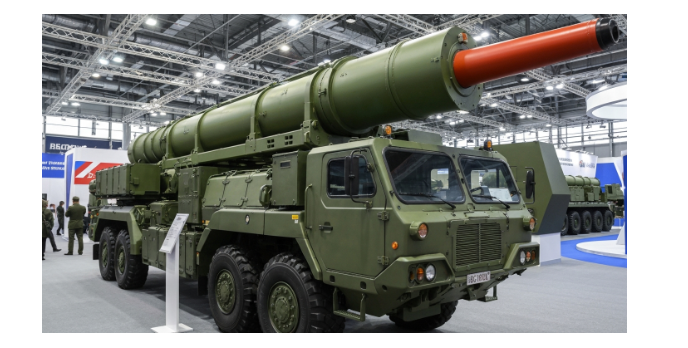
The S-400 Triumf is seen as one of the world’s top surface-to-air missile (SAM) systems. It is made by Russia for air defence. This system can find and take down many types of flying targets.
This system uses a strong radar setup to spot threats from far away. When it finds a target, it can send out several kinds of missiles to stop it. Some missiles have active radar homing. This lets them search for targets on their own and follow them. Because of this, these missile defense systems are very good at what they do.
Key features and capabilities of the S-400
The S-400 is well known for having very advanced capabilities. These make it the most important part of a modern air defence network. Its great power and the way it can be used for different jobs help it stand out from most other systems in the world. It will be used by many countries for their air defence now and in the future.
What makes it stand out? The S-400 has some strong features:
- Extended Range: The system can detect things as far as 600 kilometers away. It is able to hit targets in a 400 km range.
- Multi-Target Engagement: This can track and fight a large number of targets at one time, up to 80 of them.
- Versatile Interception: It can shoot down fighter aircraft, drones, cruise missiles, and also ballistic missiles.
- Layered Defence: The system uses four types of missiles. Each one is made for a certain km range and altitude. This gives strong, layered protection.
These features help the S-400 make a strong wall of defense over a big area. The system can fight different kinds of threats, like fighter jets and even stealth fighter jets. That is what makes the S-400 an important item for any army.
Global operators of the S-400 system
Russia made the S-400 and is still the main user of this system. But its advanced capabilities have made many other nations want it for their own air defenses. China and Turkey were some of the first countries outside Russia to buy the S-400.
India is the newest big country to get the S-400 system. This helps India be stronger in the region. Other countries, like Syria, have got the system too, but in other ways. More countries using the S-400 shows that it is one of the best air defense systems.
Here is a look at the main countries that now have the S-400:
| Country | Status |
|---|---|
| Russia | Primary operator with the largest inventory |
| China | First export customer |
| Turkey | NATO member operating the system |
| India | A key operator with five systems on order |
| Belarus | A close Russian ally and operator |
India’s S-400 Procurement Timeline
India’s plan to get the S-400 started with a step the Defence Acquisition Council took. This group, which is important for buying things for India, first said yes to getting the S-400. After this, India and the other country began important talks with each other. This careful move helped India move forward with its plan.
The deal was made official when Prime Minister Narendra Modi and Russian President Vladimir Putin met at a summit. A big contract was signed during this meeting. This important agreement locked in India’s order for five regiments of the missile system. Now, we will talk about the details of this order and where things stand with delivery.
Initial order and contract details
India and Russia signed an important agreement for the S-400 system in October 2018. India agreed to buy five full S-400 regiments from Russia. The contract was worth about Rs 39,000 crore, or around $5.43 billion. This became one of the biggest defense deals India made in recent years.
This contract between the two governments was completed when Russian President Vladimir Putin came to New Delhi. The deal went ahead even though there was a risk of sanctions. This shows how important the system was to India.
The agreement was managed by the defence minister’s office. It included not only missile systems but also training, support for moving things, and help with fixing technical things. This full package will help the Indian military use and keep the S-400 working well for many years.
Delivery milestones and current status in 2024
The delivery of the S-400 systems started in December 2021. By early 2024, India got three out of the five missile regiments. These units are now working and give a big boost to the air defence in the country. With this new support, the air defence capabilities of India are much stronger.
But the delivery schedule has run into some problems. The conflict in Ukraine has made supply chain disruptions worse. This has delayed the delivery of the units that are still not sent. Because of these things, the first plan for finishing all of the order has been pushed back a little.
Even with these problems, the delivery work called “Operation Sindoor” is still going forward. India and Russia are doing their best to fix payment and shipping problems. They want to make sure the rest of the systems are sent as soon as they can.
Timeline for remaining deliveries to India
Three out of five systems are now in India. The main thing to look at is when the last two will get there. The original plan was to have all systems in place by the end of 2023. But, the date has now been pushed back because of problems in the worldwide supply chain.
Right now, the expected schedule for the rest of the deliveries is by 2025. The fourth S-400 system should come in late 2024. The fifth and last unit will arrive in 2025. This plan can change if there are issues with payment or with getting the systems moved.
Both Indian and Russian officials say they will stick to the contract. The delay is not good, but the main goal is to give the Indian armed forces all five S-400 regiments. This plan is still happening.
Number of S-400 Units Delivered to India
Right now, India has three S-400 regiments. India ordered five of these regiments. All three regiments that India got are in use and part of India’s defence arsenal. These systems are working well and have been added into the larger defence network of the country.
The first three units are now here. This is a big step for India and its air defence systems. Two more units will come later. When they arrive, the first order will be done. You can read more about the air defence units that are working now and the ones that are coming soon below.
Confirmed S-400 systems in operation
As of 2024, three S-400 missile system regiments are now in use in India. The Indian Air Force got these units from late 2021 to early 2024. The air force was quick to set them up and use them.
The word “operational” means that the systems are working well and are run by trained Air Force people. These systems are not only installed but are also up and running. They connect to India’s Integrated Air Command and Control System (IACCS). This system is a key part of the country’s air defence network and helps the air force keep watch over India’s air defence.
This setup lets the S-400 work together with fighter jets, radar stations, and other missile systems. Right now, india has three S-400 units in use. This gives india strong defensive power. It also helps india watch and guard its airspace in a better way.
Units pending delivery and expected schedule
Two S-400 regiments still need to be sent to India. These are the last units from the five-regiment deal signed in 2018. The arrival of these systems has seen delays. The reason is there are some delivery and money problems from the changes in europe.
The delivery for these new systems will happen over the next year. The fourth regiment should be delivered by the end of 2024. They will get the fifth and last regiment by the middle of 2025. This plan will finish the contract on time.
Once these pending units get here, India will have all five S-400 regiments. The Indian Air Force can then set up an air defence shield. This shield will cover many important areas across the country.
Branches of Indian Armed Forces Operating S-400
The Indian Air Force, or IAF, is the main operator of the S-400 missile system in India. The Air Force takes care of the air defence of the country, so it makes sense for the IAF to use this missile system. People from the IAF have gone to Russia for a lot of training to know how to work with and keep the system in good shape.
The IAF is the main group working on this, but there are talks to add the S-400’s skills to all the different arms of the armed forces. The idea is to build a single air defence network that helps everyone, including the Indian Army. Now, let’s see what roles the different arms play when it comes to air defence and the network set up by the indian team.
Indian Air Force involvement
The Indian Air Force (IAF) is the only group in india that uses the S-400 missile systems. The IAF has the main job to keep indian airspace safe from aerial threats. The air force is in charge of this work, and they take care of all things that try to get into the airspace.
The IAF’s top team, with leaders like Air Chief Marshal AP Singh, helped bring in the new system quickly. The IAF is important, not just to run the S-400, but to blend it with India’s air defence setup. This means the S-400 system can now talk with other things, like fighter jets and planes that watch the sky. All these work together for a better and faster air defence.
By having control of the S-400, the IAF has greatly improved its air defence. This system is like a main controller for air defence. It can direct other tools and give long-range cover. Before this, they did not have this kind of protection.
Possible integration within other defense branches
The Indian Air Force is the main user of the S-400. But the S-400 is also important for the Indian Army. This system has a long-range radar and can launch missiles over a wide area. It helps keep army troops safe on the ground. The air force works with the army to use this technology in the best way for both. The indian air force and indian army both see the value in using this powerful system.
There are talks going on about how the S-400’s feed can be closely joined with the army’s air defence network. If they do this, other ground-based air defence systems will get warnings and targeting info early from the S-400. This will help to build a stronger and more solid air defence for the army. In the end, this is very important for how we handle war today in different areas.
This setup does not mean the Indian Army will run its own S-400 units. The Indian Army will use the IAF’s S-400 units for its own safety. Working together like this makes sure the S-400 helps every branch of the Indian military. All get the power of this system for their use.
Geographical Deployment of the S-400 in India
The way that S-400 units are placed holds great value for India’s safety. India has set up these systems in important spots to stop any threats coming from the west and north. These steps help guard key airspace and big Indian cities.
Some places in Punjab and in the western part of India will be the first to get the system. Also, there is one unit picked to guard the area around New Delhi. By placing the S-400 here, India makes sure it can protect important economic and military areas in Delhi, Punjab, and western India.
Regions and strategic locations of deployment
The way India has set up the S-400 is very important for making it work well. The country has picked the first three places for its S-400 units with a lot of care. This helps India build a strong air defence against the main countries it sees as a threat.
The places where work will be done show what matters most to the company.
- Western Sector: The air defence unit was first sent to the Punjab sector. This was to help the air force protect the area from the west, mostly from the pakistan air force.
- Eastern Sector: Another air defence unit is in the east. It covers the Siliguri Corridor and helps stop aerial threats that may come from the north.
- National Capital Region: A third system is also set up to protect Delhi and important places nearby. This helps guard the national capital against any aerial threats.
These placements are in Punjab, western India, and in the east. They help the S-400 protect important military and civilian sites. This action is a big part of how India works to keep control of its airspace.
Role of S-400 in India’s air defense infrastructure
The S-400 is not just a regular missile system. It is a big part of India’s air defence today. The main job of the S-400 is to stay alert for any incoming threats. It can find these dangers from far away and stop them before they get close to their target.
The S-400 gives a strong shield to India’s air defence. It protects against many types of aerial threats, including enemy aircraft and ballistic missiles. This system makes Indian air defence much stronger. It works with other systems to make a tight and layered shield. With the S-400, India’s air defence is well connected and tough to break.
The S-400 helps make India’s deterrence posture stronger. When this system is in place, it is clear that any enemy will have to think harder before they try to go into Indian airspace. This shows that India will protect its land and what belongs to it.
Significance and Impact of India Acquiring S-400
India’s purchase of the S-400 missile system is a big step for the security of South Asia. The advanced capabilities in this missile system greatly improve India’s air defence. This gives India an edge over others in the area. The move also helps India with strategic deterrence. With this, India can show strength and keep things stable in the region. The S-400 adds much to India’s air defence and power.
The effect goes beyond military gear. With the S-400 purchase, india shows it wants to make its own decisions in defense. When you look at india next to china, this deal helps india catch up to china’s strong air power. It also helps stop other countries from taking quick action against india. Having this system changes who holds power in the sky in the area.
Strategic advantages and regional comparison
The S-400 gives India some important benefits. It helps protect against aerial threats. These are air attacks that were hard for India to stop before. It also helps keep the country safe.
Some of the main advantages include:
- Anti-Access/Area Denial (A2/AD): The S-400 puts a large area where enemy aircraft and missiles cannot move around without trouble. It holds back what they can do in the air.
- Enhanced Deterrence: The system acts as a strong warning for both China and Pakistan. It makes any air attack from them much more costly and hard to pull off.
India plans to set up five new regiments for air defence. This is a strong move in the area. China has more S-400 and its own air defence systems. Still, with these new systems, India can keep up in important border places. Now, India has air defence power that is much better than what Pakistan has. If you compare with other leading countries like South Korea, the S-400 puts India in a small group that has the best long-range air defence systems.
Conclusion
To sum up, India’s acquisition of the S-400 missile defense system is an important step for the country. This system gives india much better air defense abilities. Some S-400 systems are working now, and more will arrive soon. Having these S-400 units in place adds big strategic advantages and will help increase national security. By using these systems in different parts of the armed forces, india makes sure its defense is joined together, getting ready for any dangers. As things change in the region, it will be important to keep track of how these S-400 units are used. This can help people understand what these moves mean for safety in the area. If you want to know more, or have questions about the S-400’s effect, feel free to ask.
Frequently Asked Questions
Has India faced any challenges in receiving the S-400?
Yes, India has had some troubles. The delivery of the S-400 is late because there have been supply chain disruptions and some payment problems. These issues are mostly from the fighting in Ukraine. Still, the delivery, called Operation Sindoor, goes on, and both countries try to fix these problems together.
What upgrades or variants of the S-400 does India possess?
The full details about the upgrades or different types of India’s S-400 air defence system are not shared with the public. Still, the deal has technical cooperation, so it is likely that India’s S-400 is set up with advanced capabilities made just for the Indian air defence needs. This means India may have one of the most modern S-400 systems in the world.
How does the number of S-400 missile systems in India compare to Russia and China?
Russia makes the S-400 air defence system. China was the first country, after Russia, to buy it from them. Both Russia and China have more S-400 missile systems in their fleets. But India has ordered five regiments of the S-400. This is a big step for India. It makes India one of the largest users of this advanced air defence system outside of Russia and China.




