
Key Highlights
Here are the main things you should know about the Vijayanagara Empire:
- The Vijayanagar Empire was a powerful force in south india for more than 300 years.
- Four large families ruled the empire. These were the Sangama, the Saluva, the Tuluva, and the Aravidu.
- Krishna Deva Raya is the most well-known leader from the empire. He is famous for his many victories in war and for his help to the arts and culture.
- Hampi was the capital city of the vijayanagar empire. This city was known for being big and beautiful.
- The way the empire was run used both central and also local control.
- The fall of the empire started after it lost a big fight called the Battle of Talikota.
Introduction
Have you ever heard about a strong kingdom that had a big impact on the history of South India? The Vijayanagara Empire, also called the Vijayanagara Kingdom, was very important from the 14th to the 17th century. The story of this kingdom is about strength, bright culture, and a lot of power. You can still see what the Vijayanagar rulers left behind in the grand ruins and lively traditions in South India. Let’s look at this interesting part of Indian history.
Origin and Establishment of the Vijayanagara Empire
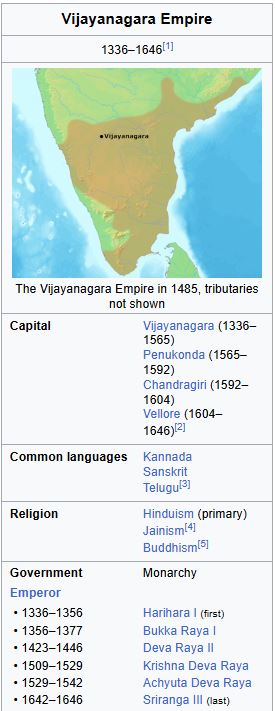
The Vijayanagara Empire was started in the year 1336 CE by two brothers, Harihara I and Bukka Raya. This kingdom was set up in the Deccan area. They made it a Hindu empire. The main reason to start the Vijayanagara Empire was to stop the Muslim sultanates from the north from taking over.
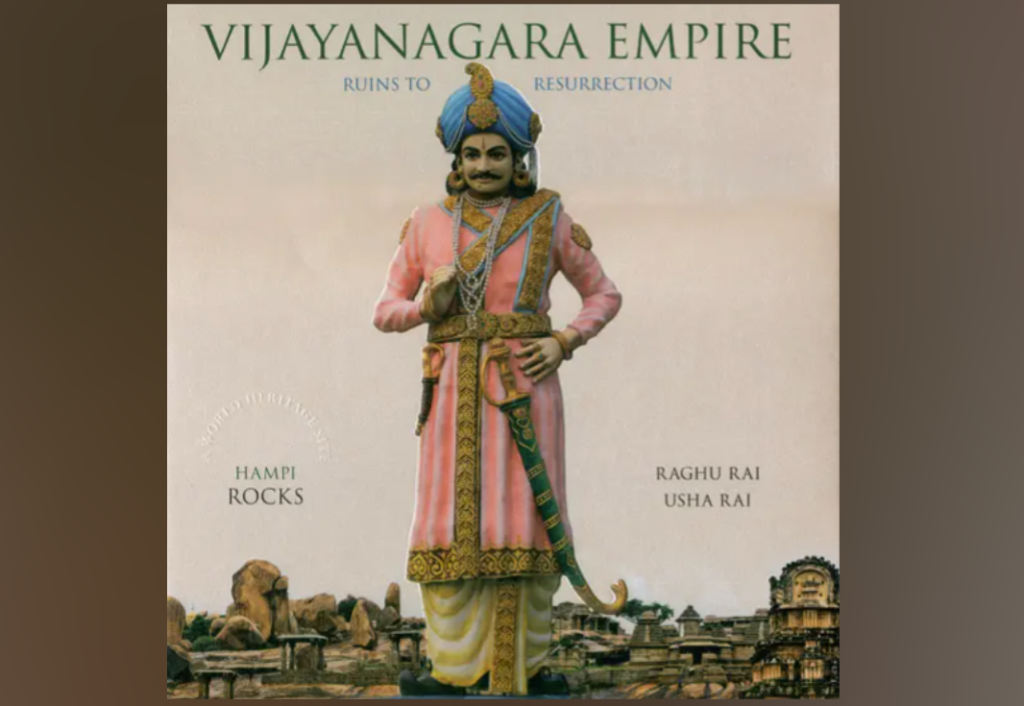
The founders of the empire had a dream. They wanted to protect and keep Hindu culture and traditions safe. Their work started something big in Indian history. It became one of the greatest kingdoms seen in South Indian history. Their actions shaped the way for many more years of change in culture and politics.
Historical context and need for the empire
By the end of the 13th century, south India had a lot of problems in its politics. There were many northern invasions, mostly from the Delhi Sultanate, as they wanted to take over more land. During this medieval period, the area was not stable. Many of the old southern kingdoms got weak and lost power.
The ongoing danger from the north made a big gap in power. There was now an urgent need for a strong and together Hindu state. People wanted leaders who would keep their land, culture, and way of life safe from anyone coming from outside. This need for safety was the main reason the empire started.
The Vijayanagara kingdom started in 1336 CE in south India. It became a strong center of resistance at that time. The kingdom brought together many small Hindu states and made a good defense. This stopped the north from coming down into south India and changed what would happen in the area.
Role of Harihara I and Bukka Raya in founding the kingdom
The Vijayanagara Empire was started by two brothers. Their names were Harihara I and Bukka Raya. At first, they were feudatories of the Kakatiyas of Warangal. Later, they worked in the court of Kampili. When Muhammad bin Tughluq took over Kampili, the two brothers were caught and taken to Delhi.
They went back to the south and worked as governors for the Sultan. But, Vidyaranya’s words made them change their minds. They said no to the Delhi Sultanate. The two wanted to start their own Hindu kingdom. Their wish was to protect the local ways and ideas. They were worried about the north’s sultanates trying to take over.
Harihara I and Bukka Raya started the Vijayanagara Empire together. Harihara I was the first king. Both of them led the kingdom and helped it grow. They brought their power closer and set up strong rule. Their rule of the Vijayanagara Empire was strong, and it shaped southern India for many years.
Geographical Location and Capital of Vijayanagara
The location of the Vijayanagara Empire helped it stay strong. The empire was in the Deccan Plateau in Southern India. It included places that are now called Karnataka, Andhra Pradesh, Tamil Nadu, and some parts of Kerala. The capital city of the Vijayanagara Empire was the grand city of Vijayanagara. Today, people know this place as Hampi.
The capital of the Vijayanagara Empire was in a prime spot. This helped the empire control key trade routes and good farmland. The capital of the Vijayanagara Empire was more than just a place to run things. It showed the power and success of the empire. People from many parts of the world came here.
Strategic position on the banks of the Tungabhadra River
The decision to set up the capital city next to the Tungabhadra River was a smart idea. The river acted as a barrier on one side of the city and gave it a good way to keep away attackers. This made it much easier to protect the city.
The area around Hampi has a lot of rocky hills and big stones. People used these rocks in the city walls and barriers. This helped make Hampi safe from attacks. The shape of the land was good for defense and gave the empire a big military edge. So, the land itself was like a part of the city’s protection system.
The Tungabhadra River was very important for more than just defense. The river gave water to many people in the city and for farms around it. This helped the capital to keep going and do well, even when there was a fight or war going on.
Hampi – the capital city and its importance
Hampi was not just the capital of the Vijayanagara Empire. It was the heart of its political, business, and culture life. As the capital city, this place was full of people and energy. Foreign travelers said it was big and grand, much like Rome. People from all over the world came to its markets. They traded gems, spices, and textiles there.
Hampi was important because it was a big religious center in south India. There were many temples, shrines, and royal buildings spread across the city. A lot of people came here for their religious journeys. The rulers put a lot of their money and time into building these amazing places. These buildings showed how much the people were devoted and how skilled they were in making art.
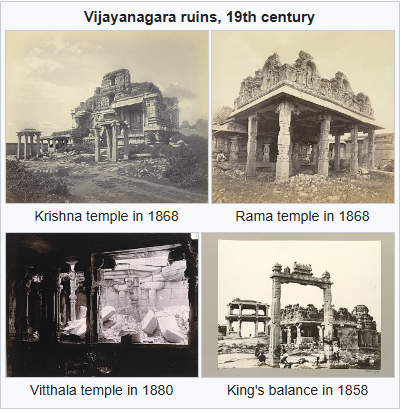
Today, you can see the ruins of Hampi as a UNESCO World Heritage Site. These old remains show us something about the great vijayanagara empire. The city’s old palaces, temples, and markets tell the story of its rich past. They show how important Hampi was in the history of this area.
Major Dynasties of the Vijayanagara Empire
The Vijayanagara Empire did not have just one family in charge. Over three hundred years, four big ruling families led the vijayanagara empire. These families were the Sangama, Saluva, Tuluva, and Aravidu dynasties. Each one gave the empire different rulers, and all of them made a big impact in their own way.
To really know how the empire changed, you need to learn about these four ruling families. The story starts with the founders of the Sangama Dynasty. It ends with the leaders of the Aravidu Dynasty. Here, you will read about the main people who shaped this strong kingdom.
The Sangama Dynasty
The Sangama Dynasty was the first to rule the Vijayanagara Empire. This rule lasted from 1336 to 1485. Harihara I and Bukka Raya were the founders of the empire. They were from this dynasty. The name of the dynasty comes from their father, Sangama. At first, they worked to hold on to power. They wanted to make the kingdom big and strong. Their aim was to grow its borders.
Under leaders like Deva Raya I and Deva Raya II, the Vijayanagar rulers made the army bigger and changed the way things were run. Deva Raya II is known for caring about arts and books. He also made the army stronger by hiring Muslim archers. Because of their rule, the empire got a strong base.
However, the later rulers of the Sangama Dynasty were not as strong. The sangama dynasty started to have many internal conflicts. There was also continuous warfare with the Bahmani Sultanate. This made it hard for them to keep power. In the end, this let the next dynasty take over.
The Saluva Dynasty
After the fall of the Sangama dynasty, the Saluva Dynasty took control. This change happened when Saluva Narasimha Deva Raya, who was a strong leader, took the throne in 1485. He wanted to keep the kingdom from breaking apart or being taken by outsiders. Many people say saluva narasimha deva raya helped bring back peace to the empire at a very hard time.
Saluva Narasimha was in power for a short time, but it was an important one. He worked hard to win back land that the empire had lost. He also made the army stronger. Saluva Narasimha stopped attacks from the Bahmani Sultans and the Gajapatis of Orissa. He showed that he was a strong and able leader.
The rule of the Saluva Dynasty did not last long. It ended in 1505. When Saluva Narasimha died, his sons were too young and could not keep power. A fight for power started after this. Their general, Tuluva Narasa Nayaka, stepped in and took charge as regent. Later, his son started the next dynasty. The story of the saluva narasimha, saluva dynasty, tuluva narasa nayaka, and narasa nayaka tells how things changed quickly in that time.
The Tuluva Dynasty
The Tuluva Dynasty ruled the Vijayanagara Empire from 1505 to 1570. Many people say this was the golden age of the empire. Vira Narasimha Raya started this dynasty. He was the son of Tuluva Narasa Nayaka, a strong general. Tuluva Narasa Nayaka, also known as Narasa Nayaka, was the main person in power near the end of the Saluva rule.
The most famous king of this dynasty was Krishna Deva Raya. He was Vira Narasimha’s younger brother. The empire was at its strongest when Krishna Deva Raya was in charge. There were big wins in war at this time. Art and literature also did very well. Achyuta Deva Raya was another key king who came after Krishna Deva Raya.
The Tuluva rulers made the empire bigger than ever before. They took control of almost all of south india. Their support helped art and culture to grow fast. Many well-known temples and buildings were made during this time. These places still stand today and show what the empire did in the past.
The Aravidu Dynasty
The Aravidu Dynasty was the last dynasty to rule the Vijayanagara Empire. It began around the year 1570. Its first ruler was Tirumala Deva Raya. He was the brother of Aliya Rama Raya. Aliya Rama Raya was in charge during the Tuluva period. He was also a leader in the famous Battle of Talikota.
After losing badly at Talikota in 1565, the capital city of Vijayanagara was ruined. Tirumala Deva Raya took the capital city and moved it to Penukonda. Later, he moved it again to Chandragiri. He tried to make the empire strong again. But the empire could not get back all its old power.
The rulers of the Aravidu Dynasty, like Sri Ranga I, had a hard time because the local leaders did not want to follow them and started to fight for their own power. They also had to face the growing power of the Deccan Sultanates. The last ruler of the Vijayanagara Empire was Sri Ranga III. After him, the power of this great state came to an end. The land and cities of the Vijayanagara Empire were slowly taken over by kingdoms around them.
Prominent Rulers of the Vijayanagara Empire
Many kings ruled the Vijayanagara Empire over the years. However, some leaders did more for the kingdom and its people. Who were the main rulers of the Vijayanagara Empire? There were kings like Deva Raya II, Krishna Deva Raya, and Aliya Rama Raya. Each of them faced different problems and found their own way to lead. These rulers, including Krishna Deva Raya, Deva Raya, and Rama Raya, helped shape how the empire grew and changed with time.
The reigns of these well-known rulers of the Vijayanagara Empire show us how it grew, reached its highest point, and then came to an end. The story moves from growth and support of culture to the last, important battles. Let’s see what each of these rulers of the Vijayanagara Empire did and how they helped shape its history.
Krishnadevaraya – reign and achievements
Krishna Deva Raya was the ruler of the Vijayanagara Empire from 1509 to 1529. Many people say he was the best king the empire ever had. His time as king was the high point of military power and cultural achievements for the empire.
Krishna Deva Raya was good at planning for war. He was also a smart leader in government work. He gave a lot of support to the arts and to writers. Because of what he did for the Vijayanagara Empire, Krishna Deva Raya is still known today for his strong rule and great cultural achievements.
During the rule of Krishna Deva Raya, the empire grew the most it ever had. It took control of almost all of south india. Krishna Deva Raya led strong fights against the Gajapatis in Orissa and the Deccan Sultanates. He made the empire’s borders safe and made its power stronger during his time.
He did more than just win on the battlefield. People called him ‘Andhra Bhoja’ because he helped Telugu literature grow. There were eight famous poets, known as the ‘Ashtadiggajas,’ who were in his court.
- He got big wins against the Sultans of Bijapur and Golconda.
- He asked for many temples and tall ‘gopurams’ (towers) to be built.
- He made irrigation better, which helped the farm economy grow.
- His changes to the way things were run made sure there was good rule all over the large empire.
Deva Raya II – expansion and challenges
Deva Raya II was king from 1424 to 1446. He was one of the best rulers the Sangama Dynasty had. During his time, the Vijayanagara Empire grew a lot. He made the empire’s borders reach the shores of Kerala. Deva Raya II also sent people out on a trip to Sri Lanka.
One important part of Deva Raya II’s rule was to make the military better. He saw that the Bahmani cavalry was stronger, so he started to bring in skilled Muslim archers and horsemen to his army. This decision made his army stronger and helped Deva Raya II stop many attacks from the Bahmani Sultanate.
Even though Deva Raya II had many wins, his time as king was not easy. He had to deal with continuous warfare against the Bahmani kingdom. There were also several rebellions within his own land. But Deva Raya II handled these problems. He still supported the arts and helped grow culture, which Abdur Razzak and other travelers noticed. Because of this, people remember Deva Raya II as a strong and powerful ruler.
Rama Raya and the Battle of Talikota
Aliya Rama Raya did not call himself king, but he was the real ruler of the Vijayanagara Empire in the middle of the 16th century. He acted as the regent for the last kings of the Tuluva dynasty. Rama Raya was smart in talking to others and planning battles. He often got the Deccan Sultanates to fight each other. This helped keep the Vijayanagara Empire strong.
But in the end, his plan did not work for him. The Deccan Sultanates got tired of the way he played politics. They stopped fighting each other and made a strong team to go against Vijayanagara. This set the stage for the big Battle of Talikota in 1565.
The battle was a catastrophic defeat for Vijayanagara. The combined armies of the Deccan Sultanates were too strong. They beat the empire’s soldiers. After this, Rama Raya was caught and killed.
- The battle was the starting point of the decline of the Vijayanagara Empire.
- The capital city of Vijayanagara (Hampi) was attacked and destroyed.
- The empire lost control from the center, and many local rulers said they were independent.
- This loss changed power in South India for good.
Administrative Structure and Governance
The Vijayanagar kingdom had an organized way to run the empire. The king sat at the top. He had full control over everything, including the rules, the army, and the court. The system used both strong central rule and gave power to local areas. A council of ministers helped the king with daily work. They gave advice and made sure that things in the state ran well.
This way of ruling helped the Vijayanagara Kingdom take care of a big and mixed land. The main points of its administration were clear. There was a good provincial system. The military had its own kind of land and job plan. There was also a set way to get land revenue.
Centralized vs. decentralized administration
The rule in the Vijayanagara Empire mixed strong control from the main government with some freedom for local leaders. At the top, the king had all the main power. He made all the big choices. A council of ministers worked with the king to help him. This group had top people like the prime minister, chief treasurer, and other important advisors. They helped run different parts of the government.
This main administration looked after big policies, deals with other countries, and the safety of the whole empire. It made sure there was some order and control from the main city. But, it was not possible to run such a big empire using only this central rule.
To deal with this, the empire set up a system where power was shared at the local level. Governors and local chiefs were allowed to have a lot of control over their areas. They just had to stay loyal to the king and pay their tributes. This mix of control from above and freedom for local leaders helped the empire stay strong and last for a long time.
Provincial divisions and the Nayankara system
A main part of how the Vijayanagara Empire worked was how it split the land into different provinces and used a special Nayankara system. The empire had many provinces. People also called these provinces Rajyas or Mandalas. Each one was divided into even smaller parts. This made it easier for the people in power to rule and look after things.
The Nayankara system played an important part in this setup. In this system, the king gave land, called amaram, to military leaders. These leaders were known as Nayakas. In return, the Nayakas had to keep a set number of soldiers ready for the king, pay a tribute every year, and take care of the rule in their areas. This way, the system helped keep the army ready and also made sure the local areas were well managed.
The empire used this framework to keep control of its large lands. At the same time, they let local leaders take care of things in their own areas.
| Administrative Level | Description |
|---|---|
| Rajya (Mandala) | The largest provincial division, governed by a royal family member or a high-ranking noble. |
| Nadu | A district or a subdivision within a Rajya, often managed by local chieftains. |
| Sthala | A smaller administrative unit, comparable to a sub-district. |
| Grama | The village, which was the most basic unit of administration with its own assembly. |
Taxation, law, and justice in the empire
The Vijayanagara Empire got most of its money from taxes. Land revenue was the main part of this. Farmers paid a tax on their land, which was usually one-sixth of what they grew. This amount could change if the soil was good or if there was water for the crops. Besides the land tax, there were also taxes on homes, products, and many types of jobs.
The law and justice system was set up using old Hindu texts and customs. The king was at the top as the highest court. What he said was final. He made sure that justice was given to all people in a fair way all across the empire.
Village gatherings and caste panchayats helped settle local disputes. At the regional level, governors and Nayakas also made decisions on cases and problems. The punishments for crimes were often tough because there was a need to keep peace and order in a big and diverse area.
Economy and Trade in Vijayanagara
The Vijayanagar kingdom had a strong economy. A big part of this was based on farming. People there used smart ways to grow crops and had many water systems to keep their fields watered. This helped them grow more food and other crops they could sell. Trade was also important to them and helped the economy grow. The land’s good farming and busy trade made sure there was plenty for people to use and sell.
The farming strength was at the heart of a busy business area. The markets in the empire were well known for being rich. A good money system helped a lot with trade inside the empire and with other places, too. This strong economy was one big reason for the amount of power and success the empire had over time.
Agricultural practices and irrigation
Agriculture was at the heart of the Vijayanagara Empire’s economy. The rulers saw how important it was. They put a lot of effort and money into making farming better. The land in South India was rich with water from big rivers like the Tungabhadra and Krishna. Because of this, people could grow many crops there like rice, cotton, and sugarcane.
A big reason for the good results in farming was the building of smart irrigation systems. The empire’s engineers and its leaders made many dams, canals, and big tanks. These large reservoirs stored rainwater and sent river water to the fields. One well-known example is the big tank made by Krishna Deva Raya near the capital.
These irrigation projects turned dry land into fields where crops could grow well. Farmers were now able to grow and harvest more than once each year. Because of this, there was extra food for the many people in the empire. There was also enough raw material for industries, and goods they could trade with others. This helped the economy to grow strong and do well.
External trade connections and thriving markets
The Vijayanagara Empire in south india was an important place for trade. The empire had a long coast and many ports. This helped the empire to do trade with other places outside the country. Merchants from the vijayanagara empire did business with Persia, Arabia, China, Southeast Asia, and even with European countries such as Portugal. This made south india very well known for trade during that time.
The markets in Vijayanagara were well known. The Persian ambassador, Abdur Razzak, and other foreign travelers talked about these places. They said the capital’s bazaars had many different things to buy. There were precious stones like diamonds and rubies. People also traded spices, cloth, and perfumes. The empire had strong trade ties with Sri Lanka. They mainly got pearls and elephants from there.
This growing trade brought a lot of wealth to the empire. The government made sure trade routes were safe and supported it through good rules for trade. Because of this, the economy was strong, and Vijayanagara became one of the richest empires in its time.
Role of currency and monetization
The vijayanagara empire had a strong money system to help its busy trade and growing economy. The rulers made many types of coins in gold, silver, and copper. People used these coins for buying and selling things, both in big markets and small ones. Gold coins were called Varahas or Pagodas. They were the best-known coins and used for big deals.
These coins would often show detailed designs. There would be pictures of gods like Vishnu and Shiva on them. You could also see strong animals like elephants and bulls. Because the currency became standard for everyone, trading got easier. Merchants from one place could do business with people from other places without any trouble.
A lot of people used money in the economy. This shows that the money system was strong. People did not just swap things to get what they need. They used cash to pay things like taxes, salaries, and for things they buy every day. This good money system helped the empire’s busy economy work well.
Culture, Religion, and Society during the Empire
Culture and religion stood at the heart of the Vijayanagar kingdom. The rulers supported religion, art, and literature in big ways. This helped culture grow strong in the empire. Hinduism was the main faith. It was a big part of people’s lives and the way the kingdom ran.
The empire’s society had many different types of people. It was full of life and had a great social life. During this time, there were many new things in fine arts, buildings, and music. Carnatic music started to show its modern form in this period. We will now see how fine arts, Carnatic music, and social life shaped the Vijayanagara experience.
Patronage of temples, art, and architecture
The rulers of Vijayanagara liked to build a lot and cared about the arts. Their time is known for a special way of making buildings. They took parts from many South Indian styles and put them together. The main thing they built was temples. They made a lot of new ones and also made the old ones bigger in many places in the empire.
One thing that makes their style stand out is the construction of tall Raya Gopurams. These are big entrance towers that you see at the front of the temple groups.
They also made large halls called mandapas. These halls have many pillars, and each pillar has carvings showing stories from myths. A few well-known examples with the construction of tall raya gopurams are the Vitthala Temple and the hazara ramaswamy temples in Hampi.
This support was not only about their faith. It was also a way to show power and wealth. The huge temples and art that were made at this time show the great skill in art and building that grew with help from the empire. They still have a strong effect on South Indian art today.
Role of religion and festivals in daily life
Religion was very important in the Vijayanagara Empire. The rulers were strong followers of Vaishnavism. Still, they were open to all types of Hindu beliefs and other religions. The rulers gave support to both Shaivism and the srivaishnavism of ramanuja. There were many temples built for both Vishnu and Shiva.
Religious festivals were marked by a lot of fun and show. The king often took part in these events. The Mahanavami festival lasted for nine days and was a very big event. Many people from other countries saw the festival and were surprised by how large and lively it was. These festivals were not only about faith. They gave people a way to meet, come together, and enjoy as a group.
For common people, religion was a big part of life. It shaped what they did each day. It also shaped how they acted with others and made choices. Temples were more than places to pray. They were also spots where people could meet, learn, and keep their money safe. This strong link between religion and daily life helped all the people feel they were part of one group. It gave them a bond that kept the empire united.
Diversity in language and literature
The Vijayanagara Empire was home to many groups and many languages. Because of this, books and poems grew in several South Indian languages. The rulers gave help and support to people who wrote and read in Sanskrit, Telugu, Kannada, and Tamil. This helped start a very good time for South Indian writing and stories.
Telugu literature was at its peak during this time. The court of Krishna Deva Raya was very well known. He was a great poet too. He wrote the famous work ‘Amuktamalyada.’ The court had the “Ashtadiggajas,” which means there were eight great poets. Krishna Deva Raya supported them and many others. Because of this, people called him ‘Andhra Bhoja.’
Kannada literature did well, with many works about religion, ideas, and even stories not tied to faith being written. The use of different languages showed the empire’s people were mixed, and it helped bring together south indian culture. This way of writing left behind by the empire is still seen as one of its best gifts.
Military Organization and Warfare
The military setup of the Vijayanagara Empire was key to its strength and growth. The Vijayanagara army was big and well-planned. It had many soldiers, horses, and elephants. The rulers kept changing their ways of fighting to keep up with strong groups like the Deccan Sultanates. They also used the new tech and new tools of war.
This strong vijayanagara army helped the empire keep safe and grow. It needed to protect its wide lands and attack when called for. What made the army work so well? A good army system, new tools, and strong forts. Their power came not only from their ways of living or trade but also from how tough their army was.
Structure of the Vijayanagara army
The Vijayanagara army had a clear structure for war. There were many groups in the army. A big part of it was the infantry. These were foot soldiers who came from many different backgrounds. The army also had a strong group of horse riders. They were known as the cavalry. There was also a group of war elephants. They acted like living tanks during battles. The vijayanagara army used all these groups to be strong in war.
A big part of the army came from the Nayakas through the Nayankara system. These local leaders had to keep a number of soldiers ready at all times. The king could call them for help during war. This way, the empire could get a large force together fast when it was needed.
The king was the top leader of the army. He would often go with his men to fight. Rulers like Deva Raya II knew it was important to make changes when needed. He brought skilled Turkish archers to make the army work better. This shows Deva Raya II took a hands-on and smart way to run his army.
Technological advancements and fortifications
The Vijayanagara Empire did not rely only on manpower. The rulers also used new technology in war. They saw that firearms and artillery were getting important. So, they started to add cannons and muskets to their army. They got help from experts from Portugal and other European places to train their soldiers in how to use this new technology.
Fortifications were an important part of their military plan. The capital city of Hampi was like a fortress. It had seven walls built around it, and hills and the Tungabhadra River helped protect it too. The empire also built and took care of big forts in several places. These forts worked as strong defense points and as centers for running things in the region.
These forts were great examples of military engineering. They were made, so they could handle long fights and stand strong. The walls of temples and royal areas, like the ones around the Hazara Rama Temple, were built to be very strong too. This showed how they mixed temple design and defense at the same time. The way they focused on defense was one of the big things the Vijayanagar kingdom did well.
Achievements and Contributions of the Empire
The vijayanagara empire did many big things in India. The marks they left can still be seen today. Some of their big achievements can be seen in South Indian art and building work. They made many strong and beautiful old temples and other buildings. They also made their way of ruling and running things very good and strong. So, the vijayanagara empire gave India some new art, grand temples, and a system of ruling that was well-made and hard to break.
The empire helped protect Hindu culture when there was a lot of outside pressure. People today can still see what it left behind in the beautiful temples. The people from the empire also wrote great books. It helped with schools and how people were ruled. Because of this, the region was shaped by the empire for many years even after it became weak.
Impact on South Indian art and temple building
The biggest thing we see from the Vijayanagara Empire is how much it shaped art and temples in South India. The rulers really liked and supported building. Because of this, a special and beautiful style of building grew during their time. This style put together things from the Hoysala, Pandya, and Chola ways of making buildings. It made something very grand and different.
The empire’s builders and artists got very good at making big and beautiful temple areas. The construction of tall raya gopurams became special to their style. These tall gateways showed the power and faith of the rulers. Even now, tall raya gopurams are one main part of many South Indian temples.
The way they paid attention to every little thing was amazing. The size of the temples was also impressive. This led to a great time for temple building.
- They made well-known temple sites like the Vitthala and Virupaksha temples in Hampi.
- The builders cut big stone pillars, like the musical pillars at Vitthala Temple, that show off their skill with their fine work.
- Royal spots like the Hazara Ramaswamy temples have many carvings. These carvings tell stories from old myths.
- The style used in these buildings spread to other parts of south india and changed the way people made temples for many years.
Advancements in education and administration
The Vijayanagara Empire was known for more than just art. The people of this empire also made great steps in education and how the empire was run. Most learning took place at temples and in mathas, or monasteries. These places were like schools. They taught many subjects. People there learned about the Vedas, logic, philosophy, the sciences, and other important topics. The work done in these centers helped the Vijayanagara Empire grow in many ways.
The empire had a very strong way to manage its work. The system mixed rule from one center and also allowed local people to have some control. The Nayankara system showed a new way to look after both a large area and many kinds of people. This way, those in charge stayed loyal to the main group. At the same time, they could also make things better in their own places. Other main groups in the area later started to use this system too.
Many foreign travelers wrote about the way their administration worked. The travelers said that the justice system was fair. They also wrote about the wealth in the cities. The travelers noticed that the whole state was very orderly. All these things came from having a government that was well-planned and worked well.
Decline and Fall of the Vijayanagara Empire
The Vijayanagar kingdom started to fall after the Battle of Talikota in 1565. The kingdom faced a catastrophic defeat from the combined armies of the Deccan Sultanates. The loss broke the main rule of the empire. After that, their great capital was destroyed.
The battle was the main turning point. But the empire started to fall apart also because of internal conflicts and the big ambitions of strong local rulers. The Aravidu dynasty kept the empire going for a few more years. Still, it could not get back its old strength or glory.
Events leading up to the Battle of Talikota
The events leading to the Battle of Talikota were shaped by change and the actions of many rulers. The man in charge of Vijayanagara, Aliya Rama Raya, was very good at talks and deals. For a long time, he used the fights between the Deccan Sultanates to keep his power strong. Aliya Rama Raya would get close to one and then the other so he could protect Vijayanagara and make it important in the area.
But after some time, this way of working made the Sultanates feel upset. They did not like that rama raya kept getting into what they were doing. The Sultanates started to feel that Vijayanagara was now a big problem for all of them. So, they decided to stop fighting with each other over their own internal conflicts. They came together to make a strong group against the empire.
The last push for the fight came from a fight over land and power. The combined armies of the Deccan Sultanates—Bijapur, Golconda, Ahmednagar, and Bidar—went south to face Vijayanagara. Rama Raya believed his army was strong, so he went out to meet them on the battlefield. This moment set up one of the biggest and most important battles in indian history. The story of rama raya and the combined armies of the deccan sultanates shows how much was at stake then.
Aftermath and legacy in Indian history
The Battle of Talikota had a huge impact. The capital city of the Vijayanagara Empire was looted and broken down step by step for many months. In the end, it was left in ruins. After this big loss, the main power fell apart. The decline of the Vijayanagara Empire could not be stopped.
After the empire fell, many former Nayakas chose to be free on their own. This led to the start of smaller kingdoms in the south. The political unity that Vijayanagara had given for many years was broken. This changed the political map of the Deccan for good.
The history of the Vijayanagara Empire still matters a lot, even though it had a sad ending. Why was the Vijayanagara empire important in Indian history? For more than 300 years, it stood strong as a center of Hindu culture. The empire helped keep and grow art, building styles, and writing at that time. Its way of running the land and handling soldiers shaped the rule of the states that came after it. The cultural achievements from this empire can still be seen in South Indian culture today.
Conclusion
To sum up, the Vijayanagara Empire is a big part of the long and rich history of South India. Harihara I and Bukka Raya started this empire. They built it to last. The land grew strong with smart trade, rich culture, and amazing buildings. The way the empire managed its land and army helped it stay powerful in the area. Even though the empire fell after the Battle of Talikota, the story of the Vijayanagara Empire still makes people feel proud and want to know more today. Take some time to read more about this story. You can learn how things from then can still shape our lives now and in the years to come.
Frequently Asked Questions
Who founded the Vijayanagara Empire and why?
The founders of the Vijayanagara Empire were two brothers. Their names were Harihara I and Bukka Raya. They started the empire in 1336 CE. This was in South India. The goal was to set up a strong Hindu kingdom. They wanted to keep the land safe from the northern invasions by the Delhi Sultanate. They also wanted to protect the culture and traditions in the region.
What made the Vijayanagara Empire important in Indian history?
The Vijayanagara Empire played a key role in Indian history. It was a strong shield for Hindu culture in South India for more than 300 years. The empire did great work in art, running things in order, and building temples. Because of this, it left a mark that is still seen in the culture and buildings of South India now.
How was the administrative system of the Vijayanagara kingdom structured?
The administration used both centralized and decentralized control. The king and his council of ministers were in charge at the top. The provinces were managed using the Nayankara system. In this system, military chiefs were called Nayakas. They looked after areas of land. In return, they gave military service and tribute to the king.




