

Key Highlights
Here’s a quick look at what this article covers:
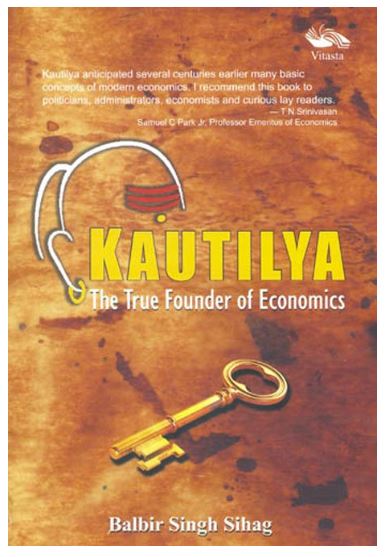
- Kautilya, who is also called Chanakya, is seen by many people as the father of Indian economics.
- He wrote an old Sanskrit text called the Arthashastra. This text is seen as one of the first important books on both political science and economics in India.
- In the Arthashastra, Kautilya explains several important economic principles. He talks about things like fiscal policy, international relations, welfare, and what duties a ruler should have.
- Kautilya’s work came before classical economics and offers a clear guide on how to manage the Indian economy.
- Many of his ideas are still important now and have an impact on economic studies and policies in India even today.
Table of Contents
Introduction
When you think of the father of Indian economics, you might think of Adam Smith for western economics. But long before him, there was Kautilya in India. He was a smart teacher, a sharp strategist, and an honest royal advisor. Kautilya played a big part in shaping the Indian economy and setting up how things would work. People look up to him even today for his deep wisdom about money, government, and how the Indian economy should run. His ideas still mean a lot to us now, thousands of years after his time.
Legacy of Kautilya as the Father of Indian Economics
Kautilya is often called the father of Indian economics. He is known for his practical way of running a state. Kautilya gave us a clear plan that shows how a government can make a country rich. He believed that people must have enough money and basics to be happy, and that is the start of a strong and stable society.
He also wrote about many topics and gave solid steps on how to manage money, take care of people, and work with other countries. All of these were meant to make the Indian economy better. Kautilya’s ideas on international relations are still well-known in India today.
He shared ideas about the economy that were way ahead of their time. The Arthashastra was not just a text on theory. It gave easy advice for rulers. It showed them how to use resources well, help trade, and look after their people. Because of this, Kautilya has a lasting name in history and is known for his pivotal role in economic principles. Now, we can look back to see his place in history and to learn how people have seen his ideas through the years.
Understanding Kautilya’s Place in Economic History
When you look at Kautilya’s role in economic history, you see how new his thoughts were. Most old Western thinkers did not trust business and trade. But Kautilya saw these things as what makes a country rich and strong. His book, the Arthashastra, is one of the most wide-ranging books on money and how people earn it. It stayed important for a long time, all the way until Adam Smith wrote “The Wealth of Nations” almost two thousand years later.\
Kautilya was different from others at his time. Many people then talked about ethics or questions about life and the world. But Kautilya put his mind to the science of wealth. He shared ideas we now find in classical economics. He spoke about why incentives are important. He also wrote about how trade is good and why it is needed to have good money plans. Kautilya gave us one strong way to understand how a country can make and keep wealth growing.
This way of thinking puts Kautilya in a special place in global history about the economy. He cared about real rules for running things and wanted to see the Indian economy do well. This made him stand out from many old thinkers. That is why people call him a true starter in the field of the economy.
Recognition Across Time: From Ancient to Modern India
Kautilya had a big impact on ancient India, but the Arthashastra, with all his great ideas, went missing for many years. In 1905, people found a Sanskrit writing on palm leaves again, and this text brought his smart thinking back for people in India. This find got a lot of interest from people who study or work in government, both then and now.
Kautilya’s ideas about running the state, collecting tax, and handling office work are still important today. He talked about keeping work clear for all, making tax fair, and building things for the people with the help of the state. This connects to what the Indian economy is looking for now. His views about national security and foreign policy also show deep thought and are read to understand how to deal with problems today.
As India has gone through many economic reforms, people often look at Kautilya’s ideas for advice about running the country and handling money matters. He is now seen as an important thinker. Kautilya started as a less-known figure, but today, his lessons still help shape what people say about India’s future.
Life and Times of Kautilya (Chanakya)
Kautilya, who many people also call Chanakya or Vishnugupta, was a smart indian thinker. He lived a long time ago, from around in the year 375 to 283 BCE. He was known to be a good teacher, writer, and royal advisor. He used his quick mind and strong plans to help shape the history of india. His story is famous because he helped end the rule of the nanda king and played a big part in starting the maurya empire.
Kautilya was an important person in history. He started out as a scholar who had been treated badly by others. Later, he became the prime minister of a large empire in India. His life was full of hard work and smart thinking. The things he went through helped him shape the way he thought about politics and money. Now, let’s take a closer look at his early days and see how he helped build one of India’s greatest empires.
Early Background and Rise to Prominence
Kautilya, also known as Chanakya, was born into the Brahmin caste. He was a well-known scholar and knew a lot about many things. A story says that the powerful Nanda king, who ruled much of the Indian subcontinent, insulted him. Because of this, Kautilya wanted revenge. He then worked to bring down the Nanda dynasty.
While he was planning his revenge, he met a young boy named Chandragupta. Kautilya was impressed by how the boy could lead others. He decided to teach Chandragupta. He wanted the boy to grow up and be a good ruler. Kautilya hoped his student would build a place where people could feel safe and do well. This time of learning was very important, as kautilya saw Chandragupta as someone who could turn disorder into order.
His ideas were based on something much like the idea of the state of nature. He thought life with no fair leader was the same as living by jungle rules. He said people make a deal to follow someone and pay taxes. In return, they get safety and order. This belief is a key part of his thinking about how politics and money should work.
Role in the Mauryan Empire and Relationship with Chandragupta
Kautilya played a big role in Chandragupta’s success. Both of them joined hands to build an army. They took down the Nanda king together around 321 BCE. This led to the start of the Maurya Empire, which became strong and new at that time. Chandragupta was made the king, with Kautilya as his prime minister. The Maurya Empire grew quickly with both of them leading the way.
Under Kautilya, the maurya empire set up a strong system for money, rules, and safety. The maurya empire grew because people traded, farmed, and did business well. Kautilya made sure all things followed simple rules that he later wrote down in his famous book. He did not just give advice. He helped build the whole set-up of the maurya empire.
One important part of his advice was to have a practical way for foreign policy. Many people call this realpolitik. Kautilya thought the leader should use any way needed to keep the state safe and strong. This means he was open to using things like spying and spreading information to help the state. Kautilya’s clear view on international relations helped him become a smart planner, and it also kept the empire’s borders safe.
The Arthashastra: Pillar of Indian Economic Thought
The main reason people know Kautilya is because of his famous book, the Arthashastra. This text is old and written in Sanskrit. It is not just a book about politics. The name of the text means “the science of wealth” or “the science of material gain.” It tells you how to build and run a rich state. The Arthashastra is a very important part of Indian economic ideas.
The Arthashastra explains Kautilya’s economic principles. It talks about many things, like money rules, taxes, people’s needs, and plans for war. The book gives a clear way to manage the Indian economy. It focuses on doing things well, being fair, and making sure people are happy in their lives. Let’s look at how it is set up and the big ideas about the indian economy and kauilya’s economic principles inside it.
Overview and Structure of the Arthashastra
The Arthashastra is a big work that shows Kautilya’s wide knowledge. This text is written in Sanskrit. It is set up carefully to help a ruler lead well. The book talks about how to run a state, what army plans to use, laws to follow, ways to handle money, and look after public work. It gives a full picture of how to govern.
The text is set up in a way that makes it easy to read and use. There are 15 book titles, 150 chapters, and 180 topics. This setup helps you find help for almost any part of running a state. Kautilya talks about many things, like how to build forts and how to deal with trade from other lands. He gives tips and advice that are easy to follow and use.
This text from India shows that Kautilya was more than just someone who read and wrote. He was not only good with ideas. There are many old forts and buildings in India that look like the ones in Kautilya’s Arthashastra. This shows he knew a lot about real life, too. The text was made to help leaders rule in a good, strong way and be successful for a long time.
Key Economic Principles Outlined in the Treatise
The Arthashastra says that the “science of wealth” is the key to a good and strong society. Kautilya thought having enough money and things is most important, because spiritual good and the joys in life come from it. He said the main job of a king is to help the economy grow and to make sure his people do well.
One main idea in the book is the idea of a social contract. Kautilya wrote about the duties of a ruler, saying a good leader will give help to the helpless and make sure people get justice. In return, people are asked to pay taxes. If a king does not do his duties, he goes against this agreement. Kautilya said, “In the happiness of his subjects lies his happiness.”
Key economic principles in the Arthashastra are:
- Effective Fiscal Policy: A tax system that covers many things, but it does not make life hard for people. The state collects tax gently, like a honeybee, so people and businesses can keep working and growing.
- State-Managed Infrastructure: The state has a job to build roads and clear away things that block the way. This helps trade and business to grow.
- Regulation and Justice: The state must make sure trade is fair. It protects people’s property and punishes people who are corrupt, so there is order.
- Welfare Provisions: The state gives care to people who are old, sick, without parents, or women and children who cannot help themselves.
Major Contributions to Indian Economics
Kautilya gave some big ideas to Indian economics. He had a clear way to manage the state and help create wealth. He was one of the first to say that a country can only be rich if there is good government, fair rules, and a strong economy. His economic principles showed people how to help a nation grow and stay strong.
Kautilya supported rules that helped trade, protected people’s things, and made sure the government was fair. In doing this, he set up a way of thinking that was far ahead of his own time. His ideas were not just theories. They were real steps that leaders could use to make the Indian economy stronger. In fact, Kautilya talked about economic reforms before there were any modern ideas about it. Let’s now look at what he said about money matters and trade.
Fiscal Policy and State Governance
Kautilya had a deep knowledge of money planning for the state. He said that tax rules should be fair and simple. Kautilya thought taxes must match what people earn or own. There should be no taxes for students, people who are sick, and widows. This way, the state can get money but not make life too hard for the people.
Kautilya believed that good state governance needed a strong and open system. He saw that when leaders do the wrong thing, it can hurt the economy. Kautilya made a list of 40 ways workers might steal money. To stop this, he told leaders to keep good records. He wanted those who broke the rules to feel shame in front of people. Kautilya also said using spies to find problems was a good way to fight waste.
His view of the indian economy was simple. He thought the state should help keep order and help growth. At the same time, he did not want the government to get too big. He said a king should not spend more than a quarter of his money on running the state. This idea of keeping the state strong but also letting people be free in the economy was at the center of his thinking about the indian economy.
Trade, Markets, and Regulation Ideals
Kautilya saw that strong trade and busy markets were needed for a good indian economy. He told leaders that they should help business by taking away things that got in the way. He also said they should put money into things for the people, like building roads. For kautilya, it was best for the state to help with trade without trying to control every part of the indian economy.
He thought the state should watch over things, but not step in and control markets unless there was a big problem, like a famine or a war. He wanted rules that help keep things fair and steady. This means making sure people’s property is safe, contracts are followed, and tools used to measure and weigh things are correct.
Kautilya’s ideals for trade and markets included:
- Facilitating Commerce: The state should build roads and other things people need. This will help make trade easier for everyone.
- Fair Regulation: The government needs to watch over the markets. It should make sure people act in an honest way, but it should not try to control too much.
- Promoting Peace: He liked peace more than war. Peace is good for the people. Peace helps the economy grow and lets everyone do better.
Kautilya vs. Other Figures in Indian Economic History
While Kautilya is known as the father of ancient Indian economics, there are many other important people in the history of economic thought. When we look at Kautilya and compare him to adam smith, we see how Kautilya came before western classical economics by many years. He talked about the key things that help a state grow and do well.
Today, people give the name “father of indian economic reforms” to P.V. Narasimha Rao. He was the one who led the big economic changes in india during the 1990s. Knowing how rao and the earlier leaders are different helps you see what each one did for the country’s growth. Let’s look a bit closer at what rao did and how these economic reforms changed india.
Comparing Kautilya with P.V. Narasimha Rao
The titles ‘father of Indian economics’ and ‘father of Indian economic reforms’ are given to two people from different times in India. Kautilya is known as the ‘father of Indian economics’. He got this title because he put together the main ideas and rules for economic thinking and planning in old India. His work set up many of the first principles for running a good state economy.
P.V. Narasimha Rao is often called the father of Indian economics reforms. He was the prime minister of India in the early 1990s. At that time, the country was facing big changes. Rao made new policies for the Indian economy. He wanted to move it away from rules set by the state and let more people and ideas come in from around the world. His work was quick, needed, and changed a lot for us. Rao’s steps opened up the world for the Indian economy and helped it to grow.
The big difference between Kautilya and Rao is in what they focused on and the time they lived in. Kautilya was the one who gave the basic ideas about running a country long ago. Rao worked much later. He changed and improved the economy after independence.
| Feature | Kautilya | P.V. Narasimha Rao |
|---|---|---|
| Title | Father of Indian Economics | Father of Indian Economic Reforms |
| Era | Ancient India (c. 3rd Century BCE) | Modern India (1990s) |
| Contribution | Authored the ‘Arthashastra’; established foundational principles of statecraft, fiscal policy, and administration. | Initiated the 1991 economic liberalization, dismantled the License Raj, and opened India to foreign investment. |
| Focus | Building a stable and prosperous state from the ground up through systematic governance. | Reforming a state-controlled economy to address a crisis and spur rapid growth. |
Influence of Modern Indian Economists
Beyond Kautilya and former prime minister P.V. Narasimha Rao, there are some other modern Indian economists who have changed the country’s economy in a big way. Amartya Sen stands out as one of the most well-known. He is a Nobel winner. Sen’s work on welfare economics and social choice theory has changed how people see the problems of poverty, justice, and development, not just in India but around the world.
Sen talks about what people can do and how they feel. This has shaped many ideas for social justice and public health. He says development in a country is not only about GDP. It should be about people’s freedoms and the chances they get. Because of this, many now plan the economy in a more complete way in India and other places in the world.
These new thinkers still use smart ideas to fix economic problems, just like Kautilya did a long time ago. The things they do help shape today’s talks about economic reforms and social policies under PM Narendra Modi. This helps keep India moving forward with careful and caring thinking.
Enduring Impact on Contemporary Economic Studies
Even after thousands of years, Kautilya’s Arthashastra still shapes how people study the economy today. When it was found again, it gave scholars a lot of old wisdom. It shows a different view on how to run government and money matters, not just the Western way. The ideas of Kautilya are not just old history. People still talk about what they mean for us now.
Kautilya gave many useful ideas about tax, how to run things, and foreign policy. These ideas can help people handle the indian economy in the world today. Because of this, many indian schools teach about him when it comes to economics. This way, students get to know why he is important. Let us see how his thoughts fit with today’s rules and his role in indian education.
Relevance of Kautilya’s Ideas for Today’s Policies
The ideas of Kautilya are still important today, mostly when we talk about the indian economy. He said that it is good to collect taxes, but this should not hurt the way people do business. This point about spending money the right way is one that leaders everywhere still think about. Kautilya also said that there should be a small, strong, and clean way to run things, without people using power for themselves. This is something every new government in india and around the world wants to do.
His ideas about national security and international relations are still read by people who make plans today. Kautilya saw that a strong economy is the key to keeping a country safe. He said that if a country does well with money, it can pay for its army and guard its needs. This is still important in the way the world works now.
Kautilya’s ideas feel modern even today. He talked about building good roads and buildings so trade can happen easily. He wanted people in the country to feel safe and protected, too. He also said it was important to help those who need it the most. This shows how Kautilya connected money matters with national security and caring for people. His ideas can still guide us now and help people who make laws do a good job.
How Kautilya is Taught in Indian Economics Curricula
Chanakya is still remembered and read about in modern India. In many Indian colleges, students study his work, the Arthashastra. This text helps people understand how Indian government and economy worked in the past. There are schools and universities that teach his ideas in courses like public administration, ancient history, and economic policy.
For students who are getting ready for exams, Kautilya comes up often. He is an important figure to know. Sites like Testbook give you study materials, and there are questions about him in both test series and previous year papers. This helps many people learn about why he matters.
Kautilya’s ideas are a part of many lessons in schools and colleges. There are several ways that teachers use his teachings in class.
- It is seen as a main text in Indian political and economic teaching.
- People use it for case studies about old statecraft and how to manage money for a state.
- It comes up when people talk about strategy and foreign policy.
- It is an important topic for general knowledge in civil services and other government exams.
Controversies and Debates Over Kautilya’s Title
Many people call Kautilya the father of Indian economics, but there is some debate about this title. The name is often a symbol, and some people feel a different person should be seen as the main starting figure. Some of the debate comes from the way people see Indian economic history, and how they even explain what “economics” means.
People often talk about Kautilya by comparing what he did with what other big thinkers did. Some look at old thinkers, while others look at people from the present. By looking at what people said in the past and how they showed these differences, we can get a better sense of Kautilya and where he fits in the story of economic thought. Now, let’s look at these different points of view.
Historical Arguments and Alternative Views
Kautilya has a strong place in history. But, some people see things a bit differently. The big argument is not to lessen what Kautilya did but to talk about how to look at his work. Some writers feel the Arthashastra is mostly a text on running a state and handling politics. Economics is just one part of it. They ask if it should really be seen as a text about just economics in the way we think about it now.
Another thing people talk about is how he is compared to people like Adam Smith, who many see as the “father of economics” around the world. Smith’s work set up a system that helped start modern economics, with a focus on markets. That is why some people feel we should look at the title “father of Indian economics” based on history. We need to keep in mind that Kautilya was an early leader in political economy, but what he did is not quite the same as what we now see as economics today. This is important when we use the words father of Indian economics.
In the end, these talks are more like learning than ignoring anything. There is no real question about how much Kautilya gave to Indian ideas. People mostly talk about the small details of what he left behind and what it means to be someone so important in a field that has changed a lot over the years.
The Distinction: ‘Father of Indian Economics’ vs ‘Father of Economic Reforms’
It is important to know the difference between the ‘father of Indian economics’ and the ‘father of economic reforms.’ These two names are for different people, and they did important things at different times in Indian history. Kautilya is called the father of Indian economics. He set up the first rules on how a state’s economy should work in ancient times.
The second title, ‘father of economic reforms,’ goes to a modern leader, P.V. Narasimha Rao. He did not start the economic ideas from zero, but he changed what was already there. In the 1990s, Rao broke down many old socialist plans. He opened the indian economy to the world. This action started a new time of growth for the indian economy.
In short, Kautilya is the old thinker who first talked about how to run a good economy. Rao is the one in our own time who made a big change with his policy work. Kautilya gave us the first ideas. Rao made things change for real. Both Kautilya and Rao had a pivotal role in shaping things, but they did it in their own ways.
Kautilya in Popular Culture and Public Memory
Kautilya is not just a figure from history. He has a big place in India’s culture and in the minds of the people. Many know him as Chanakya. People often speak of him when they think of a sharp mind, smart planning, and strong will. His name means being clever in politics and having good sense that works in real life.
This image has grown stronger through the use of the media, books, and teaching in schools. In today’s indian society, many people still feel moved and guided by what he did in the past. People know his name and his story in almost every home. Let’s look at how people talk about him and what he stands for.
Representation in Literature, Media, and Academia
In books and shows, Kautilya is shown as a great planner and thinker. Many people say he was the main person behind making the Maurya Empire strong. Kautilya is known as the Indian kingmaker who could beat any rival with his mind. A lot of stories, TV series, and plays tell about his efforts to remove the Nanda rulers and start the Maurya Empire. These stories help people see him as a clever and strong Indian leader.
Academia, however, puts more focus on the deep ideas in his work. Scholars study the Arthashastra to learn about public administration, economic policy, and international relations. In the academic world, Kautilya is seen as a leading thinker. People feel his ideas were far ahead of his time, even by thousands of years.
Kautilya is seen in two ways. In popular media, he is smart at making plans. In academic circles, he is respected for his great ideas. This makes him known in many ways. People read about him as a person in stories or as the writer of an important text. Because of this, his memory and what he did still matter today. New generations get to learn about pain and his work.
Symbolism and Influence in Indian Society
In Indian society, Kautilya is seen as a strong symbol. When people hear his name, they think of his deep and practical wisdom, called ‘Chanakya Niti.’ This is a well-known group of simple ideas on how to live a smart and good life. Many people talk about it and use it in their lives. It has a big effect on how people act at work and at home. People remember him as a wise man who knew a lot about how to be successful in the world.
This idea is used in politics and business as well. Leaders are often told to follow a “Kautilyan” way of planning. This means they need to be smart, think ahead, and be ready to make hard choices for what is best for all. He stands for the thought that using your mind and having a plan are the best ways to reach your goals.
Kautilya has a big role in Indian life. He has shaped many things that we see today in Indian society. His ideas still guide the way people think and act. You can feel his influence in the way things are done in India now.
- A Symbol of Pragmatism: He is known as someone who understands the real world and knows how to use power in a good and smart way.
- An Icon of Nationalism: Many people feel proud that he helped bring the Indian region together under the Maurya Empire.
- A Source of Timeless Wisdom: The things he said about right and wrong, money, and government still help people in their lives today and are useful for us.
Conclusion
Kautilya is often called the father of Indian economics. He has made a lasting impact on the economic world in India. His ideas shaped both ancient and modern India. His important work, the Arthashastra, helped people understand how to run a state, trade, and set rules about money that still matter even now. When we think about the tough parts of economics today, Kautilya’s thoughts can still help. His rules show us good ways to manage the country and set up market rules. You can still see his influence in what people learn in schools. Many new economists feel inspired by him. By learning from what Kautilya left behind, we show respect for our history. At the same time, that learning can help us with the economic problems we deal with now. If you want to know more about Kautilya or explore his world, feel free to get in touch for help!
Frequently Asked Questions
What are the main economic ideas found in the Arthashastra?
The Arthashastra talks about important economic principles. A good tax system should be fair. The state needs to build things people use, like roads. People also need protection when they buy things. Kautilya said that the duties of a ruler are to make sure people have money and feel safe. A ruler should help everyone live well. When the ruler does this, the whole society can grow and feel ordered, not stuck in the state of nature that can feel messy and hard.
Why is Chanakya considered an important figure in Indian economics?
Chanakya, who is also called Kautilya, is known as the father of Indian economics. He wrote a book named Arthashastra. This book was the first big text that talked about economic policy and ruling in India. In it, Kautilya explained things like how to handle taxes, trading, and running the state. His way of thinking helped people in India learn to manage the Indian economy. These ideas came many years before there were any modern economic reforms in the country.
Who is referred to as the father of Indian economic reforms?
P.V. Narasimha Rao was the former prime minister of India. People call him the father of Indian economic reforms. In 1991, his government started big changes in the Indian economy. They made rules easier by ending the License Raj. These changes helped open India to the world for trade and investment. This move changed the way the Indian economy moved forward.
Who is the Indian father of economics?
Kautilya, who people also call Chanakya, is known as the Indian father of economics. He got this title because he wrote the Arthashastra. This old text gave a clear guide to run the indian economy. Kautilya talked about things like how to handle money for the country and how to run places well. He helped set up how people in india think about the indian economy even today.
Who is the father of economics?
Adam Smith was a Scottish expert in economics and a thinker. A lot of people say he is the father of economics. He wrote a book in 1776 called “An Inquiry into the Nature and Causes of the Wealth of Nations.” This book started the ideas for classical economics. He also wrote about key things like the free market and the “invisible hand.”




