
Key Highlights
- Uttar Pradesh is in northern India. The state has a long history that goes back to the vedic period. It was very important during the time of the mughal empire.
- The state has some famous places such as the taj mahal, agra fort, and fatehpur sikri in Agra. These three are unesco world heritage sites.
- The economy of uttar pradesh is based on farming. The state grows a lot of food grains and sugarcane. It is one of the biggest producers in India for these.
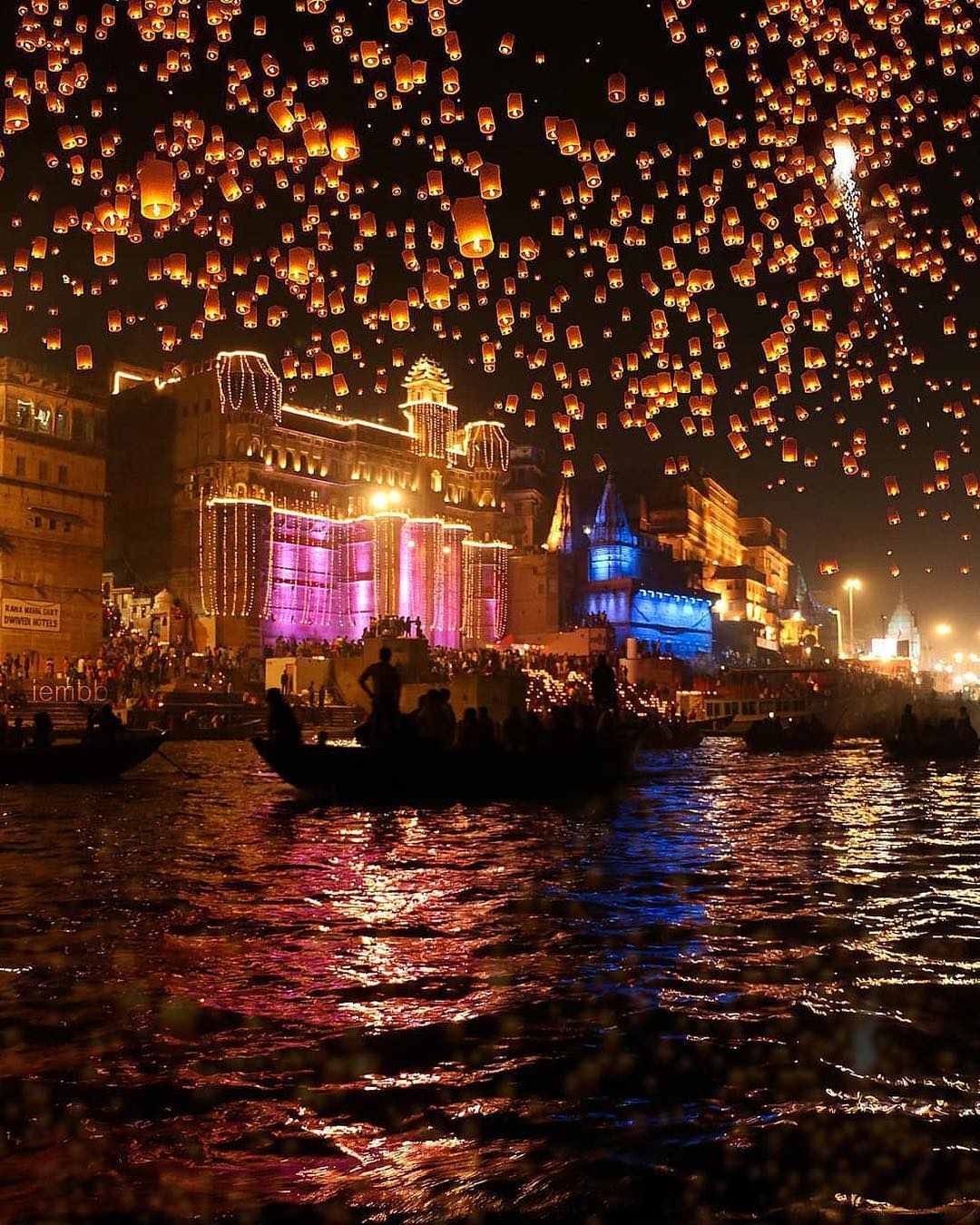
- The state is known for its colorful culture. This can be seen in the classical dance called Kathak, big events like the kumbh mela, and the famous Awadhi food.
- Some major cities of uttar pradesh are Lucknow, Varanasi, and Agra. These places are important for spirituality, history, and trade. Each city has something special to offer.
- The government of uttar pradesh runs with two houses in the legislature. The state is split into 75 districts to make it easier to manage and govern.
Table of Contents
Introduction
Welcome to Uttar Pradesh, often called the heart of India! Uttar Pradesh is in northern India, and it has been part of many old stories and changes. The history of Uttar Pradesh goes way back to the Vedic period and covers big days from the Mughal Empire too. People feel the connection with the indian subcontinent here, because there is so much to see from different times. You will find sacred rivers and big monuments. A trip to uttar pradesh lets you know deep culture, the history of uttar pradesh, and see what has shaped these people and their land. Get ready to see what wonders wait for you!
Geography and Location of Uttar Pradesh
Uttar Pradesh is a big state in the north of India. It lies mainly in the rich Gangetic Plain. The state sits in a key spot, and this has helped it be important in history and for the economy. Uttar Pradesh shares borders with nine states. Himachal Pradesh is to the northwest, Madhya Pradesh is to the south, and Bihar is to the east.
This state does not touch the sea, so it is surrounded by other regions. The state is in a central spot. It is important for people, goods, and ideas to move around the country. There are many different areas here. The north part has the mountains that start the Himalayas. The south part has the Vindhya hills.
In the next parts, we will talk about the state’s special land shapes. We will look at the main rivers, and how the weather can be different in the state.
Physical Features and Landforms
Uttar Pradesh has a landscape that is very different in three main areas. The Siwalik hills form the line at the top of the state. These hills rise from about 300 to 5,000 meters. The land then changes and goes into the Terai area. The Terai is wet and has a lot of trees and tall grass. The ground here is thick and full of clay. These features show how the geography of uttar pradesh, or the state, is made up of distinct regions.
The largest part of the state is the Gangetic Plain. This area covers about three-fourths of the state’s total geographical area. The plain is flat and has very fertile soil because the Ganga and Yamuna rivers leave alluvial soil there. The good soil makes the Gangetic Plain one of the most productive places for farming in the country.
In the south of Uttar Pradesh, the Vindhya Range and the plateau region are there. This place has hills and highlands. The land is rough, with an average height of about 300 meters. It does not get much rain, and that shapes how people do farming here.
Major Rivers and Water Bodies
Uttar Pradesh has many big rivers and water bodies. These are important to the state. The Ganga and its branch, the Yamuna, are the main rivers. They flow from northwest to southeast. The rivers help make the land rich for farming. In Indian culture, these rivers are more than just water. People deeply respect and honor them.
One of the most important places in the state is the Triveni Sangam in Prayagraj. People believe the Ganga, Yamuna, and the old Saraswati rivers all meet here. The spot is famous for being a big pilgrimage site, mainly during the Kumbh Mela. The state also has lakes that help the area’s plants and animals. These lakes bring in many birds who travel here.
The state has a lot of water. Many small rivers flow into big ones. The main rivers go through uttar pradesh. Some other big rivers also run through the state.
- Ghaghara
- Gomti
- Betwa
- Chambal
Climate and Weather Patterns
The climate in Uttar Pradesh is mostly humid and subtropical. Winters are dry here. You will feel different temperatures in the state. There are three main seasons in Uttar Pradesh: summer, monsoon, and winter. The state has a big geographical area. There are some small changes in weather as you move from one place to another, but most of the area in the plains has similar weather.
Summers, from March to May, are usually hot and dry in the state. It is common for temperatures to go up to 45°C or even higher. After this, the southwest monsoon starts. The season runs from June to September. During this time, the state gets about 85 per cent of its yearly rain. This rain helps cool things down and gives water to the farms.
Winter starts in October in the state and goes on until February. The air is cool and feel good in this time. On many mornings, there is fog. It can get close to freezing, mainly in January. The western part of the state gets less rain, so it can feel dry and is sometimes semi-arid.
Administrative Structure of Uttar Pradesh
The government of Uttar Pradesh has two houses. This is called a bicameral legislature. The state government works from its capital in Lucknow. The state government runs things through a clear order. The Governor is the head under the rules. The Chief Minister is in charge of leading the executive part of the government of Uttar Pradesh.
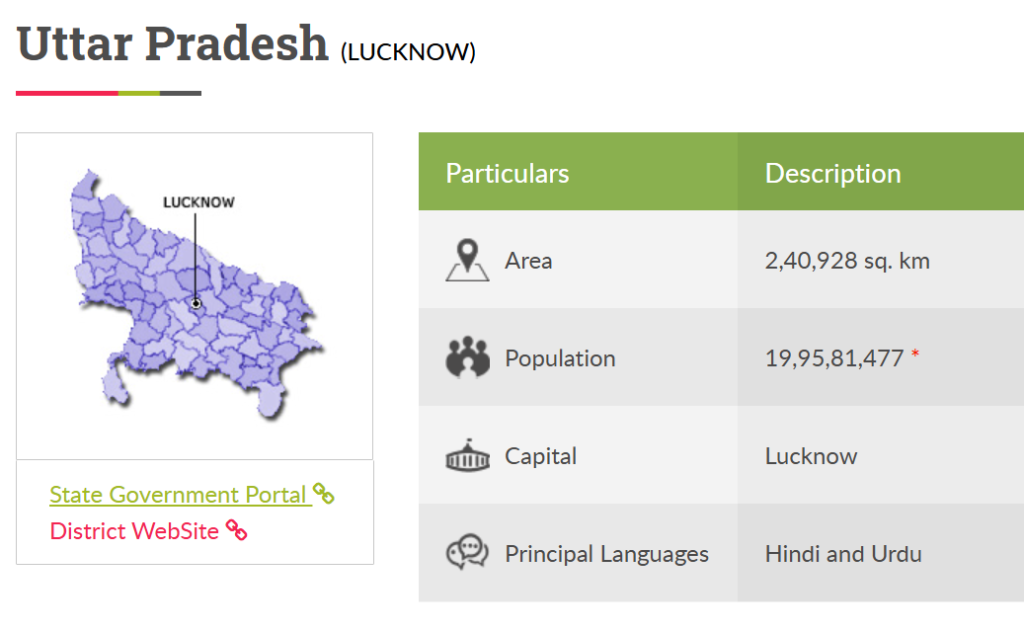
For good governance, uttar pradesh is divided into 18 administrative divisions and 75 districts. the state uses this setup to handle the big population and different areas in uttar pradesh. let’s see how the districts and main cities are set up. one can know more about the order of governance here. you can also get in touch with government offices if you need help or have a question.
Districts and Major Cities
Uttar Pradesh has 75 districts. Each district has its own main office for the government. The state has many big cities. These cities are rich in history, culture, and business. Agra is one of the main cities in Uttar Pradesh. It is well known for the Taj Mahal and Agra Fort. Varanasi is another famous city in the state. It is very old and is still full of life. A lot of people visit these places every year.
Lucknow is the state capital of Uttar Pradesh. People often call it the “City of Nawabs” because of its fine culture and old buildings. Kanpur is also an important city in the state and is known for its factories. Prayagraj is another big city, famous for its religious sites. Every city here shows a different side of life in Uttar Pradesh.
Here are some big cities in the state and what people know them for:
| City | Nickname / Significance |
|---|---|
| Agra | City of Taj |
| Lucknow | The City of Nawabs and Kebabs |
| Varanasi | Spiritual Capital of India |
| Kanpur | The Leather City of the World |
| Prayagraj | Abode of God, Sangam City |
| Mathura | Where History and Mythology Come Alive |
Divisions and Governance Hierarchy
The state of Uttar Pradesh has a clear system to manage all parts of its land. It is split into 18 divisions. A Divisional Commissioner leads each one. These divisions make a middle link of working for the state government and the districts.
In the state, each division is made up of several districts. A district magistrate is in charge in each district. The district magistrate looks after law and order. They also collect revenue. The district magistrate works to put government plans in place. With this structure, the government can reach far-off places in the state.
The state’s law-making system has two parts. The lower house is called the Vidhan Sabha or legislative assembly. It has 403 people who get elected. The upper house is known as the Vidhan Parishad or Legislative Council. This setup helps to keep a good balance in the way laws are made. It also helps to make sure that their government works well.
How to Contact Government Offices
Contacting government offices in Uttar Pradesh is easier now with digital programs. The official Uttar Pradesh government website gives you important information. You can find contacts for departments and use online services there. Most departments have their own sites. These sites let you know how to reach certain officials and their offices.
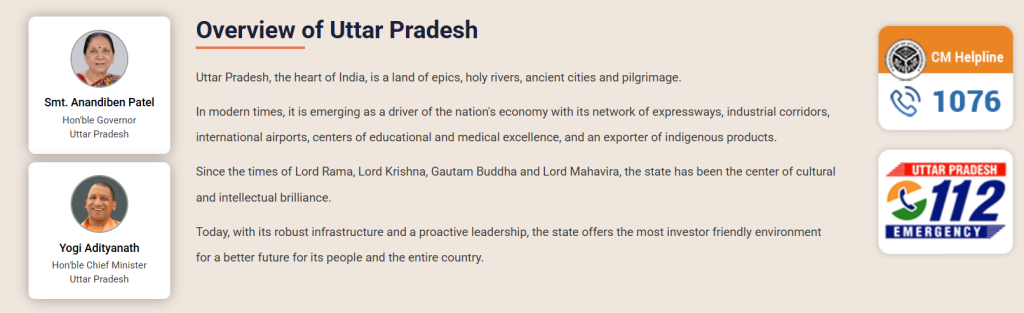
For any issue, you can get in touch with the office of the Chief Minister or other ministers using their official way to talk. For legal problems, the Allahabad High Court and the bench in Lucknow be the top courts in the state. Local work is taken care of at the district or block level. You can find the right offices for your needs there.
Here are some common ways to get in touch with government bodies:
- Go to the official website of the department. You will find contact forms, email addresses, and phone numbers there.
- Use the online portals. You can also use the complaint systems made by the government.
- Get in touch with the local District Magistrate’s office if you have any district-level issues.
Demographics and Population Insights
Uttar Pradesh is known as the most populous state in India. This means that more people live in Uttar Pradesh than in any other state in the country. The total population is almost 200 million, based on the 2011 census. Because so many people live there, the culture, economy, and politics in Uttar Pradesh are shaped by its size. The state has more people than many other countries in the world.
This big group of people brings good things and tough problems. To get what’s happening in uttar pradesh, it’s important to know about the people and how they change over time. In this text, you will see the numbers about the people in the state, learn about the many languages they speak, and see how special and rich the culture is that makes uttar pradesh unique.
Population Statistics and Trends
The state of Uttar Pradesh had a total population of 199,812,341 people in 2011. This number made uttar pradesh the most crowded state in the country. A lot of people live close together here, with 829 people in every square kilometer. The high number of people puts the pressure on land and resources in the state. Also, this has a big effect on both the social life and the economic growth of uttar pradesh.
The literacy rate in the state was 69.72 per cent. There is a big gap between male and female literacy. Male literacy was at 79.24 per cent, while female literacy was only 59.26 per cent. This shows that people are still working on better education and making things equal for boys and girls. The sex ratio in the state was 912 females for every 1,000 males. This number is also important when looking at the people living in the state.
Here is a short look at the main facts about people, based on the 2011 census.
| Demographic Indicator | Value |
|---|---|
| Total Population | 199,812,341 |
| Population Density | 829/sq km |
| Sex Ratio | 912/1000 males |
| Literacy Rate | 69.72% |
Important Languages Spoken
The way people talk in Uttar Pradesh is full of many languages, but Hindi is the main language. Almost everyone in the state can speak and read Hindi. People use Hindi for talking with each other every day, to study, and for government work. Hindi helps connect all the different groups in Uttar Pradesh.
Urdu is the second official language in the state, along with Hindi. This shows how strong the state’s historical and cultural connection be to Indo-Islamic traditions. You will see Urdu used a lot in the state’s literature and poetry, and it be spoken often in some regions.
Many people in Uttar Pradesh speak the official languages, but there are other languages you will hear too. These local dialects and languages help the state feel lively and rich. Here are a few important languages that people use in different parts of Uttar Pradesh.
- Awadhi
- Bhojpuri
- Bundeli
Culture and Diversity in Communities
The culture of Uttar Pradesh shows many different ways of living together. The state has grown this way over many years. In uttar pradesh, you can find many groups of people from different backgrounds. Each group has its own way of doing things and living life. You can see this mix of customs and traditions in the state’s festivals, art, music, and everyday life.
Hinduism and Islam are two big religions in the area. People from both groups live together in peace. You can see this mix of cultures in places like Lucknow and Varanasi. You will notice it in the buildings there and in the food people eat. All communities take part in festivals, and they all celebrate with a lot of excitement.
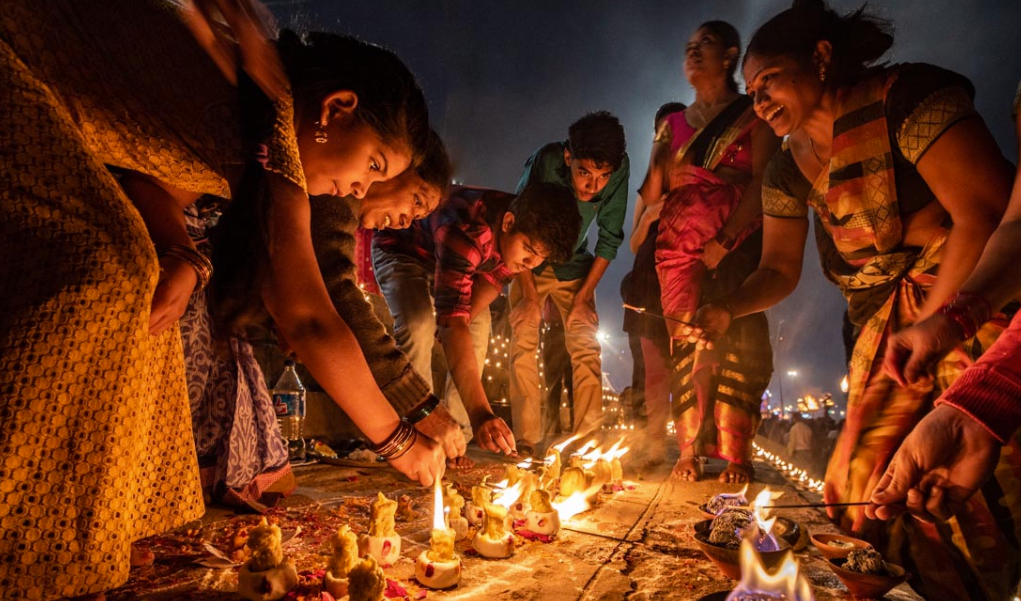
Uttar Pradesh has several tribal communities that are part of the state’s rich culture. The Agariya people, for example, used to work in iron mining. The Baiga tribe has its own way of farming, which is called shifting cultivation. Communities like the Kol, Chero, and Buksa are also in the state. They help make uttar pradesh even more diverse.
Ancient and Mythological History
The history of Uttar Pradesh is very old. A lot of stories and myths are part of it. People call the region Brahmarshi Desh or Madhya Desha from the Vedic period. Many well-known sages lived here then. A number of important Aryan texts were written in this place. There is proof that people lived in Uttar Pradesh thousands of years ago. You can see evidence of early settlements from archaeology.
Keywords: uttar pradesh, history of uttar pradesh, vedic period
This place is where the stories of the Ramayana and the Mahabharata happened. Cities in the state, like Ayodhya and Mathura, are very special. Mathura is known as the place where Lord Krishna was born. These cities mean a lot to people because of their religious links. Let’s look at the state’s old times, see how past kingdoms shaped it, and learn about its role in India’s early history.
Prehistoric Roots
The story of Uttar Pradesh goes way back, even before people started writing history. There were groups of hunter-gatherers living in the area as early as 85,000 years ago. Archaeologists have found old skeletons from the Middle Stone Age. They also discovered tools from the Old Stone Age in the Siwalik hills. These finds help us see how early people lived in uttar pradesh.
In the Neolithic Age, which was about 6000 BC, people started to practice agriculture. There is proof that they raised cattle, sheep, and goats at that time. This was an important change because people moved away from living as hunters and gatherers. They started to settle down and form communities.
After that, in the Bronze Age, people made even more progress. They invented and found new things like chariots, copper swords, and pottery.
These findings show the region has had people living and working for thousands of years. When the vedic period started, it became a time where life got more complex. This helped build the base for the kingdoms and empires that grew here later.
Influence of Ancient Kingdoms
Many strong ancient kingdoms grew and fell in Uttar Pradesh. Each of them left a clear mark on the area’s culture and history. In the Iron Age, this place became an important center for power. Seven out of the sixteen big kingdoms, called Mahajanapadas, were in Uttar Pradesh. The Kosala kingdom, with Ayodhya as its main city, was famous in that time. The Kuru kingdom was also powerful and linked to the Mahabharata story.
The Mauryan Empire had strong rulers like Chandragupta and Ashoka. They helped northern India grow in the way it was run and how money worked there. The Gupta Empire is known as the “Golden Age of India.” At this time, art, science, and stories got better and spread through the region. After this, the Kannauj empire led by Harshavardhana took control. He made northern India feel his power by spreading his rule far across the area.
The area started to be known as a spiritual place at this time. Mathura is where Lord Krishna was born. It became one of the most important spots for religion. Old festivals, like the Kumbh Mela and Magh Mela, kept going strong. This helped the area be seen as a center for faith and spiritual life.
Role in Early Indian Civilization
Uttar Pradesh was very important in the start of Indian civilization. The land here is full of life because the Ganga and Yamuna rivers run through it. This made the area a great place for people to build society and a strong culture. In the Vedic period, uttar pradesh was a center for learning and spiritual growth. Many important ideas about the Hindu faith started here, and big stories from that time were written in this region.
The state played a key role in the start of two new faiths. These were Buddhism and Jainism. Lord Buddha gave his first sermon at Sarnath, near Varanasi. This moment started Buddhism. After that, it grew across Asia. Kushinagar is in Uttar Pradesh. Buddha reached nirvana there. This place is also very sacred.
The region has been known for its power and rich culture over the years. Many empires built amazing buildings here, like the Ashokan pillars and Fatehpur Sikri made by the Mughals. These places show how important the area has been. Cities in the region became well-known for education. Many smart people from other parts of the world came to learn here.
Medieval and Modern History
The story of Uttar Pradesh in medieval and modern times is full of change. After old kingdoms, the place was taken over by the Delhi Sultanate. Later, the Mughal Empire became strong here and ruled from the center. You can see how many things shaped the history of Uttar Pradesh, from empires and rebellion to the start of a new country.
The time of Islamic rule ended when the British East India Company took over the state. After that, the state was at the center of the Indian independence movement. People here played an important role in fighting for freedom. Let’s take a closer look at these events. They helped shape what the state is today.
Mughal and Sultanate Era
The Delhi Sultanate came to power in the 13th century. This was the start of a different time for Uttar Pradesh. Five groups of rulers held the area for about 300 years. They helped to mix Hindu and Islamic ways of life. This time made way for the bigger Mughal Empire to come later.
The Mughals ruled the state from cities like Agra and Fatehpur Sikri. Akbar and Shah Jahan were leaders who loved art and building things. Shah Jahan made the Taj Mahal, which is still the best-known building from that time. The huge Agra Fort shows the power the Mughal rulers had.
This time gave the area some amazing buildings. In Lucknow, places like the Rumi Darwaza show later styles with great beauty. The Mughal and Sultanate times changed the feel of the land. You can see this in the food people eat, the songs they play, the way they speak, and the way things are run.
Colonial Period and Independence
In the 18th century, the East India Company started to take over northern India. They slowly took power from local rulers. This is how British rule began in the area. The region was put together and given new names several times. In 1902, it was called the United Provinces of Agra and Oudh. Lucknow became its capital.
United Provinces, United Provinces of Agra, East India Company, British rule, northern India
The colonial period saw a lot of change. Canals and railways were built during this time. But people began to feel unhappy under british rule. In 1857, the city of Meerut in uttar pradesh was the place where the first big revolt started. This fight is often known as the Sepoy Mutiny.
This spirit of resistance kept going in Uttar Pradesh. The state became a main place for the Indian independence movement. Motilal Nehru and his son, Jawaharlal Nehru, came from here and were well-known leaders. The Congress and the All India Kisan Sabha grew strong in the state. They helped a lot of people come together for the fight for freedom.
Post-Independence Developments
After India became independent in 1947, the United Provinces was called Uttar Pradesh from 1950. The state has been important in Indian politics. It has given several prime ministers to the country like Jawaharlal Nehru, Indira Gandhi, and Chandra Shekhar.
The time after independence has seen both good changes and some problems. The state worked hard on economic development and tried to build new industries. But there have been some issues with economic growth along the way. Politically, there have often been changes, with power moving between different parties. This shows the state’s complex social makeup.
A big change for Uttar Pradesh was when the state of Uttarakhand was made in the year 2000. It used to be part of the northern Himalayan area of Uttar Pradesh before that. Another big event for the state was the Babri Masjid dispute that happened in Ayodhya in 1992. This dispute still affects the social and political life in Uttar Pradesh.
Economy of Uttar Pradesh
The economy of Uttar Pradesh is the second biggest in India. The state has both old and new types of businesses. A lot of people in the state work in farming. This is because agriculture is very important here. The state gives much food to the whole country. The economy of Uttar Pradesh helps make sure people in India have enough to eat.
The state has a lot of farming. At the same time, you can see more new factories coming up. A lot of jobs are being made in things like information technology and manufacturing. The government is starting different plans to help people get jobs and bring in money from outside. Now, let’s look closer at what makes up the state’s economy.
Agricultural Activities
Agriculture is very important in Uttar Pradesh and is the base of the state’s economy. Most of the people who work here, about three out of four, do jobs in the fields or are part of farming. The state has good soil in its Gangetic plains. Rain comes often and there are many ways to give water to crops. All this helps the state to grow a lot of food. Because of this, people call Uttar Pradesh the “Rice Bowl of India.”
The state is the biggest producer of food grains and vegetables in the country. The main crops that people grow here are rice, wheat, and sugarcane. People also grow maize, millet, pulses, oilseeds, and potatoes in Uttar Pradesh. The state makes a lot of fruits. Mangoes and guavas are two of the most grown ones.
The government is doing a lot to help farmers and increase how much they grow. The state is working on things like giving more water for crops, making sure farmers get good seeds and fertilizers when they need them, and offering crop loans with low interest charges. All these things matter for the state and its economic development.
Industrial Growth and Sectors
Uttar Pradesh is seeing a lot of new industries come in. The state has many types of businesses that help the economy grow. There is a good base for old industries like making textiles, sugar, and food products. But now, new industries also want to set up in the state. Uttar Pradesh is starting to be known as a big spot for these new businesses.
The IT and IT-enabled services industries are growing fast in cities like Noida and Lucknow. The state also has important sectors such as agro-processing, tourism, mineral-based industries, and handicrafts. There is a large consumer market in the state, and better infrastructure is helping to bring in investment from the private sector.
The industrial sector covers many areas. It includes the production of cement, chemicals, electronics, and transport equipment. The state government, in this, is working hard to encourage growth in the industry. The state gives rewards and makes it easier to do business. The aim is to help more people find work and to increase the wealth for their state.
Economic Schemes and Employment
The uttar pradesh government has started several economic schemes. These are to help people get jobs and start new businesses in the state. The state wants to use its people’s skills and encourage development in all regions. A lot of these schemes match up with goals set in the state’s five-year plan.
A big step is the “One District One Product” plan. It helps each district to grow its own special crafts and industries. This can make more jobs for local people and help send more goods out to other places. There are also other programs that help people learn new work skills, give money to new businesses, and help small or medium businesses grow.
Here are some examples of plans started by the uttar pradesh government to help people get jobs.
- Pandit Deendayal Gramodyog Rozgar Yojana helps to create jobs for the people in villages.
- Mukhyamantri Swarojgar Yojana wants to help people start their own work.
- Kisan Uday Yojana gives farmers pump sets. This helps them with farming and supports villages.
Culture, Art, and Heritage
The culture in Uttar Pradesh brings together history, religion, and art. The state is full of beauty and has a lot to show for its past. You can see it in the grand taj mahal, and in the lively customs. People here practice many forms of music and dance. They celebrate bright festivals and enjoy tasty foods. The ways to express life in uttar pradesh are different. The state shows many sides, just like its people.
This land has brought together many cultures over the years. The mix of all these has shaped a unique feel in Uttar Pradesh. Are you ready to see the old music and dance styles of uttar pradesh? There are big festivals, fun fairs, and tasty food here. All these things help make uttar pradesh stand out.
Traditional Music and Dance
Uttar Pradesh is known for having a long history with music and dance. The state is where Kathak, a famous classical dance, started. Kathak is a type of dance that tells stories. The dancers use careful steps, hand movements, and many facial expressions. They dance to the beat of instruments like the tabla.
The state has a deep history in music. Its old songs and court music go back many years. Some great artists came from here. Ustad Bismillah Khan played the shehnai, and Begum Akhtar was known for singing ghazals. The Bhakti movement started a big tradition of religious songs in places like Mathura and Vrindavan.
Uttar Pradesh has more than just the old styles of dance. This state is well known for many folk dances and shows. They show stories from old legends and local tales. Some well-known local folk styles in uttar pradesh are:
- Ramlila is a play that shows the story of Lord Ram.
- Raslila tells about the life and the holy love that Lord Krishna had.
- Charkula is a dance from the Braj area where a woman dances with lit lamps on her head.
Festivals, Fairs, and Cuisine
The cultural calendar in Uttar Pradesh is full of lively festivals and fairs. People in the state celebrate many big national festivals, such as Diwali, Holi, and Eid, with a lot of joy. Uttar Pradesh is known for the Kumbh Mela in Prayagraj, which is the world’s biggest religious event. The state also hosts the Magh Mela each year, and this festival brings in millions of people who come to pray.
The state is a great place for people who love food. Food here is known for rich taste and a royal past. Awadhi and Mughal food have many dishes that use slow-cooked methods. Lucknow is well known for the tasty kebabs and biryanis you get there.
The food in the state has many types. You can find both salty and sweet things to eat. People in Agra love their sweet Petha. The street food in places like Varanasi and Lucknow is very well-known. There are some dishes and drinks from the state that you have to try:
- Dum Biryani and Dum Gosht
- Kachori with Aloo Curry
- Lassi and Chaas
Conclusion
Uttar Pradesh is a place full of life. Over time, it has built up a rich past and a mix of many cultures. The state has both old and new parts in the way people live and the way it is run. Many groups of people have left their mark here and helped grow the economy. The culture and history are strong and make uttar pradesh a great place to see.
Some people come to uttar pradesh because of the religious places or to take part in the lively festivals. No matter what brings you here, the state has a lot for you to enjoy. There are many stories and the land is wide and full of wonders.
If you want to know more about uttar pradesh or need tips about where to go, feel free to ask for help. You can look forward to learning a lot and having a good time in the state.
Frequently Asked Questions
What are the most popular tourist destinations in Uttar Pradesh?
Uttar Pradesh is packed with some of India’s famous spots. You can visit the Taj Mahal. It is beautiful and well-known all over the world. The Agra Fort is old and full of history. Fatehpur Sikri is a city that people left a long time ago, and you can walk through it. A lot of people who feel close to gods go to the Kashi Vishwanath Temple in Varanasi. If you like seeing animals or want to be where there are a lot of trees, Dudhwa National Park is the place you should go.
How is the government of Uttar Pradesh structured?
The government of Uttar Pradesh is led by a Chief Minister. The state has two houses in its legislature. These are the Legislative Assembly and the Legislative Council. There is a High Court in Allahabad. Uttar Pradesh also sends the most members to India’s Parliament. This means its representatives are in both Lok Sabha and Rajya Sabha.
What historical events shaped Uttar Pradesh’s identity?
Uttar Pradesh got its identity through many important moments in history. The area was at the center of the Mughal Empire. The empire brought the region many buildings and new ways of living that can still be seen. In the time of British rule, the area was called the United Provinces. It played a big part in the Indian independence movement.




