
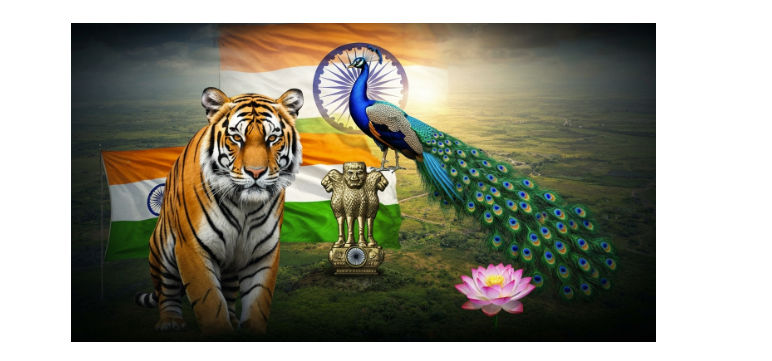
Key Highlights
Here’s a quick look at what we will talk about when it comes to India’s loved national things:
- India has 17 official national symbols that show its identity and heritage.
- These symbols, like the national flag and national emblem, are a big part of Indian culture.
- Each symbol was picked to show values like strength, purity, and unity.
- The national anthem of India, “Jana Gana Mana,” is a strong sign of national pride.
- All these national symbols are important to India’s past and help bring the people together.
Introduction
Have you ever thought about what a nation’s identity means? The national symbols of India are not just some official icons. They show the rich history, values, and diverse Indian culture of the country. The national symbols—including the national flag and those taken from nature—were chosen by the Government of India. The aim was to help people feel pride, be united, and share a strong national identity. These symbols are part of the soul of the nation. They tell about India’s journey and what people in the country hope for.
Overview of National Items of India
India’s national symbols show the heart of the Republic of India. These symbols share the country’s important values and rich history. The national flag and national anthem are well known examples. Each symbol brings people together, makes them feel proud, and has its own story to tell about the nation.
These items are more than what they look like. They show the shared spirit and history of India. A lot of these items mattered during the fight for freedom. Groups such as the Indian National Congress helped make them well known so they could encourage many people.
Definition and Purpose of National Symbols
National symbols are signs chosen by the Government of India. These stand for the country’s national identity. They help bring all people together as one. These symbols show our shared culture, values, and past. So, national symbols play a big part in making our national identity strong.
The choice of these items was not made in a rush. Each one was picked to show something special about India. They stand for the country’s rich nature, strong spiritual beliefs, or the path to indian independence. These things always remind people of what makes India special and the values it holds.
These symbols help people feel proud and part of something bigger. They are not just signs. They show the true story of India’s spirit. They help tell the nation’s story. They also help keep India’s history safe for the future. People can look at them and feel proud. They can learn more about where they come from.
Historical Context Behind India’s National Items
The story of India’s national items goes hand in hand with its fight for freedom. When India became independent in 1947, the country needed signs that would show its strength and unique style. The Constituent Assembly had to pick and approve many of these signs officially.
Many of these symbols became important during the independence movement. For example, “Vande Mataram” was first sung at a session of the Indian National Congress in 1896. It soon turned into a strong call for freedom. In the same way, the tricolor flag came from designs made by freedom fighters to show their fight together against British rule.
The national anthem and song were chosen for the Republic of India in 1950. It happened on January 24, 1950. This was two days before the new country’s constitution started. This important day made the national anthem and song part of what makes India who it is today.
The Complete List of National Items of India
It may surprise you to know that India has 17 official national symbols. The list has the national flag and national anthem. It also has special plants and animals. These things all have an important place in the country’s culture and its nature.
These symbols are important to India. The Tiranga is the national flag. Jana Gana Mana is the country’s national anthem. The Royal Bengal Tiger stands as the national animal of India. The Lotus is the national flower. There are also many other meaningful symbols. Let’s talk more about these symbols and what they mean.
Table of National Symbols With Adoption Dates and Meaning
Knowing when and why each of the national symbols of India was chosen helps us see why they matter so much. Their adoption often happened during big events in the country’s history, like when India became a republic. For example, the State Emblem was used from the same day the Indian constitution started.
These symbols have deep meaning. The national flag stands for courage, peace, and growth. The national anthem celebrates India’s unity in its many people. Each symbol was picked to share a piece of India’s story.
Here is a table. It shows some national symbols. In the table, you can see when they were adopted and what they mean.
| National Symbol | Adoption Date | Meaning/Significance |
|---|---|---|
| National Flag (Tiranga) | July 22, 1947 | Saffron (courage), White (peace), Green (fertility). |
| National Emblem | January 26, 1950 | Adapted from Lion Capital of Ashoka; symbolizes power, courage, confidence. |
| National Anthem | January 24, 1950 | Reflects India’s diversity and unity. |
| National Animal (Tiger) | April 1973 | Represents grace, strength, and power. |
| National Flower (Lotus) | 1950 | Symbolizes purity, beauty, and spiritual enlightenment. |
Key Features of Each National Item
Each of the national symbols of India stands out and is unique. These features help to make each one special in its own way. The symbols are not only about how they look, but also what they mean to people. They show the main values, ideas, and the natural beauty of the country. These national symbols include the strong national animal and the calm national flower. Each one tells us a lot about India and its story.
Each symbol was picked with care. The goal was to show a key part of the nation’s identity. For example, the national bird stands for its bright beauty and holds a lot of cultural significance. The national tree shows both long life and unity.
Here are the main things you should know to get the meaning of these important symbols:
- National Animal (Tiger): The tiger is a sign of power and strength.
- National Flower (Lotus): The lotus shows purity and connects to spirituality.
- National Bird (Peacock): The peacock is known for being elegant and graceful.
- National Tree (Banyan): The banyan stands for living long and being tough.
- National Fruit (Mango): The mango shows India’s warm climate and how the land gives us rich crops.
National Flag, Emblem, and Anthem
Among all the symbols, the national flag, national emblem, and national anthem have a special place in our Constitution. The national flag, called Tiranga, stands for India’s freedom and unity. The national emblem has strong lions and shows the words “Satyameva Jayate,” meaning “Truth Alone Triumphs.” It is a sign of the country’s trust in justice.
The national anthem, “Jana Gana Mana,” shows pride in India’s strong spirit. The national song, “Vande Mataram,” has the same value and makes people feel more proud of their land. Let’s read about what jana gana, jana gana mana, national anthem, vande mataram, and national song mean to us. These all play an equal status in the heart of the people.
Meaning and Symbolism of the Indian National Flag
The Indian national flag, which is known as the Tiranga, is a strong symbol of what India stands for. It was adopted on July 22, 1947, right before Indian independence. The design shows what the new nation wanted to be. The three horizontal stripes of the national flag each have an important meaning, and every Indian values these meanings.
The top band, which is saffron in color, shows the power and bravery that the country has. The middle band is white. In the center of it, you see the navy-blue dharma chakra. This chakra stands for peace and truth. The wheel has 24 spokes, and these show the way to move forward and do what is right. The bottom band is green, which is about the land being rich, growing well, and bringing luck.
The national flag has been with the Republic of India since the very start. People feel great pride when they see it fly, especially on national holidays. It reminds us all of the country’s hard-won freedom and shows how far the nation has come and where it is going next.
The National Emblem: Origins and Importance
The national emblem of India comes from the Lion Capital of Ashoka. This is an old sculpture found in Sarnath. The emblem shows four Asiatic lions. They stand with their backs to each other. These lions stand for power, courage, confidence, and faith. In pictures, you can see only three lions. The fourth one is hidden from view, but it is still there and makes the symbol complete.
Below the lions, there is a round abacus with a bull and a horse. These animals show hard work and energy. The motto of the emblem, “Satyameva Jayate,” is written underneath in Devanagari script. This line, which means “Truth Alone Triumphs,” comes from the Hindu Upanishads. It stands for India’s strong belief in doing what is right.
This emblem is the official seal used by the government. You can see it on money, passports, and official papers. It is one of the key national symbols. The emblem shows how India holds on to its old history and the ideas it stands for now, like justice and integrity.
The National Anthem and Song: Their Role in Indian Identity
India is the one country that has both a national anthem and a national song. Both are important for the people. The national anthem is called “Jana Gana Mana.” It was written by Rabindranath Tagore, who won the Nobel Prize. India started using it as the national anthem on January 24, 1950. The words of “Jana Gana Mana” show how India has many different people living together, with all their ways, and still feel one.
The national song “Vande Mataram” was written by Bankim Chandra Chatterjee. It gave hope to people at the time of the freedom fight. The song was first sung at a session of the Indian National Congress in 1896. “Vande Mataram” has equal status to the anthem. The song shows deep respect for India as a motherland and makes people feel proud.
“Jana Gana Mana” and “Vande Mataram” are a big part of the country’s spirit. When people sing them, they feel proud. You hear these songs at many national events and in schools. They help people remember India’s story and what the country stands for.
Representative Flora and Fauna as National Items
India’s national symbols show not just the official signs of the country. They also honor India’s great natural heritage. India has picked a national animal, a national bird, and a national flower. There is also a national fruit, tree, and a national aquatic animal. Each one is there to show a special part of India’s rich biodiversity.
These symbols show how people feel close to nature. They remind us why it is important to care for the world around us. In Indian culture, animals like the tiger and plants like the lotus each stand for things people think are good. The tiger means being strong. The lotus means being pure and gentle. People see these qualities as important in their lives.
National Animal, Bird, and Aquatic Animal of India
The animals picked as national symbols show India’s care for wildlife and its rich variety of animals. The Bengal tiger is the national animal of India. People chose it in 1973 because its numbers were going down. It stands for strength, grace, and power.
The Indian Peacock became the national bird in 1963. The peacock is known for its bright colors and great looks. It stands for grace and shows national pride, too. The Indian Peacock is a key part of Indian culture and stories.
The protection of animals that live in water is very important. That is why the Ganges River Dolphin is now called the national aquatic animal. This rare animal lives in the Ganges River. Making it a national symbol is done to help save it.
- National Animal: The Bengal Tiger shows power and strength. It is quick and strong.
- National Bird: The Indian Peacock stands for beauty and feel of pride.
- National Aquatic Animal: The Ganges River Dolphin helps us see why it is important to save animals in the ganges river.
National Flower, Tree, and Fruit: Their Heritage Value
India’s floral symbols are a big part of its culture and spiritual life. The national flower of India is the lotus. The lotus is seen as special in many Indian traditions. It stands for purity, beauty, and growing wiser. The lotus grows out of muddy water, yet looks bright and clean. This shows how people can get past hard times and become better. The national flower means a lot to many people in India.
The indian banyan is the national tree. It has a very wide top and lives for a long time. This tree shows strength and that it will last forever. The roots go deep down and the branches spread out. People feel that this is like India’s unity. The indian banyan gives shade and helps many living things.
The national fruit is the mango (Mangifera indica). People often call it the “king of fruits.” It stands for summer and good fortune. Many like its sweet flavor across the country.
- National Flower (Lotus): The lotus shows purity and brings a feel of spiritual enlightenment.
- National Tree (Indian Banyan): The indian banyan stands for being immortal and shows everyone coming together in unity.
- National Fruit (Mango): The mango stands for good things and shows the tropical climate of the country.
National Items of India in Daily Life and Culture
The national symbols of India are a big part of everyday life and indian culture. You don’t just find them in government offices. People honor the national symbols of india during important holidays like independence day and republic day. On these days, many fly the flag and everyone sings the anthem with full spirit.
These symbols are also a big part of schools across the country. Children in school say the National Pledge. This is a promise they make to stand with their country. It helps kids feel proud to be from here even when they are young. Let’s see how people enjoy these symbols in other ways too.
How National Symbols Are Honored and Celebrated in India
Honoring the national symbols is part of life in India. The practice is easy to see during Independence Day and Republic Day. On these days, people everywhere celebrate. The national flag goes up in big ceremonies. You can see these events from places like the Red Fort in Delhi to schools and centers in small towns.
The national anthem is a symbol that people respect often. You can hear it at the start of public events. It is played in movie theaters. Kids sing it at school. Doing this helps people feel more together. It shows respect and brings out a strong national identity. Everyone takes part, no matter who they are.
Here are some of the common ways people celebrate these symbols:
- The national flag is raised on August 15th and January 26th.
- The national anthem is sung at the start of all official functions.
- The national pledge is read aloud in schools to help kids feel more proud of their country.
- The national emblem is printed on money made by the Reserve Bank of India.
- The national emblem is used on all letters and papers sent out by the government.
Fun Facts About India’s National Items for Kids
Did you know the national symbols of India have lots of stories and facts? Take the Mango. It is the national fruit and people call it the king of fruits. Mango has been grown in India for many years. Eating it feels like getting a taste of Indian summer.
Another thing to know about the Ganges River Dolphin is that it lives in the Ganges River and is almost blind. It finds its way around by using sound, much like how a bat does. People in that country see it as a part of their nation, and this helps keep it from dying out.
Here are a few more fun facts to share:
- The Indian Rupee symbol uses a mix of the Devanagari “Ra” and the Roman “R.” This symbol shows both Indian and Western roots.
- The National Pledge was first written in Telugu in the year 1962. People say it today to feel proud of India and its values.
- The Banyan is the national tree of India. It is known to be immortal, as it keeps spreading and growing new trunks. Many people look at this tree as a sign of life and strength.
- The King Cobra is the longest venomous snake in the world. In Indian mythology, people respect and fear this snake.
Conclusion
India’s national symbols show the country’s rich history. These symbols, such as the national flag and the different plants and animals, tell the story of the country. Each one connects people in India. When we learn about national symbols, we see why they are important in our daily lives and in different festivals. When we respect and share these national symbols, we help others feel part of India and feel proud of it. Learning about national symbols matters because it helps us know where we come from. If you want to know more about the national symbols or the national flag of India, feel free to ask.
Frequently Asked Questions
Which national item is most closely associated with India’s global image?
The national flag, called the Tiranga, is one of the most well-known national symbols of India across the world. You can see its three-color design at global events. It is also shown on Indian ships and planes. The flag is raised during many celebrations in the country. For people around the globe, this flag quickly brings up the image of India’s identity.
Why were these items selected as the national symbols of India?
These things were picked to be national symbols after Indian independence. This was done to show the rich culture, history, and the natural beauty of the country. The Constituent Assembly chose symbols like the national anthem to help people feel connected. These national symbols give India a shared identity and help bring everyone together with one past and one set of values.
Where can you find authentic images of the national symbols of India?
You can find real images of the national symbols of India on official Government of India websites. A good place to look is the National Portal of India. You will see the national emblem on all official documents, passports, and money made by the Reserve Bank of India. This makes sure the pictures you see are right and from the government.




