
Key Highlights
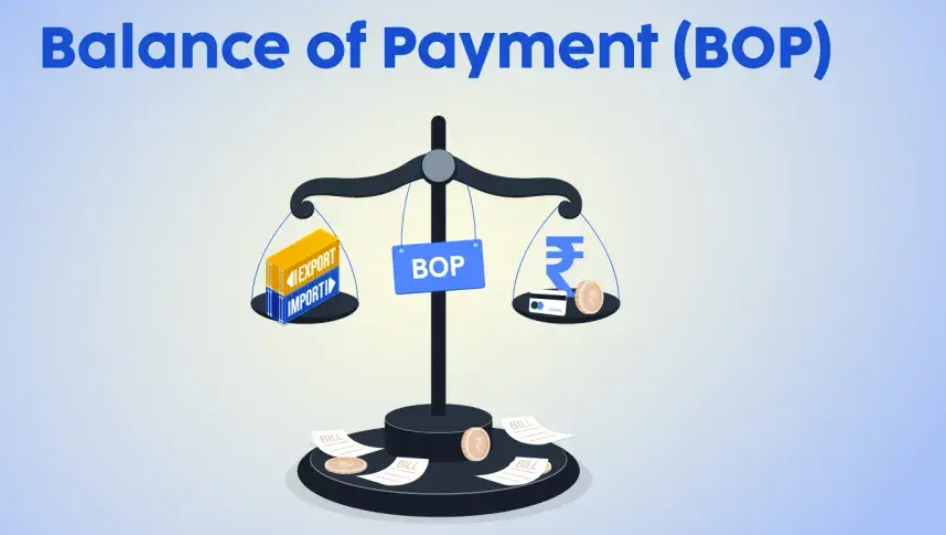
- What? The balance of payments shows all the financial transactions your country does with other countries. It helps add up the money that comes in and goes out for one nation.
- Why? The balance of payments is important because people can see how strong the country’s economy is. It also says how that nation fits in the global economy.
- Components: The balance of payments has three big parts. The current account, the capital account, and the financial account. These show how money and goods move in and out of your country.
- Impact: The balance of payments can change a country’s exchange rate. It also affects how much a country grows and how stable it stays over time.
Table of Contents
Introduction
Knowing about the balance of payments is key in business economics. It tells you how a country is doing with the rest of the world. The balance of payments is a sign that shows the health and strength of a country’s economy. When you look at the current account and capital account, you get to see some important things. This includes trade flows, investment income, and foreign currency reserves. By using this framework, you can watch the way money goes in and out of a country.
This information helps people who make economic policies. It helps them choose the right economic policies that affect international trade and economic growth. When policies change, you can also see changes in business between one country and the rest of the world. The balance of payments gives us data so we can understand more about investment income and the foreign currency that comes in and goes out.
Defining the Balance of Payment in Business Economics
In business economics, the balance of payments shows all the economic transactions a country has with the rest of the world in a specific period. It includes several accounts: the current account, capital account, and financial account. Each one has key things like imports of goods, foreign investments, and capital flows.
This full view helps people see if a country has a trade surplus or trade deficit. Policymakers use this information to make better decisions. It can help them keep economic stability and support growth.
Meaning and Concept of Balance of Payment
The balance of payments shows all the economic transactions between a country and other countries during a specific period. It has different accounts. These are the current account, capital account, and financial account. The balance of payments helps you look at how goods, services, and financial assets move in and out of a country. It also shows trade balances and how capital flows go to and from the country.
Knowing about the balance of payments gives you a better picture of things like foreign investments, exchange rates, and the country’s economic stability. This idea is good for those who make policy and people who want to understand the economy.
How Balance of Payment Differs from Balance of Trade
The balance of payments looks at more things than the balance of trade. The balance of trade is about the imports of goods a country gets and the goods it sends out to other countries. But the balance of payments shows all the economic transactions between a country and the rest of the world. This is not just about the flow of goods. It also covers services, income, and other transfers.
The balance of payments lets people see both goods and financial transactions together. It gives a good way to check the country’s economic stability. You can use it to see how well the country’s finances are doing over a specific period.
Importance of Balance of Payment for a Country’s Economy
A healthy balance of payments is very important for the economic stability of a country. It affects both exchange rates and foreign currency reserves. The balance of payments looks at the flow of economic transactions with the rest of the world. This is one way to see how well the economy is doing.
If there is a surplus in the balance of payments, the country can use this to invest in foreign assets. This move can help up the economic growth. A surplus also brings in more foreign currency. But if there is a BOP deficit, things can get tough. It is a sign of problems. A deficit will hurt foreign investments, debt repayments, and even affect the country’s economic policies.
When you know about the balance of payments, you understand more about the country’s economic status. It can give you ideas about possible changes and growth in the future.
Indicator of Economic Health and Stability
Looking at the balance of payments tells you a lot about how strong and safe the country’s economy is. It shows how the country manages its economic transactions with the rest of the world. The balance of payments affects foreign exchange, foreign exchange reserves, and how money moves in and out. If there is a current account surplus most of the time, it can mean the economy is good and growth could be coming. A current account deficit, though, can show there might be some problems. Keeping an eye on these changes is very important for making good decisions about money. This helps the government act quickly to keep economic stability and to fix risks that come from changes in trade, capital flows, a current account surplus, or balance of payments problems.
Impact on Policy Making and Currency Valuation
The balance of payments plays a big role in the way a country sets its policies and in what a currency is worth. If a country keeps having a deficit, the government might make some trade rules, like tariffs or quotas, to reduce imports. They may also decide to lower the value of their currency. This can make their exports cheaper, help them sell more, and could be good for their economy.
On the other hand, when there is a surplus, a country’s money can get stronger. This can make goods from other countries cost less. It might also help stop prices from going up too fast. A central bank will often use foreign exchange tools to manage what their money is worth. They usually look at BoP data to help with these choices. These numbers are important when planning how the country will spend or save money. For example, if there is a big shortage, the country may spend less or lift interest rates. This can lower how much people want outside goods or bring more money in.
Key Components of Balance of Payment
The balance of payments has some important parts. These parts show how a country does deals with other places in the world. The current account shows what the country buys and sells in goods and services. The capital account follows money transfers and checks how money comes in or goes out. It also points out capital inflows. Financial accounts show when the country invests in foreign assets. They also list money that foreign investors put in the country.
Knowing these parts of the balance of payments helps people see if the economy is doing well or not. It lets people know if it is getting stronger or weaker. Policymakers use this to help make good plans and economic policies for the country.
Current Account: Structure and Elements
The current account is a key part of the balance of payments for a country. It tracks several economic transactions over a specific period. There are three main sections in the current account. The first is the trade balance, which shows imports of goods and exports of goods and services. The next is the primary income account. This part tells us about money from wages and investments. The last section is the secondary income account. It covers things like foreign aid and money sent from one country to another as remittances. The way the current account is set up helps us understand the flow of goods and money moving in and out of the country. It also helps us know if the country’s economy is good and stable in the global economy.
Capital Account: Overview and Significance
The capital account helps us learn about a country’s balance of payments. It keeps a record of how financial assets move in and out of a country. This means it tracks both capital inflows and outflows. It also shows the money from foreign investments and direct investment, like foreign direct investment and capital transfers, that the country gets.
If the capital account is strong, foreign investors feel good about the country’s economic stability. This can help bring economic growth to the whole country. A healthy capital account can also change exchange rates over time.
So, the capital account, balance of payments, and exchange rates all connect with foreign investors and economic growth.
Financial Account: International Investments
The financial account is a key part of the balance of payments. It shows how a country invests with other countries. This account keeps track of financial transactions like foreign direct investment and also direct investment in other places. It counts the money that comes into the country and goes out in a specific period. With the financial account, you can see how a country gets foreign assets. You can also learn how capital flows add to economic stability.
If we watch the financial account, we get to know if investors feel good about the country. It helps to see foreign currency coming in and going out. With this, you can better understand foreign currency reserves. It also tells us what changes these flows of money can make in the domestic economy.
Types of Balance of Payment Transactions
The balance of payments shows how a country interacts with the rest of the world. It keeps track of what a country gets and what it gives. There are three main groups in the balance of payments: the current account, the capital account, and the financial account. Each group has its own job.
The current account is about goods and services the country buys and sells. The capital account looks at money that moves in or out for specific reasons. The financial account keeps track of investments. All these parts help us understand how a country does things with other countries.
Visible and Invisible Transactions
Visible transactions are the buying and selling of actual items and services between countries. This means things like exports and imports. The movement of these goods in and out quickly changes the trade balance of a country.
Invisible transactions deal with money or services that you cannot see or touch. Some examples are tourism, sending money between countries, and financial services. These services can form a large part of the current account and change the balance of payments for a country in other ways.
It is good to know about both kinds of economic transactions. This helps us see how the current account, trade balance, and the country’s balance of payments are linked. Looking at all the flow of goods and activities helps us understand how strong an economy is.
Government and Private Sector Transactions
Government transactions in the balance of payments are key to how a country deals with others. This includes foreign aid and spending money on imports of goods. The private sector handles movement of financial assets, like direct investment and capital transfers. Both the government and the private sector can have a big effect on a country’s balance of payments. Their actions can change capital inflows and outflows.
If we know how these groups work, we can see if a country’s finances are strong or weak. This helps us think about what economic policies may be best. How the government and private sector act together says a lot about the status of a country in the global economy, and it helps us know what might happen in the future.
Calculating the Balance of Payment
Calculating the balance of payments means adding up all the economic transactions between a country and the rest of the world for a set time. The balance of payments looks at things like imports, exports, capital inflows, and other financial transactions. It is based on three parts: the current account, capital account, and financial account. When you look at each part, you get ideas about the economic stability of a country. Policymakers use this information to choose what they will do about economic strategies and how they work with foreign currency.
Formula Used in Business Economics
In business economics, the way to find the balance of payments, or BOP, is easy. The formula is: BOP = Current Account + Capital Account + Financial Account. Each one is needed to see how the country works with the rest of the world. The current account shows the trade balance between countries. The capital account looks at capital inflows and outflows. The financial account is about international investments and financial transactions. These three things help us get a clear view of the country’s economic health and stability during a specific period.
Practical Examples of Transactions
Different transactions help people see how the balance of payments works. When a country buys goods from other countries, it pays with its own money. This may cause a current account deficit. A trade surplus happens if the country sells more goods than it buys from others. This can help grow its foreign exchange reserves.
When companies from the home country start new businesses in other places, people call it foreign direct investment. This adds more money to the capital account. These capital inflows can help a country grow its economy over time.
Looking at these examples, people in and out of the home country get to know more about things like current account, balance of payments, capital account, foreign exchange, foreign direct investment, direct investment, capital inflows, trade surplus, current account deficit and foreign exchange reserves.
Causes and Implications of Balance of Payments Surplus and Deficit
A surplus in the balance of payments usually means the economy is doing well. This can bring in more foreign investments. It also helps grow the country’s foreign reserves. But if there is a deficit, it means the country is buying more from abroad than it sells. This can lead to trouble for the country’s currency and its money system. A number of things can cause this, like changes in the world’s need for goods, new interest rates, and changes in economic policies.
These things can change the way the country’s money works. They can also have an effect on exchange rates and capital flows, or how money comes in and goes out. In the end, these changes can affect how the country grows. If you want to do a good economic analysis, you need to understand how the balance of payments works.
What Leads to Surplus or Deficit?
Surpluses and deficits in the balance of payments happen for several reasons. The way people spend their money can change. There are times when money is moved in and out in different ways. Exchange rates often go up or down, and that makes a difference as well. What the government does can have a big impact, too. Sometimes, outside economic conditions and trade imbalances also play a role in these results.
Effects on Indian Economy and Exchange Rates
An imbalance in the balance of payments can have a big effect on the Indian economy and its exchange rates. If there is a trade deficit, the value of the domestic currency can go down. When this happens, the price of imports goes up. This means people pay more, and prices in the country rise, leading to more inflation. But if there is a surplus, the rupee can get stronger, and buying imports becomes cheaper.
These changes can affect how investors feel about putting their money into India. If people feel good, there may be more foreign investments. If not, these could take a hit. These things shape the direction of economic growth. When exchange rates rise or fall, it also changes the amount of foreign exchange reserves. Holding enough foreign exchange is important if India wants to keep economic stability.
Exchange rates also have a part in deciding if India can sell its goods at good prices in international trade. All these things together shape how strong or weak the country’s economic health will be.
Conclusion
To see how the balance of payments works, you need to know how a country does economic transactions with people and companies in the rest of the world. The balance of payments has a few key accounts: current, capital, and financial. These tell you where the nation stands with its money and trading. Knowing about these is important to make choices on foreign investments and exchange rates. If you look at bop data often, you get a better idea on how to handle trade problems, like deficits or surpluses. This helps with economic stability. Understanding the balance of payments gives you the tools to make good economic policies and keep the environment strong and safe.
Frequently Asked Questions
What Is the Balance of Payment and Why Does It Matter?
The balance of payment is a record of the country’s economic transactions with the rest of the world. It lets you see how well the country is doing with money and if it is stable in the market. If you want to know more about trade, what the currency is worth, and the state of the economy, you need to use this. Policymakers and investors look at it to understand trade and other money matters the right way.
How Does Balance of Payment Affect Exchange Rates?
The balance of payments plays a big part in deciding exchange rates. It changes how much of the currency people want in the country and in the foreign exchange market. When there is a surplus, the country’s currency can get stronger. A deficit, instead, can make it lose value. People also watch if the country’s economy is steady when they think about the value of the currency in the foreign exchange market. What they think is very important for the final value.
What Are the Main Methods for Balancing Payments in India?
India takes many steps to keep its balance of payments steady. The country sometimes lowers the value of its currency. India keeps a close watch on its foreign exchange reserves. When there is a need, it changes trade rules. India also tries to grow its exports and bring in more foreign investments. All these things help keep the economy good and steady.
What is the relationship between BOP and economic growth?
It can be tough to say how the balance of payments and economic growth work together. When a country has a current account surplus, it gets more money. This extra money is good for economic growth. Still, if there is a deficit, but the country gets good foreign investment, the economy can grow, too. A healthy balance of payments matters a lot. It helps the global economy stay steady and strong. A stable balance of payments can also make sure growth is good and steady.




