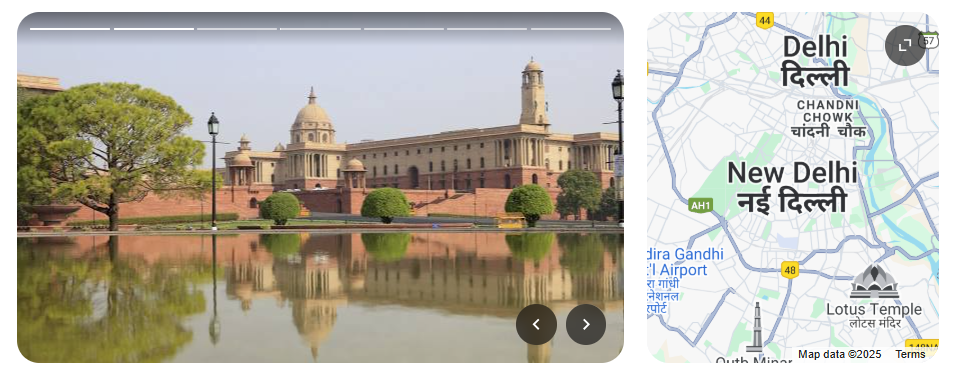
Key Highlights
- Lutyens’ Delhi in New Delhi was built during the British Raj, and is known for the work of Sir Edwin Lutyens.
- This area has the Lutyens Bungalow Zone (LBZ), which holds about 1,000 bungalows. Most are owned by the government.
- You can find important places in this zone, like the Rashtrapati Bhavan and India Gate.
- Properties here have the highest real estate prices in the world.
- The neighborhood is full of green trees and the people who live here are well known. Many top politicians and big industrialists stay here.
Introduction
Welcome to Lutyens’ Delhi, an area in New Delhi that shows the vision of the British Empire. This place is named after Sir Edwin Lutyens, who was the main architect. It started in the 1920s and 1930s. Lutyens’ Delhi has grand buildings and big bungalows. This part of the city tells about a special time in India’s history. Have you ever thought about how this famous area came to be? Let’s take a closer look at the story, design, and what makes this area unique in the capital of India.
History
The story of Lutyens’ Delhi starts with a big choice made by the British Raj. The british empire saw the need to move the main city of british india from Calcutta to Delhi. This change meant they had to build a new capital that showed what the british raj wanted – their power and their wish to stay a big part of this place for many years to come.
New Delhi is a planned city. It became the new center for running things. Lutyens’ Delhi shows how this big change happened. These streets and buildings were made in the early 20th century to show who was in charge. You can walk down wide roads with trees on both edges. The buildings feel grand and made to stand out. This area became the face of power and city design back then.
Design and construction
British architect Edwin Lutyens played a big role in designing the centre of New Delhi. He led the team that worked on the construction of large government buildings. He was also a key part of planning the town. Lutyens wanted to make sure that one-third of the area stayed green. His ideas and work helped to shape the way this part of New Delhi looks now.
This work made the big, green streets that you see now. The team planned things like the Viceroy’s House and homes for top officials. In the next parts, you will read more about the real estate, the worth of homes, and the places around this special zone.
Land prices
Homes in Lutyens’ Delhi have a lot of value for many reasons. The place is known for its history. It is not crowded, and there are many trees and parks. This makes Lutyens’ Delhi feel very special compared to other areas. Most of the homes here are not owned by people but the government, so only a few people can buy these homes. Because there are not many homes you can own, people want them more. This pushes the real estate prices higher in Lutyens’ Delhi.
These very high property prices are often talked about in the news. A report in The Times of India says that one bungalow was bought for ₹435 crore. This shows the huge market value the place has. Property prices in this area have gone up fast over the last ten years.
This special location and the feel of importance bring in the richest people in the country. People are ready to spend more money to get a well-known address here. Two cases of high-priced sales are shown here:
| Buyer | Price (in Crores) | Year |
|---|---|---|
| Rajiv Rattan | ₹220 | 2014 |
| Renuka Talwar | ₹435 | 2016 |
Contiguous areas
The Lutyens Bungalow Zone sits in the middle of wide green spaces and famous neighborhoods. The areas next to it, or contiguous areas, get the same care as the LBZ. This makes the whole place feel like one big green park in a busy city. The green spaces help keep the LBZ away from Delhi’s busy and crowded streets.
Many people feel the prices in the LBZ are too high. They choose nearby areas instead. Jor Bagh is one of those places. You get the same feel there with nice gardens and big houses. Property prices in Jor Bagh are almost as high as the LBZ. These spots are close to the LBZ. They also get to share in the area’s clean and green look.
Some of the key contiguous areas include:
- Jor Bagh
- Lodhi Gardens
- Delhi Golf Club
- Areas north of Connaught Place
- Sunder Nagar
Properties in Lutyens Delhi :
Lutyens Delhi is known for its fancy homes. Many diplomats, politicians, and rich people want to live there. The area has large, beautiful bungalows and a lot of green spaces. It shows the old style from the British Raj.
Prithviraj Road and Golf Links are two places in new delhi that are well-liked by people living there. These places have buildings made by edwin lutyens and his partner herbert baker. The look of the area is great because of their work.
Over time, property prices in lutyens delhi have gone up a lot. Now, it is one of the most wanted places to stay in central new delhi. A lot of real estate developers are interested in this area.
Notable residents
The important roads in Lutyens’ Delhi have seen many of India’s biggest leaders live there. The prime minister of India has his official home at 7, Lok Kalyan Marg. It sits inside a group of five bungalows. A lot of well-known politicians have lived in this area, like former prime minister Manmohan Singh and Sonia Gandhi. Atal Bihari Vajpayee, also a former prime minister of India, stayed in a bungalow on Krishna Menon Marg after he left office and lived there until 2018.
The neighborhood is not just known in politics. Many of the top business leaders in the country like to live here as well. Sunil Mittal from Airtel, KP Singh from DLF, and Laxmi Mittal, who is a big name in steel, are some of the most famous people who live in this area. You will also find the Burman family from Dabur Group, the Ruias, and Analjit Singh living here. That is why many say this place is a real power center.
Notable bungalows
Lutyens’ Delhi stands out for its big, beautiful buildings and large bungalows. A lot of these places are known for how they look. The best-known building in this area is Rashtrapati Bhavan. This is where the President of India lives. It was made by Lutyens as the Viceroy’s House. Now, it sits on top of Raisina Hill. The building is well-known for how even and grand it is.
Other famous buildings still have big roles now. Hyderabad House is where the government holds important state events and meets foreign guests. Baroda House and Jaipur House are also well-known old buildings. Today, Jaipur House is home to the National Gallery of Modern Art. This makes it a center for art and culture. The look of these places comes from mixing Western classical styles with Indian patterns. This gives each building a special feel.
History and Origins of Lutyens Delhi
The British Empire wanted to show its power in India. Because of that, it decided to build a new capital in the centre of New Delhi. The move from Calcutta started a very big city planning project. This part of New Delhi was meant to be a main place for government work and had a strong colonial feel.
The project started after the 1911 announcement. It worked to change the area to fit the plans for the new city. The people working on it paid careful attention to planning each part. They wanted the city to feel open, neat, and stand out. Now, we will go over the main idea for the zone and some design picks that changed how it looks.
Planning and Vision Behind Lutyens Zone Delhi
The idea behind Lutyens’ Delhi was to make a city that could do the things people need but also look great. The first plans aimed to set up an important capital that would be around for many years. A main part of this plan was to include plenty of green spaces. The rule said that one-third of the whole area had to be set aside for parks and lawns.
This planning did not stop after the British left. In 1972, the Ministry of Urban Development created the New Delhi Redevelopment Advisory Committee. The main goal of this group was to set development control norms. These steps were very important when development work started near Prithviraj Road and north of Connaught Place in New Delhi.
The Lutyens Bungalow Zone (lutyens bungalow zone) got officially listed in 1988. Changes were made in 2003 to keep the special feel of the area safe. This plan has helped the zone stay quiet and green. After all this time, it still has the look the first planners wanted.
Colonial Influence and Urban Design
The way Lutyens’ Delhi was planned and built shows the strong British Raj feel. The builders mixed Western ways of making buildings with ideas from Indian styles. The mix was made to show that the British Raj was both strong and blended in with India. This design points to the rule of the British and how they wanted to look like they were part of the country while having power.
The way the city is set up is an important part of its look and feel. There are wide streets covered with trees, roads made in the shape of hexagons, and open views that stretch out in all directions. These things were all planned on purpose. The Viceroy’s House is in the center of the city. Big roads go out from there, showing the idea of power coming from one main place.
This way of city planning was often used in colonial capitals. People wanted order, everything to be easy to use, and a place that looked large and grand. There was lots of space, neat gardens, and big, impressive buildings. All these things made the city feel beautiful. At the same time, it showed how strong the British were in India.
Edwin Lutyens: The Architect Behind the Marvel
Sir Edwin Lutyens was the key figure in this big project. He was a well-known British architect. The job given to him was to design most of the buildings and lead the look of the new capital. People now connect his name with this famous part of Delhi.
Edwin Lutyens was not only a top name in building design. He also had a strong hand in town planning. The roads and green spaces in the city show the mark of his work. The next parts will look at what Edwin Lutyens did for the Lutyens Zone. You will also read about how he teamed up with other main architects.
Role in Designing Lutyens Zone Delhi
Sir Edwin Lutyens had the main job when it came to designing New Delhi. He was the chief architect. He took part in the planning for the whole area and made the most important government buildings there. His biggest and most famous work is the Viceroy’s House. Now, it is called Rashtrapati Bhavan. This building is the main part that stands out in all of New Delhi.
new delhi, edwin lutyens, rashtrapati bhavan, sir edwin lutyens
Lutyens helped shape the area known as the Lutyens Bungalow Zone. He made four bungalows himself close to the Viceroy’s House. He worked on even more houses, which were meant for high government leaders. The way he built things became the main style for the whole neighborhood.
His work was more than building new houses. He helped to make the city feel whole and connected. Lutyens dreamed of a “garden city” with wide roads and lots of trees. This idea gives the Lutyens Bungalow Zone its special feel that lasts till now. He turned the style of the British Empire into real buildings you can see and visit.
Collaboration with Other Visionaries
Edwin Lutyens was the main architect behind the new capital. Building New Delhi was a huge job, and it took work from many skilled people. The most well-known person who worked closely with him was Herbert Baker, a well-known British architect. Both of them helped shape the heart of New Delhi. Their work together was important, even though they sometimes did not agree on things while working on this project.
Herbert Baker played an important role in shaping New Delhi. He is the person behind the design of the two Secretariat Buildings. The North and South Block stand on each side as you walk toward Rashtrapati Bhavan. Baker also made the Parliament House, which was first called Council House. His creations fit well with Lutyens’s idea for the heart of the city.
Other architects like Robert Tor Russell, who designed Connaught Place and Teen Murti House, and Henry Medd, who made two stunning cathedrals, also had big parts to play. The teamwork of these important people helped make a capital city with many styles that come together as one. This mix created a feel for the city that is both rich and unified.
The Lutyens Bungalow Zone: Exclusive Enclave
The Lutyens Bungalow Zone, known as LBZ, is the most famous part of Lutyens’ Delhi. It covers about 26 square kilometers. Earlier, people built it as the central administrative area of the city and a living place for government workers. These days, LBZ is still an area known for being both grand and private.
The LBZ has big houses, green gardens, and not many people living close together. This place feels far from the busy streets of modern Delhi. It is known for its history, power, and wealth. Now, let’s take a closer look at the different parts of this zone. We will also see why so many people want to own property here.
Areas Included in the Lutyens Delhi Map
The Lutyens Delhi map shows where the most famous and important addresses in India are. This area has roads and homes that the top politicians, big business people, and some important government offices use. The streets in Lutyens Delhi are wide and lined with trees. Many roads here have names from past history.
The area has the Prime Minister’s house at 7, Lok Kalyan Marg. The Parliament House, which used to be the Council House, is also not far from there. This part of town is more than just bungalows. It has the feel of power and respect for everyone that lives and works there.
Some of the most well-known private and government places in the LBZ are:
- Prithviraj Road
- Amrita Shergill Marg
- APJ Abdul Kalam Road
- Sardar Patel Marg
- Golf Links
- Jor Bagh
Why Properties in Lutyens Zone Are Highly Coveted
Properties in the Lutyens Zone are wanted by many people for several reasons. First, there is unmatched prestige in living here. When you have a home in this area, you feel like you are part of a long story that started during the British Raj. You live near the nation’s top people. Owning a home here shows your status, and nothing else in India is like it.
The second thing is the great quality of life. The area is known for its large green spaces. The place gives a calm, park feel, even though it is in the middle of a big city. Living with so much green and not having too many people around is special and not something you see every day. The World Monuments Fund saw how important this zone is. It added the place to a list of sites at risk, showing its value to people all over the world.
There are not many properties out there, so people really want them. Most bungalows are owned by the government. The few that go on sale to regular people are very rare. Because there are not enough houses and many rich people want to buy them, prices stay very high. This is why property values are some of the highest you will find anywhere in the world.
Architectural Features and Landmarks in Lutyens Delhi
Lutyens’ Delhi is more than just a place to live. It is full of amazing buildings and important sites. People know this part of Delhi because of its special structures that represent India. The wide road called Rajpath runs from Rashtrapati Bhawan all the way to india gate. This makes a stunning line for many important events.
Nearby, you will see the circular Parliament House. It is where India’s democracy sits. These buildings are made to be grand and last a long time. They mix European style with Indian touches. Let’s look at what makes their design special and see the other big sights here. The area is something every visitor should check out.
Signature Styles and Design Elements
The buildings in Lutyens’ Delhi use a style that looks big and classy. One of the main things you will notice in many places, like the Rashtrapati Bhavan, is the large central dome on top. This central dome was often taken from older styles, like classical or Mughal buildings. The central dome helps make the building feel important and helps it stand out.
Another main feature you will notice is the use of symmetry. Many buildings have symmetrical wings that stretch out from the middle part of the structure. This makes you feel order and harmony in the design. There is often an entrance hall at the front, made to welcome and impress anyone who comes in.
Lutyens and his team knew how to use Indian building styles very well. You can see chhatris, which are small pavilions with a dome, and jalis, which are screens with patterns, in their work. They blended these Indian design parts with classic styles. This mix is what sets Lutyens’ Delhi apart, and it shows the area’s past and history.
Iconic Monuments and Tourist Attractions
For anyone coming to Delhi, you will find many famous places in the Lutyens area. The biggest one is India Gate. This is a landmark built for soldiers who lost their lives in World War I. A lot of people, both from Delhi and other cities, like to go there. In the evening, it gets even more lively with visitors.
The area is known for its lively cultural feel. Jaipur House, which used to be a palace, is now home to the National Gallery of Modern Art. Here, people can see a great range of Indian art. The mix of old buildings and places like the gallery gives people a full and rich time when they visit.
On the edge of the zone, you find even more places with old stories. The Purana Qila is a famous old fort. You can see Humayun’s Tomb, too. Both places show what life was like in the Mughal times, before the British arrived. Some of the top things to see are:
- India Gate
- Rashtrapati Bhavan
- Parliament House
- National Gallery of Modern Art
- Lodhi Gardens
- Purana Qila
Conclusion
Lutyens Delhi is known for its great buildings and long history. The area has been planned with care. You will find big houses, famous landmarks, and it mixes old colonial style with new city feel. A lot of people want to see its famous homes and learn about its past. The zone has something to offer for everyone. When you walk around Lutyens Delhi, take some time to notice the small things that make the area special. If you want to learn more or think about visiting or moving to Lutyens Delhi, feel free to reach out for more information.
Frequently Asked Questions
How is the Lutyens Bungalow Zone protected today?
The Lutyens Bungalow Zone has strong rules to protect its history. The Ministry of Urban Development uses development control norms from 1988 to manage what can be built or changed. These rules help keep the area low-density and full of green spaces. Any new building work is watched closely to make sure the place keeps its special look and feel.
What makes living in Lutyens Delhi unique?
Living in Lutyens Delhi is special. It has a feel of history and prestige. There are green spaces all around, and not many people live there. This gives people a calm place right in the heart of the city. It is a quiet spot for India’s elite. That makes life here feel exclusive.
Can foreigners buy property in Lutyens Delhi?
Indian real estate laws do not make it easy for people from other countries to buy a home. In the Lutyens Bungalow Zone, property is rare, and the property prices are very high. A lot of the places here also have a special heritage status. This makes it very hard for anyone to buy a house here. The rules are very complex and, most of the time, only Indian citizens or Indian companies can buy real estate in this area.