Key Highlights
Here’s a look at what we will find out about the sun’s color:
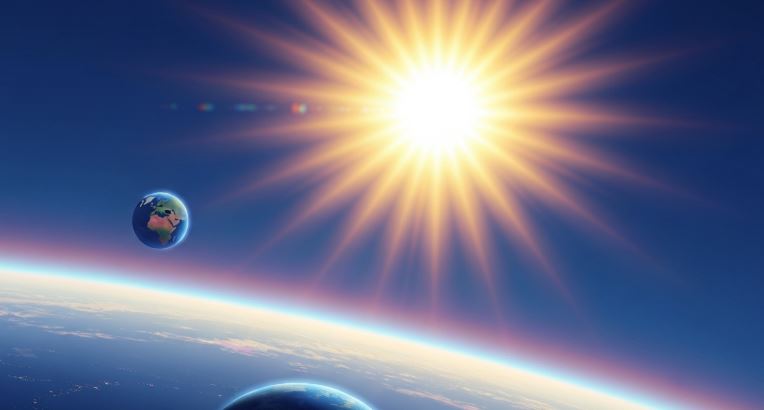
- The true color of the sun is pure white when you look at it from space. There is no earth’s atmosphere to change how it looks.
- The sun looks yellow to us on earth because earth’s atmosphere scatters the shorter colors of visible light, like blue and violet.
- This light scattering happens, so more yellow and red visible light gets to our eyes.
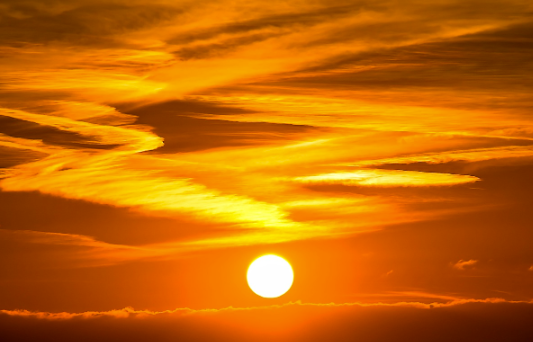
- The sun’s color can look orange or red at sunrise and sunset. This change happens because light goes through more of earth’s atmosphere then.
- Saying the sun is yellow comes from culture. The true color of the sun is not yellow when you look at it with no air in the way.
Introduction
If someone asked you to draw the sun, what color would you pick? Most people would go for a yellow or orange crayon. That’s how we see it in the sky, and that’s what we’re told growing up. But the true color of the sun is not yellow. The sun in our solar system is full of surprises. Its real color is hidden in the visible spectrum, and not what many expect. Let’s find out what gives the sun its true color and explore what really makes up the sun’s color.
General characteristics
The sun is at the center of the solar system. It is a huge sphere of very hot gas. Inside, nuclear fusion happens. This means the sun turns hydrogen into helium, making a lot of energy. The sun is called a main sequence star. This means it is steady and not changing much right now. It also makes a strong magnetic field that reaches far out into space. The layers of the sun are all important. Each one helps the sun work the way it does, from the very hot core to the part we see.
When people talk about the sun’s surface temperature, they mean the photosphere. This part of the sun gives off the light that we see. The temperature on the photosphere is about 10,000 degrees Fahrenheit. That is close to 5,500 degrees Celsius. The color of the light from the sun comes from this high heat. Knowing these things is important when trying to find the true color of the sun. Next, let’s talk about what people think when it comes to the color of the sun.
Common Misconceptions: Why Is the Sun Yellow?
Many people think the sun is yellow. This is a very common mistake in science. We learn at a young age to see the sun as a yellow circle. We draw it in the corner of our pictures, bright and full of yellow light. But why do we think this way?
The sun’s color is not really yellow. What you see is just how the atmosphere makes it look that way. The visible light from the sun goes through the air before it gets to your eyes, and that is why the sun seems yellow. Let’s talk about how this idea became common, especially in stories and pictures from different cultures.
The Origins of the “Yellow Sun” Idea in India
In India, the colour of the sun is usually shown as yellow or saffron. People also see the yellow light in art and culture there. Many religious and cultural images show Surya, the sun god, riding on a chariot. The sky in these pictures glows with golden or yellow light. This helps the idea that the sun itself is yellow stay strong for people in these places.
These art and culture pieces show the sun the way we see it from the ground. When the sun comes up or goes down, the sun is low, and it can look yellow, orange, or red. People like to use these moments in stories and pictures.
In the end, these stories show what people feel. They do not show true space facts. The yellow sun means a lot to people. But it looks yellow because the blue light is spread out by the atmosphere. That is why we see yellow light from the sun. We will talk more about how this happens. The sun looks yellow from Earth, as the atmosphere scatters blue light and the light that stays seems yellow.
Sun Color in Art, Culture, and Everyday Conversation
The yellow sun is not a concept that is only in India. People all over the world see it that way. When you look at languages everywhere, you find words for sunshine that make us feel warmth and think of a yellow shine. For example, you may hear about the “golden hour” or “a splash of sunshine”. These words help us match the sun with the color yellow in our heads.
This idea keeps getting stronger because of what we see in media. You can find yellow suns in children’s books and in company logos. Most people show the sun as yellow. But sunlight is not just yellow. The sun gives off white light. This light is a mix of all the colors of light that you see in the visible spectrum. When these colors come together, they make white light.
Here are some examples of how this keeps happening:
- Art: Painters in history used yellow and orange colors. They did this to show the warmth and light from the sun.
- Literature: Poets and writers like to talk about the sun. They use words such as “golden,” “amber,” or “fiery” to describe it.
- Cartoons: Kids’ cartoons almost always show a bright yellow sun with a big smile.
What is the electromagnetic spectrum?
To know what color the sun is, we have to see the full range of light and energy, called the electromagnetic spectrum. This spectrum includes many kinds of light that have different wavelengths. It goes from very short gamma rays to very long radio waves. The sun spreads its energy across all of the electromagnetic spectrum.
Our eyes can see only a small part of visible light. This range is called the visible light spectrum. It has all the colors we see, like violet and red. The sun’s light mixes all of these colors together. The air around earth makes the color of the sun look different, because it scatters some of the light waves before we see them. Now, let’s look at what scientists say about the true color of the sun.
What Is the True Color of the Sun According to Scientists?
Scientists say that the true color of the sun is not what we see from Earth. If you were to look at the sun out in space, not through earth’s atmosphere, you would see a color of the sun that is very bright and looks pure white. It shows this true color because the sun gives off all the colors of visible light. These colors are in the visible light spectrum and are sent out in almost equal amounts.
When you mix all these colors, your eyes see it as white. Scientists show this by using devices on satellites such as the Solar Dynamics Observatory. These get images of the sun from outside the air of the earth. Let’s talk about how this works and what the sun looks like when it is in space.
Scientific Explanation Behind Sun Color
The sun looks white because of its surface temperature. The surface temperature is about 10,000°F (5,500°C). At this heat, it gives off light over the full color spectrum. The strongest light is in the green part. But the sun shines in all colors you can see, like violet, blue, yellow, orange, and red. All these colors mix together. This is what makes the sun look white.
Our human eyes cannot pick out just one big color from this strong mix. Instead, the brain works with all the colors from the sun and sees them as white. It is like when a color wheel spins fast—the colors come together into one.
The sun looks yellow to us at some times during the day because the air on Earth spreads out the shorter blue and violet light. This lets the longer wavelengths, such as yellow and red, come through to our eyes. So, we see the sun as yellow.
What Is the Colour of Sun in Space?
If you were floating in space as an astronaut, you would see the sun very differently. The earth’s atmosphere is not there to spread the sunlight. You would see the sun as pure, white light. It would look very bright in the deep black of space.
Spacecraft such as the Solar Orbiter and photos from the International Space Station show this clearly. In the pictures, the sun looks like a pure white star. They take these shots from above the upper atmosphere, where the air does not change the way the sun looks.
Seeing the sun as white can remind us that what people see from Earth is only one view. If there was no air around the planet, people would notice the sun looks like a clear spot of white light. This white light brings together all the visible light colors found in the rainbow, all at the same time. Looking at that can help people see how much the planet’s air changes the way we see the sun.
The Role of the Atmosphere in Changing Sun Color
Earth’s atmosphere is the main reason we do not see the sun as white. This layer of gases, which has many air molecules in it, acts like a huge filter for light from the sun. When sunlight comes down to the surface of the earth, it meets these air molecules. That changes the way we see its color.
Yes, the air changes the color of the sun that we see. This happens because the filter that the air makes is not the same for every color. Some colors go out faster and easier than others. That changes the color of light that gets to our eyes. Let’s look at how this filter works and how the way light goes out makes the sun look different.
How Earth’s Atmosphere Filters Sunlight
Rayleigh scattering is the name for how sunlight gets filtered. This rule in science shows how light rays mix with tiny things. These tiny things are smaller than the wavelength of light. In our air, there be many nitrogen and oxygen molecules that do this job. Rayleigh scattering changes how we see the sun’s color from Earth the most.
When visible light comes into the atmosphere, it does not go straight through. Different colors in the light have their own wavelengths. These wavelengths get scattered in many directions. Shorter wavelengths, like blue and violet light, get scattered much more than longer wavelengths like yellow and red.
Here’s a simple breakdown of the process:
- The sunlight, known as white light, goes into the atmosphere.
- Air molecules spread the shorter blue and violet light rays all over the sky. This is why we see the sky as blue.
- The light left, without some of its blue and violet parts, travels straight to our eyes.
Light Scattering and Its Effect on Sun Appearance
Rayleigh scattering takes away much of the blue light and violet light from sunlight before it reaches us. The light that is left has more longer wavelengths in it. Our eyes see this changed mix as yellow. This is why the sun looks yellow from Earth, even if its true color is not yellow.
The blue light does not just go away. Instead, it gets sent out in every direction. This is what makes the sky look blue when the day is clear. The sun’s light that comes straight to you has lost some of the blue light. Because of this, it starts to look more yellow.
The sky always puts on a show. This happens because the shorter wavelengths of light scatter in the air. That is what makes the sun look yellow and the sky look blue. If this did not happen, the sky would look black in the day. The sun would also be bright white all the time.
Why Does the Sun Appear Yellow, Orange, or Red at Different Times?
Have you ever seen how the sun looks different at times in the day? Sometimes the sun is a pale yellow around noon. But when it is sunrise or sunset, it can turn into a deep orange or even red light. The sun does not really change its color. What happens is, its light goes through different amounts of atmosphere during the day and that changes how we see the sun in these different colors.
The path that visible light takes to reach the surface of the earth is shorter when the sun is above us. It gets much longer when the sun is near the horizon. This change in distance affects the range of wavelengths that you see, which is why the sky can look orange or red at times. Let’s take a look at how this color changes each day.
Morning and Evening Sky: Sun Color Shift Explained
When the sun comes up and goes down, it stays low near the ground. At this time, the light from the sun must go through a lot more air than during the rest of the day. That means the sunlight meets many air molecules. These air molecules help to spread the light around.
Intense scattering takes out nearly all the shortest wavelengths in the visible spectrum like violet and blue, and it also gets rid of a lot of green and yellow light. After this happens, the longest wavelengths stay, which are orange and red. This is why the sun can look yellow, orange, or even bright red when the day starts and ends.
The way the sun looks depends a lot on where it is in the sky and the air around it. The atmosphere can change its color more at some times than others.
| Sun’s Position | Amount of Atmosphere | Light Scattering | Apparent Sun Color |
|---|---|---|---|
| Overhead (Noon) | Least | Less Scattering | Pale Yellow / White |
| On Horizon | Most | Most Scattering | Orange / Red |
Noon and Clear Skies: Why Is the Sun Less Yellow Then?
At noon, the sun is high in the sky. Its light takes a short way down to you. There are less air molecules in this path, so not much of the direct sunlight gets scattered. Because of this, the sun looks yellow from Earth. The color is not as strong as it is during sunrise or sunset.
Some scattering of shorter waves like blue and violet keeps happening, so the sky stays blue. But now, more of the original visible light spectrum passes through. This makes the sun look really bright, pale yellow, or almost white.
The strong light at noon can make it hard for our eyes to see the sun’s true color. The bright glare makes the sun look like a white disk. This white color is closer to what the sun really is, instead of the deep yellow or orange that we often see when it is near the horizon.
Sun Color Versus Other Stars: Are All Stars Yellow?
The sun is one of many stars found in the Milky Way galaxy. These stars are not all yellow. A star’s color shows its surface temperature. The sun is a yellow dwarf and is a G-type main-sequence star. Stars can be red, orange, yellow, white, or blue.
The name might make you think something else, but the sun’s true color is actually white. When you compare the sun to other stars, it helps you see where it fits in the universe. Let’s look at how scientists put the sun into groups and see how it is like or unlike the stars you see at night.
Sun’s Classification Among Stars
In astronomy, stars are sorted by spectral type. This is based on their temperature and the light they give off. Our sun is a G2V star. The “G2” tag puts it in the G-type group. The “V” part shows it is a main-sequence star. This means the sun is burning hydrogen and is in the steady part of its life.
Stars in the G-type class are often known as “yellow dwarfs.” This name comes from the past, but it is not really correct. Today, we know the sun’s color is white. People called these stars “yellow” because that is how they look from Earth when we see them through the air.
Not every star in the sky is yellow. Stars that are hotter look blue. Stars that are cooler look red. When we say “dwarf” star, we mean stars like our sun that are not as big as giants such as red giants. The sun is right in the middle when it comes to size, color, and temperature.
Comparing Sun Color with Stars We See in the Night Sky
When you look up at the night sky, you see stars shining with different colors. If you look close, you can see a color spectrum in the dark. These colors show things about the stars. The color tells you about the temperature, age, and size of each one. The sun’s color is white, so it sits in the middle of this color spectrum among stars.
The color of the sun, compared to other stars we see, helps us understand how stars burn their fuel. The sun’s color is white light, and it’s right between the hotter and cooler stars. Hotter stars use up their fuel much faster, so they live for less time. These stars have a blue-white color and shine very bright. Cooler stars burn their fuel more slowly, and they last much longer. These stars give off a red glow.
Here’s a quick comparison:
- Blue Stars (e.g., Rigel): These stars get very hot. The surface temperature of these is higher than 45,000°F (25,000°C).
- White Stars (e.g., Sun, Sirius): These stars are in the middle range. Their temperature is about 10,000°F (5,500°C).
- Red Stars (e.g., Betelgeuse): These are the coolest stars. A red giant like this has a temperature less than 6,500°F (3,500°C).
Photography and Technology: Why Do Some Images Show a White or Yellow Sun?
If you take pictures of the sun, you can get many different results. Some images of the sun look like a bright white spot. Others have a clear yellow circle. Why does this happen? The way a camera takes images of the sun depends on the camera’s settings and camera type.
The way the sun looks in photos depends on technical things and how people choose to show it. The picture may not look like real life. That is why the sun can appear white in some photos and yellow in others. Camera settings and different kinds of science equipment help shape what you see.
Camera Settings and Perception of Sun Color
When you use a regular camera and try to take pictures of the sun, the camera sensor gets too much bright light. Because of this, the images of the sun often look like a plain white circle or blob. The sensor can not pick up all the visible light that comes from the sun. That is why the sun shows up as white in some images of the sun, not yellow.
To get a picture of a yellow sun, photographers will often use certain filters or change things on their camera. They can lower the light in the shot to stop the glare. A photographer may also change the white balance to make the colors look warmer and more yellow. Many people do this because we usually think of the sun as being yellow.
What you see in a photo often comes from the photographer’s style. The person taking the picture aims to make an image that looks close to something you know and gives you the warm feeling people feel with sunlight. Sometimes, this person will change the color spectrum from what the camera got at first to make it feel right.
NASA and Scientific Imaging of the Sun
Scientific groups like NASA use special tools to get images of the sun. When they take photos in the visible spectrum and do not use any filters, the sun looks white. This is its true color. Missions like the Solar Orbiter and the Solar Dynamics Observatory show this in their images of the sun.
You may often see NASA pictures of the sun that have bright green, blue, or red colors. The sun is not really these colors. Scientists use something called false-color imaging. They do this to look at things you cannot see with the naked eye. They connect each color to a certain wavelength of ultraviolet light. This way, they can look at different layers and see what goes on at the sun.
Here’s why scientific images vary:
- Visible Light Images: These show the sun as white. This is its true color.
- False-Color Images: These use different colors. They help people see things like solar flares or magnetic field loops. The images show things that people cannot see in normal light.
- Educational Images: A lot of these images are colored yellow. This is to make them easier for people to know and feel familiar with.
Conclusion
To sum up, the topic about the sun’s color is really interesting. It shows the facts in science and makes us think about what we believe. The way the sun looks changes during the day. At sunrise and sunset, you may see colors like orange and red. In space, you see bright white light. The look of the sun depends on things like the air around us and the time of day. If you know more about these parts, you may understand better what you see. The next time you look at the sky, notice how light and air work together to shape our view of the sun. If you want to learn more about this bright star, feel free to get in touch with us for more talks and info!
Frequently Asked Questions
Why does sunlight look yellow from Earth?
Sunlight looks yellow when you see it in the sky. This happens because of something called Rayleigh scattering. Sunlight gives off visible light. When this light goes through earth’s atmosphere, the air molecules spread out the blue light. The blue light has a shorter wavelength, so it does not get to you as much. What is left is yellow light and some red, and that is what reaches your eyes. So, the sun gives off a yellow light that we can see.
What would the sun look like without Earth’s atmosphere?
Without the earth’s atmosphere to spread out visible light, the sun would show its true color, which is a bright and pure white. All the colors in visible light would reach you together as white light. The sun’s color would stand out as a shining ball on a black background or the space.
Are there places on Earth where the sun doesn’t appear yellow?
Yes. When you are up high, there is less air above you. This makes the sun look whiter. There is not as much spreading of light there. The same thing happens when the sun is right above you at noon. The direct sunlight does not pass through a lot of air. This makes the sun look almost white or a very light yellow. It is not the same as how it looks at sunrise or sunset.
Did the Sun used to be yellow?
The way we see the sun’s color has changed because of the air around us. The sun looks yellow when you see it from Earth, mostly early in the day or at night. But the sun gives off white light. Long ago, people may have thought the sun was mostly yellow because of how they saw it.
What is the Color of the Sun: White or Yellow?
The color of the sun looks yellow from Earth. This happens to the sun because our atmosphere scatters its light. But if you go into space, you will see that the sun gives off light that is more white. So, even though many people may think the color of the sun is yellow, the true color of the sun is white. Where you are and what is in the air change how you see the color of the sun.
What is color of the sun? Why do we see it as yellow?
The real sun’s color is white. This is because it sends out all colors of visible light. We see the sun as yellow. This happens since earth’s atmosphere scatters some light. It spreads the shorter blue and violet parts of visible light. Human eyes notice the light that comes through best. That light has more yellow and red tones, so people think the sun is yellow.