Key Highlights
Here are the main things to know about how much it costs to make a one-rupee coin:
- The cost to make a single one-rupee coin is ₹1.11. This is more than the face value of the coin.
- The Indian government also has to spend more to make the ₹2 coin because it costs ₹1.28 to make.
- Higher denominations, such as the ₹5 and ₹10 coins, cost ₹3.69 and ₹5.54 each to make. This means the government makes some profit from these coins.
- All coins are made in Indian Government Mints. The main mints are in Mumbai and Hyderabad.
- This information comes from a Right to Information (RTI) query in 2018.
Table of Contents
Introduction
In a time when many use digital payments, the one-rupee coin may look like a small part of the past. Still, the rupee coin is a real symbol of value and many people in India use it each day. You might not know the real cost for the Indian government to make this familiar coin. The answer might surprise you. The process for coin production costs more than the coin’s face value. This makes for a problem that many find interesting. Let’s see how much it really costs to make the rupee.
Ek Rupee Coin Ki Manufacturing Cost: Sach Kya Hai?
You may be surprised to know how much it costs to make the one-rupee coin. A 2018 RTI report showed that the cost to mint one rupee coin is actually ₹1.11. This means the price to make the rupee coin is more than its own value.
This shows some good questions about coin production and the economics that go with it. When it costs more to make a coin than its face value, the government has to do some tough math. The actual costs are more than just the metal; they cover everything in the production line. This is a big thing for lower denominations, because the prices of material and labor can be higher than what the coin is worth in the end.
Ek Rupee Coin Banane Mein Sarkar Ka Real Kharcha Kitna Hota Hai?
The Indian government pays ₹1.11 to make every rupee coin that goes into circulation. So, it loses 11 paise for each coin. These production expenses include the cost of the metal and the minting process for the rupee coin.
This figure is from 2018, but it is good to remember that costs change with time. Metal prices and production expenses have gone up over the years. So, the actual cost in 2024-25 will likely be higher than the ₹1.11 that was reported.
This loss of money may not make sense at first, but the government still makes these coins. The coins last much longer than paper notes. This makes them needed in the currency system. People use them for small things every day. In the long run, their cost makes sense because they stay useful for a long time.
Manufacturing Cost Calculate Karne Ki Process Aur Factors
Calculating the cost to make a coin takes several steps. A group like the Security Printing and Minting Corporation of India Ltd leads this work. The final cost is not only about the metal. The cost includes other production costs as well, not just the raw stuff that goes into the coin. In India, their team checks all of these steps closely to get the right number.
Many important things are looked at when finding out how much it will cost to mint a coin. These things include:
- The cost of the metals that be used, like stainless steel.
- The money spent for the machines that do the minting.
- What is paid to the people who make the coins.
- The fees for moving and sending out the coins so they go into circulation.
Global metal prices go up and down often. Because of this, coin production costs can be hard to keep steady. The people in charge must keep an eye on these production costs all the time. Managing coin production gets tough because metal prices keep changing.
Ek Rupee Coin Ki Manufacturing Ke Pehle Steps Aur Main Mint Center
The Government of India takes care of the journey of a one-rupee coin from raw metal all the way to your pocket. Most paper money is managed by the RBI, but when it comes to coins, the government does all the work. The coin production process takes place at special places across India.
These safe places, called mints, have big machines. These machines stamp and shape metal. With them, we get the coins we use day to day. The main mints are placed in key spots. Their job is to handle the country’s coin needs. Now, let’s see where the coins come from and what goes into making them.
Bharat Mein Coin Minting Centers Aur Production Locations
India makes coins in several places. Two of the main locations are the Indian Government Mints in Mumbai and Hyderabad. These mints lead the way to make coins for people all over the country. They also make the one-rupee coin that is used everywhere.
These mints have strong security. The people working there turn blank metal discs into coins we use every day. This takes a lot of care and follows strict rules. The government checks all steps to make sure the money made in these places is always good and trustworthy.
Here is a simple breakdown of the main mints:
| Mint Location | Operated By |
|---|---|
| Mumbai | Indian Government Mint (IGM) |
| Hyderabad | Indian Government Mint (IGM) |
There are some other mints in India, like the ones in Kolkata and Noida. But the reports talk mainly about Mumbai and Hyderabad. These two places are the main ones where these coins are made.
Ek Rupee Coin Banane Ki Prakriya Mein Kaunse Metals Ka Upyog Hota Hai?
The metal mix in a rupee coin helps it stay strong and keeps costs low. Right now, the one-rupee coin you get in circulation uses mostly Ferritic Stainless Steel. The main reason for picking this stainless steel material is that it does not easily rust or wear down. Because of this, the rupee coin lasts for a long time when people use it day after day.
The use of stainless steel makes the coin last a long time. This is better than paper notes because they wear out fast. The strong coin can be good, because even though the first cost to make it can be high, it will last for many years and be worth it. This way, people can use the same coin for a long time.
The size and weight of the one-rupee coin made from this material are:
- Material: The item is made from stainless steel.
- Weight: It weighs 3.76 grams.
- Diameter: The diameter is 21.93 mm.
- Thickness: The thickness is 1.45 mm.
Coin Making Cost: आम तौर पर एक रुपये का सिक्का हर किसी को नजर आ जाता है. लेकिन, बहुत कम लोग ही जानते हैं कि इसे बनाने में सरकार को कितना खर्च करना पड़ता है. RBI की RTI रिपोर्ट इसका जवाब दिया गया है. रिपोर्ट में न केवल एक रुपये के सिक्के की लागत की जानकारी दी गई है, बल्कि बाकी सिक्कों की लागत, नोटों की छपाई का खर्च का ब्योरा भी दिया गया है.
The cost to make coins came out when someone filed a Right to Information (RTI) query. We got the response from the Reserve Bank of India (RBI). The RBI explained how much it costs to produce a rupee coin. A one-rupee coin costs ₹1.11 to make. This report helped us see the real expenses behind coin production in India. Now, we know more about what goes into the money we use every day, thanks to this RBI case.
The report pointed out that there is a difference between the making of coins and the printing of currency notes. The government handles the making of all coins and the one-rupee note. The RBI takes care of printing of currency notes, including all denominations from ₹2 to ₹500. This way of dividing the work shows there are different costs and benefits for coins and notes. Printing of currency notes is usually more good for the central bank than minting coins with smaller rupee values is for the government.
1 रुपये के सिक्के की बनावट कैसी होती है?
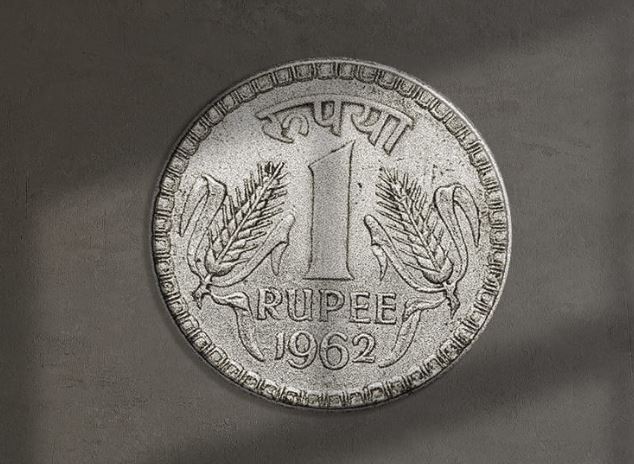
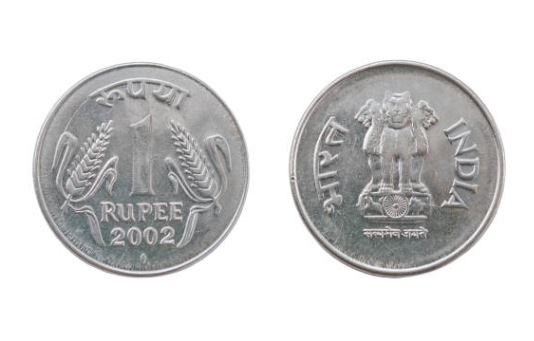
The one-rupee coin is easy to spot and most of us know it well. This familiar coin is made out of stainless steel. You can feel that it is strong and will last a long time. The rupee coin has a diameter of 21.93 mm. Its thickness is 1.45 mm. All of this makes it simple to pick up and tell apart from other coins.
The coin weighs just 3.76 grams. It feels light, but it is strong. For many people, the coin is not only money. It is a symbol of value. This has stayed the same even when other things in the economy change. The way the coin is made helps it last for a long time in circulation. It can be around for decades, which is much longer than a paper note. The durability is a big part of why it is made this way.
भारतीय मुद्रा में एक रुपये का सिक्का बनाने की लागत 1.11 रुपये है। एक रुपये का नोट और सभी सिक्के सरकार बनाती है। जबकि 2 रुपये से 500 रुपये के नोट भारत रिजर्व बैंक (आरबीआई) मुद्रित करता है। 2000 रुपये के नोट की छपाई अब आरबीआई ने बंद कर दी है।
The cost to mint coins in India depends on the rupee coin’s value. A one-rupee coin costs more to make than it is worth. But when the value of the coin goes up, things change. The Reserve Bank of India and the government try to balance all the costs with the need for different denominations. The government looks after coins. The Reserve Bank of India prints notes from ₹2 to ₹500. It stopped printing the ₹2000 rupee note.
Here is a look at the manufacturing costs for different coins. This shows that the cost pressures are not the same for each type of coin.
| Coin Denomination | Manufacturing Cost |
|---|---|
| ₹1 Coin | ₹1.11 |
| ₹2 Coin | ₹1.28 |
| ₹5 Coin | ₹3.69 |
| ₹10 Coin | ₹5.54 |
You can see that the ₹5 and ₹10 coins are made at a cost that is less than their face value. This makes them a good choice for the economy. But the ₹1 and ₹2 coins are different. It costs more to produce them than what they are worth.
Conclusion
Knowing how much it costs to make a one-rupee coin helps people see how currency is made in India. A lot of people do not think about the real cost of minting coins. The truth is that every one-rupee coin costs the government around 1.11 rupees to make. This fact shows the real value that goes into the rupee coin. It also helps us see the work and resources spent to create it. If you want to learn more about Indian currency, you can share this info on social media to help others know and join the conversation about the rupee coin in India.
Frequently Asked Questions
How much would the value of Rs. 1 in 1947 be today?
Figuring out the actual value of one rupee from 1947 in today’s time is not easy. There is much more involved than just how prices have gone up over the years. You have to look at the whole monetary landscape and see how things like the country’s gold reserves and growth have changed. A lot of people feel nostalgia when they talk about it. Still, it’s hard to get a direct and true answer to what the actual value would be now.
Kya Ek Rupee Coin Banane Ka Kharcha Uske Mulya Se Zyada Hota Hai?
Yes, making a one-rupee coin costs more than the coin is worth. A report from 2018 says that it takes ₹1.11 to produce each rupee coin. This shows there have been cost pressures in coin production. It is common with coins with lower denominations, like the rupee coin. The face value does not cover the production costs, and this is part of the way the economics of coin production work.
Recent Saalon Mein Ek Rupee Coin Ki Manufacturing Cost Mein Kya Changes Aaye Hain?
Even though there are no newer figures out for the public, most people say the cost to make coins has gone up since 2018. This is mainly because of higher production expenses and metal prices that keep changing. All of these create more cost pressures. The way people use currency also keeps changing, and that can make the cost go up.
India Ke Alag Alag Coins Ki Manufacturing Cost Mein Kya Antar Hai?
There is a clear difference in the production costs of the coins in India. A ₹1 coin costs ₹1.11 to make. A ₹5 coin costs ₹3.69 to produce. A ₹10 coin costs ₹5.54. These costs change because the size, weight, and metal of each coin are not the same.
does this coin have any value? : india
Yes, the one-rupee coin does have value. The actual value of the rupee coin is one rupee. It is legal all over India. This coin is a symbolic part of India. People use it in small, daily deals, and it means a lot to many in the country. The rupee coin is still important in the Indian economy and the way people live.
What is the cost of producing a 1 rupee coin?
A 2018 RTI disclosure shows that it costs ₹1.11 to make one rupee coin. The production expenses include the price of raw materials and the coin production process. The economics of coin production means the cost of the rupee coin can be more than its face value. This gives us a good look at how production expenses affect the value of a rupee.
How much does it cost to make an Rs. 10 coin?
The cost to make a ten-rupee coin is ₹5.54. The production expenses for this rupee coin are much lower than its face value. This is not the case with smaller denominations. Because of this, the ten-rupee coin be one of the most efficient coins for the government to keep in circulation.