Key Highlights
- The Statue of Liberty was given as a gift from the people of France to the United States. It marks American independence.
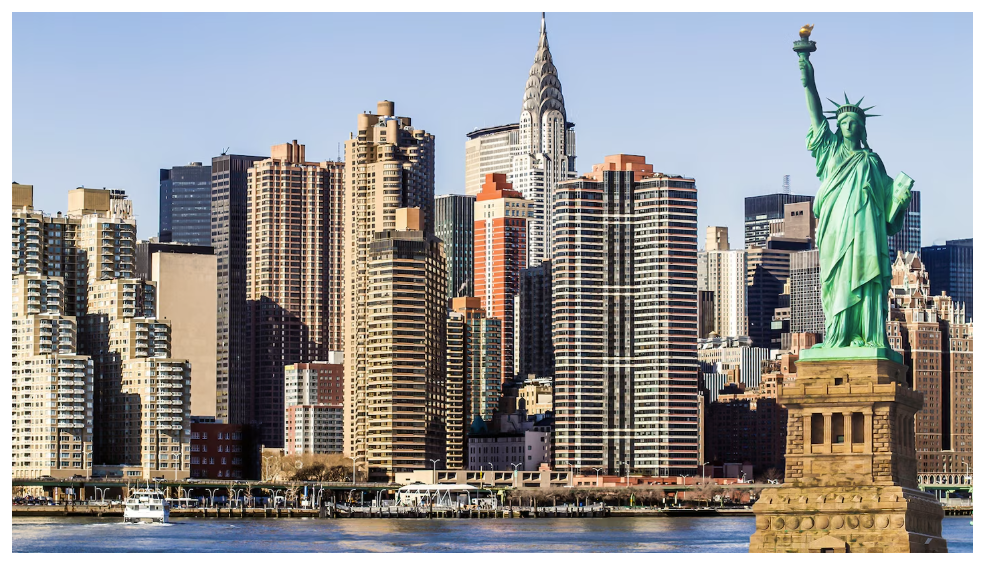
- The statue stands on Liberty Island in New York. It is part of the Statue of Liberty National Monument. This national monument includes nearby Ellis Island.
- The main designer was Auguste Bartholdi. Gustave Eiffel made the inside frame of the statue.
- The statue is seen as a strong symbol of freedom and hope. Many people around the world know it for this meaning.
- The torch in her hand is about leading the way and bringing light. The broken chains near her feet show the end of slavery and oppression.
Introduction
Welcome to the story of a well-known figure seen all over the globe! The Statue of Liberty is not just a tall statue in New York City. She stands for hope and freedom, and people everywhere know what she means. For more than one hundred years, this gift from France has met visitors and new people arriving from other countries. She stands strong as proof of what liberty can be. The National Park Service takes care of her and makes sure that her story stays as big as her look. Do you want to hear about how this famous lady in New York came to be? Let’s find out!
The Origin of the Statue of Liberty
The story of the Statue of Liberty starts in France. The statue was meant to be a big gift for the United States. It showed the strong friendship between France and the United States. The statue was made to help celebrate one hundred years of American freedom. A French historian named Édouard de Laboulaye thought of the idea. Then, the artist Auguste Bartholdi worked hard to make the vision of Lady Liberty real.
This big project was something that both countries did together. The people of France paid for the statue. The people in America helped get money for the base that the statue stands on. Let’s find out about the important times and the people who helped make it happen in New York.
Historical context and inspiration
The idea for the statue came up in 1865. This was right after the Civil War in the united states ended. At that time, the result of the war made a big mark on Édouard de Laboulaye, who was a French political thinker. He thought of the united states as a bright light for democracy. The way the country fought for its values really stuck with him.
The recent abolition of slavery in the U.S. was very important for his idea. This big change showed that America was serious about freedom for all people. Laboulaye wanted to give a gift that would honor both American independence and this win for human rights.
The statue was meant to be a strong symbol of freedom. It was made to honor the things that France and the United States have in common. This symbol of freedom gave hope to people. It was inspired by an important moment in American history.
The relationship between France and the United States
Why did France give such a big gift? The story goes back a long way. The relationship between France and the United States started many years ago. Back during the American Revolution, France helped the American colonies. They fought with them so the colonies could become free from Great Britain. This help made a strong connection that both sides remember even now.
The statue was a gift from the people of France to the United States. They gave it to honor the 100th year since the declaration of independence. The gift was also a sign of close friendship between the two countries. The people of France wanted to show that both nations value freedom and share many of the same beliefs about democracy.
This monument was not only a statue. It was a sign of how much the united states and France respected each other. It showed that both of them went through hard times to be free. This monument held the hope that the idea of freedom would always live on in both the united states and France.
Conceptualizing liberty and freedom
The statue is officially called “Liberty Enlightening the World.” This name shows what the statue is all about. The idea was to make a figure that stands for liberty. It was not meant to be a conqueror. Instead, it shows liberty as something peaceful that brings light. The creators picked this idea because they looked up to the values in America. They wanted the statue to show those values of liberty enlightening everyone.
A big part of this idea was how it ties to the abolition of slavery in the United States. The statue was made to show the end of harsh treatment and the start of a new time with freedom for all. There is a broken shackle and chains at the feet of the statue. This shows the end of slavery and the hope that people can now move forward. With these symbols, the sculptor marked an important change and celebrated how the end of slavery shaped the united states.
In the end, the statue was made to be a symbol of freedom for everyone. It was not only for America. It was there to give hope to all people, showing the ongoing path toward freedom and fairness for all.
Early proposals and dreams
The idea for the statue started with a French historian named Édouard de Laboulaye in 1865. He wanted the people of France to give a big gift to the United States. This gift would be to help mark the centennial celebration of American independence in 1876. He thought the monument would show how both countries care about liberty and their strong bond.
A young sculptor named Frédéric Auguste Bartholdi was at this meeting. He was moved by Laboulaye’s strong idea. After hearing it, Bartholdi started to think about the huge structure that would later be in New York Harbor. In the beginning, he worked on designs that showed a grand and powerful figure.
The dream was big. The plan was to create a huge statue in France. People wanted to send it over the ocean to America, and put it together there. This idea started a long project. It took a lot of time and hard work from people in both France and America.
Notable figures in its inception
Many great thinkers helped build the Statue of Liberty. The main artist was French sculptor Frédéric Auguste Bartholdi. He planned the statue and took care of building it in France. His love for the project pushed the work forward and made it happen.
To handle the big building tasks, Bartholdi got help from Gustave Eiffel. Many people know Eiffel. He later made the Eiffel Tower. Eiffel came up with the inside support made of iron and steel. This helps the statue’s copper skin stay in place. It lets the statue stand strong, even when the wind blows in the harbor.
Raising money for the pedestal in America took a long time. The process was slow at the start. Things began to change when Joseph Pulitzer started a big campaign in his newspaper, the New York World. Richard Morris Hunt, an American architect, made the design for the pedestal. Then Emma Lazarus wrote the poem “The New Colossus” for a fundraising event. Her words added a deep meaning to the statue. Now, people always remember new york, new colossus, Emma Lazarus, Richard Morris Hunt, and Joseph Pulitzer when they think of the statue.
Statue of Liberty Meaning and Symbolism
The Statue of Liberty stands for more than a simple statue. Every part of her means something special. The torch in her hand and the broken chains by her feet show us ideas of hope, freedom, and what it means to be able to speak up and choose. The meaning of the statue is about dreams where people can live free. The broken chains remind us that we can break away from what holds us back. There is hope in the way she stands, and all people look to her for something better.
She is like an open arm to people who want to come to the country and find a better life. People see her as a sign of hope. She has become a part of what America means to many. Let’s talk about what her most well-known features stand for.
Core symbolism and national identity
From the day the Statue of Liberty was dedicated, it started to become part of the American identity. It did not stay just a gift. It turned into a national monument that shows what the country stands for. Now, for many people, she is seen as the top symbol of the American dream.
Her spot close to Ellis Island made her feel welcoming to many. Ellis Island was where countless people arrived looking for a new life in America. For them, she was the first thing they saw. Her picture stood for a chance and the hope to start over.
Today, the statue is an important symbol of freedom in America. People feel that this statue is tied to the country’s national identity. It shows the story of a country that gives shelter to people, and its hope to stay a free land. Many feel proud of this powerful symbol. Americans, no matter where they come from, feel a strong sense of patriotism when they see it.
Representation of freedom and democracy
The Statue of Liberty stands as a strong symbol of freedom and democracy at its core. The name “Liberty Enlightening the World” shows what she stands for. She does not carry a weapon. Instead, she holds a torch in her hand. This torch is about moving forward and learning. It lights the path for everyone who wants freedom.
The creators chose this design for a clear reason. They wanted to show respect for the American system of government. They also hoped to highlight the ideas of liberty that started the nation. The statue was made to always remind people how important democracy is. It also shows that people need to keep working to protect these values.
Over time, people have used her image in many movements for freedom and human rights all over the globe. She is a symbol of freedom that brings hope to people everywhere. She helps all of us feel strong and ready to work for a place where democracy and liberty are for everyone.
The significance of the torch and tablet
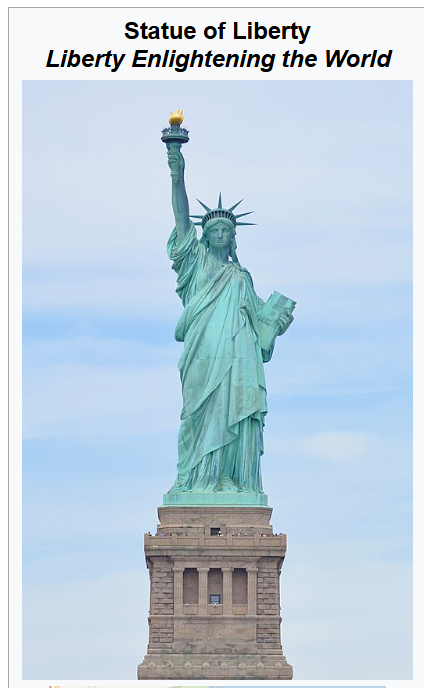
Have you ever thought about what the statue has in her right hand? She holds a big torch up high in her right hand. This torch means hope and shows the way to freedom and fairness. It is there to shine a light so people can move forward and feel safe in the world.
She holds a tablet in her left hand. The tablet looks like a keystone. On it, you will see the date “JULY IV MDCCLXXVI” written in roman numerals. This is July 4, 1776. It is the day the declaration of independence was adopted. That day is very important in american history.
The tablet stands for a book of law. It helps show how the rule of law is key to keeping a free society safe. When you put the torch and the tablet together, they show that liberty comes when there is light, and when people stick to fair laws.
The broken chains and their meaning
One thing that many people do not notice on the Statue of Liberty is the broken chains at her feet. If you look down from above, you can see that Lady Liberty is moving forward. She is not just standing. She is stepping away from a broken shackle and chains. This shows that she is leaving behind the past.
This feature points straight to the end of slavery in the United States. It shows freedom from unfair control, forced work, and harsh rule. The artist, Bartholdi, first thought about putting the chains in the statue’s hand. Later, he put them at her feet instead. He did this to send a strong message in a quieter way.
These broken chains show what it means to be truly free. They tell us that to have liberty, we must break loose from any form of bondage. The chains help us remember how the nation tried to keep its word to give freedom to all people. The broken chains are a strong sign of the end of slavery and stand for hope for all.
Influence on American values
The Statue of Liberty stands as a strong symbol of freedom in America. It has always been there to remind people of what the country stands for. Many look at it and think about what being free means. Over time, each new group of Americans finds hope and strength when they see her. The statue helps people feel proud of their country and its values.
Her image is now a symbol of America. It stands for not only freedom, but also hope for a better life and the chance to do well. The statue tells people that America is somewhere anyone can try to get ahead, no matter who they are or where they come from. This is why she is seen as a real symbol of American dreams and hopes.
Her meaning has changed with time. Now, she stands for welcoming people who come from other places. She is about accepting all kinds of people. She asks the country to follow the ideas it was built on. She helps people talk about what it means to be American today.
Design and Artistic Vision
The Statue of Liberty came to be through the teamwork of two smart people. Auguste Bartholdi gave the statue his idea for the design. Gustave Eiffel made the strong base inside to hold everything up. The way the statue looks is packed with meaning, like the points on her crown and the stuff used to build her.
Bartholdi had a big idea for a statue. He wanted the figure to look strong and calm at the same time. To make her skin, he used thin copper sheets. Now, let’s look more closely at how this work came together and the people with great ideas who made it real.
Frédéric Auguste Bartholdi’s creative process
Frédéric Auguste Bartholdi was at the center of the whole project with his ideas. He was the one to design the statue, being the sculptor behind it. Bartholdi looked to the old style of art, especially the Roman goddess of freedom, Libertas, for inspiration. He wanted to make something that would show the same spirit in a way that feels right for modern times. Auguste Bartholdi helped bring this old idea into our world today.
Bartholdi liked to make many small models and sketches when working on his statue. He wanted to get the pose and look just right. His idea was to show a person who looks strong and sure, but also calm. He chose how she stands, how her robes hang, and what she holds so that people see hope and slow, steady progress.
Bartholdi went to America looking for a great place for his statue. When he saw Bedloe’s Island in New York Harbor, he was sure this was the right spot. He wanted his statue to welcome ships coming in. Bartholdi’s strong belief in his art turned the statue from a small plan into a famous monument known all over the world.
Design features and aesthetic choices
Every detail in the statue’s look was chosen on purpose and has a story behind it. Her crown stands out with seven rays on top. The rays show a halo and remind people of the sun. Because of this, “Liberty Enlightening the World” reaches the seven continents and the seven seas.
In her right hand, she holds up a torch. It was first made from copper, but now it shines with gold leaf after the new piece was put in 1986. In her left hand, she carries a tablet. The tablet shows the date when America became independent. The statue’s skin is made from hammered copper sheets. These copper sheets changed to a green color as time went by.
Her robes look like what a Greek or Roman goddess would wear. This helps her look timeless and grand. The way she stands, lifting her right foot, shows she is moving ahead. This stands for progress and always moving toward freedom.
Role of Gustave Eiffel in engineering
Bartholdi made the statue, but Gustave Eiffel was the one who figured out how to build it. A statue so big in new york had to be strong so it could stand up to the strong winds in new york harbor. That was hard to do. Eiffel was the man who built the eiffel tower. He helped by making the full support system inside the statue.
Eiffel built a new kind of metal framework. It is a huge iron pylon that works like the spine of the statue. This main structure holds up another frame inside. The thin copper skin gets fixed to this small frame. A great thing about this design is the copper skin can move on its own. It does not move with the frame.
This flexibility is very important. It allows the statue to grow and shrink when the temperature goes up or down and bend a little in wind without breaking. If Eiffel had not used his smart engineering, the statue would not be so big and it would not stand strong on its base for more than one hundred years.
Selection and use of materials
The construction of the statue needed careful thinking about what materials to use. The outside part, called the skin, is made from about 176,000 pounds of copper sheets. That is the same as 31 tons. The workers used a method named repoussé to shape this copper. They pounded the copper sheets over wood molds for this job. The copper sheets are very important for the construction of the statue.
Copper was picked because it is light and lasts a long time. It is strong enough to build the shape of the statue. At the same time, it is light so that the inside frame can hold it. Over time, the copper mixed with air and water. This made the famous green layer. That layer keeps the metal under it safe from more rust.
The inside of the statue has a large metal framework made from iron and steel. Gustave Eiffel designed this metal framework. This skeleton gives the statue its strength and helps it stay steady. The strong but bendable frame, along with the light and tough outer layer, was a very special idea in the 1800s. This shows how smart the engineers were at that time.
Details of artistic symbolism
The meaning behind the statue is deep and full of details. The real name is “Liberty Enlightening the World.” The torch in the statue stands for progress and shows the way to freedom. This torch is like a light for people to follow. It is not used for fighting. The statue shows a peaceful way to reach liberty enlightening and not one with force.
The tablet that she is holding has roman numerals written on it. The numbers show July 4, 1776. This ties the statue to the important day when America became free. The crown has seven rays that show light shining out to the seven continents and seas. This helps share the statue’s message with the whole world.
Emma Lazarus wrote a well-known poem that helped people see the statue as the “Mother of Exiles.” The poem tells people that the statue welcomes immigrants. Every part of the statue works together. The message is clear and strong. It is about hope, freedom, and welcoming others. Many have felt this message for years.
Construction Process: From France to New York
Have you ever wanted to know how did they move such a huge statue from France to New York? The construction of the statue was a big team job that included people from different places. They built it completely in Paris the first time. After that, they took the statue apart, put it onto ships, and sent it across the ocean. Once it got to Liberty Island, they built it up again on its new home.
The story of building the statue was full of hard work and smart planning. People managed big tasks in engineering and moved huge parts across the ocean. They raised the money for it too. Workstarted in France, and it was finished in New York Harbor. The way they put it all together was special, just like the statue itself. Let’s look back at this journey in new york and see how it all came to be.
Building in France: Assembly and techniques
The construction of the statue started in France in 1875. The builders made many plaster models first. Each one was bigger than the last. They kept doing this until there was a full-size model. Then, they made big wooden forms from these models.
Artisans used a method called repoussé to make the outer layer of the statue. They hammered thin copper sheets onto wooden shapes. This helped to form the curves and lines of the statue. The work took a lot of skill and care. Every piece needed to fit together just right at the end.
After the workers shaped the copper pieces, they put them together on Gustave Eiffel’s iron frame. This took place in Paris. For a while, the statue stood high above the city’s roofs. People in Paris got to see this impressive statue before it was sent to America. Putting the statue together in France was not easy. It showed the great skills of the people who built it.
The journey across the Atlantic
After they finished building it in France, the next big thing was moving it. The huge statue was too big to send all at once. So, they took it apart into 350 different pieces. These parts were put in 214 big wooden boxes for the long trip.
In 1885, the French ship called Isère had to carry this important cargo across the Atlantic Ocean. The trip was not easy, but the ship kept going. It came into New York Harbor on June 17, 1885. There was a lot of excitement when it arrived. People in New York were happy to see the ship. But the statue still had some distance to go before the trip was done.
The crates sat on what used to be named Bedloe’s Island. They waited there because the new home for lady liberty was not ready yet. A pedestal, made and paid for by Americans, was still being built. So the broken-down lady liberty had to sit and wait on the island before she could go to her final spot.
Construction challenges and solutions
The work on the project ran into many building problems. It was hard to manage the way the statue was made and how it was paid for. The large size of the statue made it a special kind of problem in engineering. Gustave Eiffel came up with a new kind of support inside the statue. This helped keep the statue strong. It also let the copper parts on the outside bend and stay safe.
The united states faced its biggest problem when it came time to pay for the pedestal. The French paid for the statue, but the americans had to pay for the base. People tried to raise money, but it was slow. For a while, it looked like the project would stop.
The answer came from Joseph Pulitzer. He was the publisher of the New York World. He started a public drive to raise money. He told people that the newspaper would print each donor’s name, no matter how much they gave. This smart idea got over 120,000 people to help out. It got the money needed to finish the pedestal on Liberty Island.
Erecting the pedestal in the United States
With the pieces of the statue waiting in New York, everyone started to watch how the pedestal would be made in the United States. The American architect Richard Morris Hunt was chosen to design a big granite pedestal. His idea was to make sure the pedestal would be as eye-catching as the statue standing on top.
The place picked for the statue was Fort Wood on Bedloe’s Island. Fort Wood is shaped like a star. It used to be a place for the army. The base of the statue was made inside the walls of the fort. Now, these walls work as the main support for the whole monument. They started to build, but there was not enough money to keep the work going.
Thanks to joseph pulitzer and his fundraising push, the needed money was gathered. Work finished in April 1886. The pedestal was done and showed how giving the American people can be. It was ready for the huge gift from France.
Final assembly on Liberty Island
The pedestal on Liberty Island was finished in April 1886. After that, it was time to put the Statue of Liberty together. The workers opened the crates, which held 350 copper pieces. They started to rebuild the statue from these parts. It was a big job for everyone on the island.
Workers put the statue together with great care. They connected the copper skin to Gustave Eiffel’s iron frame, doing it step by step. It was like building a huge puzzle in the air above New York. This work took four months and needed a lot of effort from all of them.
At last, the last rivet was put in place. The statue was now finished and stood on her base, looking over the harbor. This final step showed years of dreams, planning, and hard work. Many people from France and the United States worked together to make it happen. Now, the statue was ready for her official dedication.
Dedication and Unveiling
The Statue of Liberty was given to the United States on October 28, 1886. A big event took place that day, and thousands of people came to see it. President Grover Cleveland led the ceremony and accepted the statue for the country. This day was important because it finished the centennial celebration of American independence.
It was a big day. There were parades. People made speeches to show the strong friendship between France and America. This time helped make the statue known as a strong and important national monument. Let’s look back at that special day.
The grand ceremony of 1886
October 28, 1886, was a big day for people in New York City. It was raining but lots of people still came out. They stood on land and waited in boats on the water near Liberty Island. Everyone wanted to see the grand event and the start of the Statue of Liberty. The bay near Liberty Island was busy with a huge parade of ships.
new york, liberty island, new york city
The ceremony on the island was big and special. President Grover Cleveland was there as the main guest. He gave a talk and took the statue from the French group. When they took the cover off the statue, all the people there cheered. Many boats also blew their horns to celebrate.
It was a proud and moving time for all of us. This day showed that the project was finished, after twenty years and work in two parts of the world. The dedication was just right. It honored the many hours that people put in and the friendship between countries that helped build the statue.
Key speeches and figures at the event
The dedication ceremony had several key people and speeches that many remember. President Grover Cleveland spoke and gave the main speech. He accepted the statue for the whole country. He said, “we will not forget that Liberty has here made her home.”
The French delegation gave the statue as a sign of the lasting friendship between the two countries. The names of those others who helped out were not on the speaker’s list that day, but what they did was important and felt by all. Joseph Pulitzer and his fundraising work were key. Without his help, the day would not have happened.
Emma Lazarus wrote her famous poem “The New Colossus” for a fundraising auction three years earlier. At that time, she was not part of the official ceremony. Later on, her words would be closely tied to the statue. The poem helped make it stand out as a sign of hope for people moving from other countries all over the world.
Public reactions in both France and the U.S.
The people in the United States liked the Statue of Liberty when it was shown. Many also in France felt good about it. In France, people saw the statue as a big win for their art and building skills. They thought it was a kind gift to another country. The people of France gave money for it and felt proud. They were happy to see their gift standing tall.
In the United States, the statue was welcomed right away as a new national monument. People were amazed by how big and beautiful it was. It soon became something that made all Americans feel proud. The public fundraising helped many feel like they owned a part of it together.
The statue made the strong connection clear between the two countries. Both went through big changes for freedom. People in both places saw the monument as a great win that they shared. Everyone celebrated it on both sides of the ocean.
Media coverage and lasting impressions
Media coverage of the statue’s dedication was huge. Many newspapers in New York City and in other places wrote about the big event. They talked about the parades, the speeches, and the amazing look of the statue after it was revealed. This strong media attention made the statue feel very important to all of us in the country.
The Statue left people in awe. Many felt inspired when they saw it. It quickly became a favorite symbol for New York and America. You could see its image everywhere in New York City, in pictures, ads, and souvenirs. Before long, it was one of the world’s most famous landmarks.
This first big push in the media, and the strong first feelings it caused, were key to making the Statue of Liberty National Monument a loved national symbol. It made people see the liberty national monument in a way that stuck for many years. Now, the statue of liberty national monument is deep in the heart of the nation and means a lot to people, even after more than a hundred years.
Early status as a national monument
Since it was built, people in the United States have seen the Statue of Liberty as an important place. In the beginning, the U.S. Lighthouse Board was in charge of it. They did this because the bright torch helped ships that were coming into the harbor. This was the first job for the statue in the United States.
In 1901, the War Department took over taking care of the statue. This was because it stood on Fort Wood, and Fort Wood was still an active Army place at that time. Things changed in 1924. President Calvin Coolidge said the statue and the land around it would be the Statue of Liberty National Monument. Now, the Statue of Liberty National Monument stands on what was once Fort Wood.
The national park service took over the administration in 1933. Fort Wood stopped being used in 1937. After that, the rest of the island became part of the monument. Because of this, the area was saved so that people can enjoy it for years to come.
Statue of Liberty Height, Size, and Main Dimensions
The Statue of Liberty is known for being very big. She stands tall in New York Harbor. Her height and size are amazing and were hard to build in her day. From the ground up to her torch, she is one of the most well-known figures in the world. The Statue of Liberty in New York Harbor is easy to spot.
It can be hard to really know how tall she is until you see her on Liberty Island. The statue is bigger than what most people think. Let’s go over her measurements. This will help you get a feel for just how large she is.
Overall height from ground to torch
The tallest part of Statue of Liberty is really amazing. She stands at 305 feet and 1 inch from the ground to the top of her torch. That is about 93 meters. This makes her stand out in New York Harbor and all of New York.
The total height covers both the pedestal and the base that she stands on. The statue by itself, from the feet up to the top of the head, is 151 feet and 1 inch tall. That is close to 46 meters. When she was built, it was the tallest iron thing ever made.
Her great height made her both a symbol and something to see. It was not hard for ships in the harbor to spot her. She helped people know they had reached the New World. The size of the statue is one reason that people feel awe when they see it.
The pedestal and foundation dimensions
The pedestal and foundation are very important for the statue. They help the statue stand tall and strong. Richard Morris Hunt designed the pedestal. It is 89 feet high. This pedestal is made with granite and concrete. It gives the statue a strong and big-looking base.
This pedestal was put up inside the 11-pointed walls of Fort Wood, which is not used for military now. The foundation goes deep down under the fort. It gives another 65 feet to the base of the structure. This helps keep the whole monument strongly set in place.
The foundation and pedestal both add up to over half the full height of the statue. If there was no big base like this, the statue would not stand tall or steady. She would not stand out above the harbor the way you see now.
Detailed breakdown of structural elements
To really see how big the statue is, you should look at the size of each part. Every piece of it was made to be very large. For example, her head, from chin to top, is over 17 feet tall. Her nose alone is taller than most people.
The tablet in her left arm is very big. It is 23 feet 7 inches long and 13 feet 7 inches wide. She holds a torch up high, and it is 29 feet tall from the top of the flame to the bottom of the handle. The arm is so big that there is a 42-foot-long service ladder inside.
Here is a simple list of some key things about her:
| Feature | Measurement |
|---|---|
| Height of copper statue | 151 ft 1 in (46 m) |
| Total weight of statue | 450,000 pounds (225 tons) |
| Thickness of copper skin | 3/32 of an inch (less than two pennies) |
| Length of right arm | 42 feet (12.8 m) |
| Length of hand | 16 feet 5 inches |
| Width of mouth | 3 feet |
Comparative facts with other world monuments
You can get a better idea of how big the Statue of Liberty is by looking at other famous monuments in the world. The Statue of Liberty may not be the tallest thing out there now. Still, at the time she was built, she was really huge compared to other things you could see.
Her own engineer, Gustave Eiffel, helped design the statue before he built the famous Eiffel Tower in Paris. The Eiffel Tower is more than 1,000 feet tall. It stands much taller than the statue. Still, the statue was finished first. It was a big step in building really tall things and made it possible to create tall structures like the Eiffel Tower.
Here are a few quick comparisons to help you see things clearly:
- The statue stands about as tall as a 22-story building.
- Her waist is about 35 feet wide, which is bigger than the length of most city buses.
- The seven rays on her crown each reach up to 9 feet long, and each one can weigh up to 150 pounds.
Visitor perspectives on statue’s size
Numbers and different facts can help you understand, but nothing gets you ready for what you feel at Liberty Island. When you travel by ferry from New York or New Jersey to the island, you start to see her getting bigger as you come closer. Her great size really hits you as you get near.
When you stand at the base and look up, you see that the statue is really tall. A lot of people feel amazed when they find out how big it is. At this spot, you can see the hard work and time that went into making and building such a huge monument.
She stands out because of her size, even when you see her from far away. A lot of people who fly into new york feel wowed when they spot her from the plane. No matter how people view her, from up close or from far, they see that she really is huge.
Location, Visiting, and Statue of Liberty Tickets
Are you thinking about going to see Lady Liberty in New York? You can find her on Liberty Island in New York Harbor, and the only way to get there is by ferry. To have a good trip, it helps a lot to make a plan before you go. This is very important if you want to go up to the pedestal or to the crown.
The main ferry service leaves from Battery Park in Manhattan and from Liberty State Park in New Jersey. This guide will tell you all you need to know about the statue’s location. You will also find out about transportation for the trip. Plus, you can learn how to get tickets for your visit.
Statue’s exact location and Liberty Island overview
The Statue of Liberty is on Liberty Island, which covers 14.7 acres in the Upper New York Bay. The island is closer to New Jersey, but New York is in charge of it. You can see her from parts of both New York and New Jersey because the statue sits in the bay.
The island has a long and interesting history. A long time ago, people called the Lenape lived on the land. After that, Dutch settlers used it too. In the 1800s, the island became a military post called Fort Wood. Then, in 1956, it got a new name. People started to call it Liberty Island.
Today, this island is used completely for the Statue of Liberty National Monument. Besides the statue, you can go see the Statue of Liberty Museum. The museum has cool things to look at and the original torch. On the island, you get great views of the statue and the New York City skyline. This is a must-see spot in New York for anyone who wants to learn more about the liberty national monument and the history tied to new york city.
Accessibility and transportation options
Getting to Liberty Island can feel like you are having an adventure. You have to go by ferry because that’s the only way to get there for most people. Statue City Cruises offers the official ferry service. It’s the only company allowed to take people to Liberty Island and Ellis Island.
The ferries go around in a loop. A ticket lets you travel to both islands and then back to the mainland. You can pick one of two places to start your trip.
- Battery Park, Manhattan: This place is at the end of Manhattan. A lot of people who are in new york city go here to start their trip.
- Liberty State Park, Jersey City: If you are in new jersey or jersey city, this spot is a good choice. The lines at liberty state park are often shorter. It is right for people who drive or stay in new jersey.
No matter where you begin, you can go back to either starting place when your day ends.
How to buy Statue of Liberty tickets
To have a good trip, you should get your Statue of Liberty tickets before you go. The best way to buy them is from official websites. Be careful with people in Battery Park who sell tickets on the street. Most of the time, these tickets do not let you into the monument.
Always buy your tickets from the official seller, Statue City Cruises. This makes sure your tickets are real and you pay the right price. When you use secure websites to get your tickets, your sensitive information stays safe.
Here are the ways to buy official tickets:
- Online: The best and easiest way to get tickets is to buy them from the Statue City Cruises website.
- By Phone: You can call to book your tickets on their main ticket line.
- In Person: You can get tickets at the main ticket windows at Castle Clinton in Battery Park or at the ticket office in Liberty State Park.
Ticket options for pedestal, crown, and Ellis Island
There are a few different tickets you can get, and it depends on what parts of liberty island and ellis island you want to visit. Every ferry ticket lets you get on the grounds of liberty island. You also get to go to ellis island and see the ellis island national museum of immigration.
To get more access, you need to book special tickets ahead of time. These tickets are limited and can sell out fast. You have to reserve these ticket options. You can buy them for a certain date and time.
- Pedestal Reserve: This ticket lets you go to the Fort Wood area and the top of the pedestal. You can get some good views from there and also see the statue up close.
- Crown Reserve: A lot of people want this ticket. It lets you climb the spiral stairs all the way up to the crown inside the statue. You get a special view from there. These tickets often sell out months ahead.
- General Admission: With this ticket, you can walk around Liberty Island and Ellis Island. You will not be able to go inside the pedestal or the crown.
Tips for planning your visit
A little planning can help you have a much better time when you visit the Statue of Liberty. This is one of the most popular places people go to see in the world. So, you need to get ready before you go. That way, your trip will be easier and more fun.
The first thing you should do is book your tickets early, especially if you want to go to the pedestal or the crown. It is also a good idea to visit the National Park Service website before your trip. There, you can check for new hours, rules about security, and see if anything will be closed. The national park service is the official government organization, so the information on their website will be the best source for all these updates.
Here are a few more tips for your visit:
- Get to the ferry early, especially if you are leaving from Battery Park, because the security lines can get long.
- Put on shoes that feel good, since you will walk a lot.
- Plan at least 5-6 hours if you want to see both Liberty Island and Ellis Island the way you want.
- Take only a few things with you and remember the security check is like the one at airports.
The Poem and Its Place in History
The Statue of Liberty is not just nice to look at, but her story also comes from strong words. The famous poem “The New Colossus,” written by Emma Lazarus, is now a big part of what people think of when they see her. This poem helped turn the statue into the “Mother of Exiles” and gave her new meaning.
This poem is written on a bronze plaque inside the base of the statue. Now, you can see it in the Statue of Liberty Museum. This connects the statue to the story of people coming to live in America. Let’s find out more about this famous poem and how it still matters today.
The New Colossus by Emma Lazarus
In 1883, the group raising money for the statue’s pedestal asked American poet Emma Lazarus to write something for an art and book auction. She wrote “The New Colossus.” It is a famous poem that changed how people saw the Statue of Liberty. This poem gave new meaning and life to the monument.
Lazarus worked hard to help Jewish refugees who escaped trouble in Eastern Europe. This experience made her write her poem in a caring way. The poem shows the statue as someone who welcomes immigrants when they get to the US. She wrote the words, “Give me your tired, your poor, Your huddled masses yearning to breathe free.”
In 1903, they put a plaque with the poem’s text inside the pedestal. This was not in the first plan for the statue. Even so, the poem has now become an important part of what the statue stands for. It shows her as a symbol of welcome and hope for all who come to America.
How the poem became linked to the statue
There is a strong link between Emma Lazarus’s famous poem “The New Colossus” and the Statue of Liberty. The poem ended up being put on the base of Lady Liberty. At first, Emma Lazarus wrote her poem in the 1880s. She made it as a way to help raise money for the statue’s pedestal. Her words show the spirit of freedom and welcome in the united states. The poem captures what Lady Liberty stands for as people come through ellis island. Together, the statue and the poem help make this landmark a sign of hope for all. The statue became a place to welcome those who are looking for freedom in america.
The poem’s message and impact
The poem “The New Colossus” was written by Emma Lazarus. It shares a strong message of hope and welcome. The poem shows the statue as a light for people coming to New York Harbor, asking those who feel lost or left out to find safety and freedom. This feeling is clear and deep. It stands for a fresh start and the American dream. The poem connects the statue with ideas like liberty and chances for all. Because of this, it changed how people see the Statue of Liberty. Now, it is not just a national monument. It is also a true sign of kindness and open hearts in American history.
Legacy in culture and immigration
Lady Liberty has grown to be an important part of American life and immigration in the United States. People celebrate her in songs, pictures, and books. She stands for hope for so many people who want to start over in the United States. Her message is about acceptance and freedom, and this means a lot for anyone coming to America through Ellis Island. Lady Liberty shines as a symbol of hope. She shows us the strong side of people who look for freedom.
Through celebrations and special events, what she stands for still matters today. Lady Liberty’s story shapes how we talk about our many cultures. It reminds us of all the different stories and lives that make the United States rich and full.
Where the poem appears on the monument
Inside the pedestal of the Statue of Liberty, there is a bronze plaque. On that plaque are the words from Emma Lazarus’s famous poem, “The New Colossus.” Visitors who climb up to this special place can read the poem. The lines have come to show hope and help for many people. The poem calls Liberty “Mother of Exiles.” This name says that the statue welcomes tired and poor people to America’s shores. These words are not just art, but they make the meaning of the statue stronger. They help the statue stand out as a sign of hope for people coming through nearby Ellis Island.
Interesting Statue of Liberty Facts and Myths
There are many interesting things to know about the Statue of Liberty. She was built on Bedloe’s Island and still stands as a symbol of freedom in New York Harbor. Did you know that Lady Liberty was first planned to be a lighthouse? A lot of people think the statue was a gift only from the people of France, but people in America such as Joseph Pulitzer helped paya for her too. The original torch was covered in gold leaf. It was changed during repairs. The statue has a strong history and still shines as a sign of hope for people who visit New York from all over the world.
Lesser-known facts about the statue
Lady Liberty, which people know as the Statue of Liberty, has some fun facts you might not have heard before. The original torch was taken down and changed in 1986. This happened during the centennial celebration because the old torch had worn out. The statue’s green color comes from its copper sheets. Over the years, these sheets reacted with air, and that is how they turned green. The statue’s full name is “Liberty Enlightening the World.” This name shows what it stands for—a welcome to immigrants coming in through nearby Ellis Island, and a strong message of freedom for all.
Common myths and misconceptions
Many people have ideas about Lady Liberty that are not true. This well-known symbol of freedom stands for more than just a gift from France. In truth, the statue of Lady Liberty shows the friendship between the United States and France.
Some people think Lady Liberty’s torch always had gold leaf on it. That is not the case. While the torch did have gold leaf in the past, it has been fixed and even changed over time. A new and updated torch sits there now.
Others feel sure the statue looks just like one real woman. But Lady Liberty is not based on just one person. The statue is made from several ideas, like hope and freedom.
Knowing these facts about Lady Liberty, the United States, and this symbol of freedom helps us see how much the statue means.
Replicas around the world
Replicas of Lady Liberty are seen in many parts of the world. Each of these shows what freedom and a welcoming spirit look like. Countries like France, Japan, and Italy have each made their own statues of Lady Liberty. These show how strong their ties are with the United States. A famous replica stands at the entrance to the Seine River in Paris. The French made this to honor their special gift to the United States. Some smaller statues are found in places like Nashville and Las Vegas. These often draw tourists and let people come see them. These copies of Lady Liberty help us remember that her meaning of hope and liberty is strong and lasts through time.
UNESCO World Heritage designation
The Statue of Liberty became a UNESCO World Heritage Site in 1984. It is a strong symbol of freedom and hope for many people. This label from UNESCO shows how important the statue is in history and how impressive its design is. Auguste Bartholdi made the statue, and Gustave Eiffel helped with the engineering. This famous symbol of freedom stands on Liberty Island. It welcomes people from all over the world. When visitors see it, they feel connected to stories about migration and American values. The UNESCO title helps keep the statue safe, so the idea of liberty can shine now and for the next people who come.
Ongoing maintenance and preservation
Regular care is important to keep Lady Liberty looking great on Liberty Island. The National Park Service takes care of these tasks in New York. They help keep her as a lasting symbol of freedom. This work includes checking her copper sheets now and then. They also make sure her famous pedestal with metal framework is well-kept.
People who come to visit can see news on how workers are fixing and looking after the original torch. They also help take care of the grounds around the statue. Because of this work, the Statue of Liberty will stand tall in New York Harbor and welcome new people for years to come.
Conclusion
The Statue of Liberty is more than just a symbol of freedom. It shows the strong hope and drive people have to keep going. Auguste Bartholdi, who made her design, put a lot of care in every detail. Lady Liberty is tied to immigration and a big part of American history.
When you visit Liberty Island, you feel just how much she matters to people. You can also see this on nearby Ellis Island. Lady Liberty, known as the “Mother of Exiles,” welcomes everyone. Her message from Emma Lazarus’s poem says anyone can get a fresh start.
You can look at her from Battery Park or use a ferry service to get to her. No matter where you are, her story is a key piece of culture for all. The legacy goes past just the borders. It is there for everyone, year after year.
Frequently Asked Questions
Who designed and built the Statue of Liberty?
The Statue of Liberty was made by French sculptor Auguste Bartholdi. The metal framework for the statue was built by Gustave Eiffel. France gave this statue to the United States in 1886. It stands for friendship and freedom. The statue is also a sign of hope for people coming to America.
Are there replicas of the Statue of Liberty elsewhere?
Yes, you can find replica Statues of Liberty in several places around the world. Some of these are in Las Vegas, Nevada; Paris, France; and Tokyo, Japan. These copies show the same message of freedom and being able to choose, just like the original. They also let people in each place show their own ideas and art style.
How can I visit the Statue of Liberty and what’s included with tickets?
To see the Statue of Liberty, you can buy your tickets online or at the ticket office in Battery Park. You will find several ticket choices. These include ferry rides to Liberty Island, tickets that let you go up to the pedestal, and guided tours. It is a good idea to book ahead of time, mainly during busy seasons, because you may get better chances to find a spot that way.
What is it like to enter inside the Statue of Liberty?
When you enter the Statue of Liberty, you get a one-of-a-kind experience. People can walk inside and see the different parts of the statue, like the pedestal and crown. To get to the top, you have to go up some tight stairs. But when you reach higher, the views of New York and New York City are amazing. The old building style also helps make the place feel special and reminds us of the values from the history of America.
Has anyone ever lived in the Statue of Liberty?
No one has ever lived in the Statue of Liberty full time. The statue was a lighthouse between 1886 and 1902. Some caretakers did stay inside the statue for a short time. They were there to look after the place, not to live there. Their stays were never meant to be permanent and didn’t last long.
What does the Statue of Liberty stand for?
The Statue of Liberty stands for freedom, hope, and the chance to have a new start. A gift from France, the statue is there to welcome people coming to live in America. This big monument is known for showing the idea of opportunity. It is like a bright sign for people who want a better life.
Is the Statue of Liberty worth visiting?
The Statue of Liberty is a place you should see if you are in New York. This statue means a lot to many people. It stands as a symbol of freedom and talks about the history of immigration in new york city. When you go, you can see the whole city from the statue. There are also things you can read about and look at, so you really feel the history. Being close to the statue, you can also see how good the art is and how big it is in real life.
Who built the Statue of Liberty and who paid for it?
The Statue of Liberty was designed by French artist Auguste Bartholdi. The metal framework for the statue was built by Gustave Eiffel. Money to pay for the statue came from both the United States and France. Joseph Pulitzer helped gather money from people in America so the pedestal could be built.
What is inside the Statue of Liberty?
Inside the Statue of Liberty, there is a spiral staircase that goes up to the crown. When you get to the top, you can see amazing views. There is also a pedestal under the statue. In this area, there is a museum. The museum shows the story of the statue and tells why the statue is important. The museum has many exhibits that show how the statue was built and what it means.
Can you go inside the head on the Statue of Liberty?
Yes, people can go to the crown of the Statue of Liberty. The crown lets you see out from inside her head. But, you cannot go straight into the head because of safety rules and the way it is built. You need to get tickets early and book your spot ahead of time for this visit.
What is the history behind the Statue of Liberty?
The Statue of Liberty came to the United States from France. It was given as a gift in the year 1886. Auguste Bartholdi made the design for the statue. This statue stands for freedom and democracy. It was built to remember 100 years since American independence. Its building took some new engineering ideas and brought together people from several countries.
Is the Statue of Liberty alive?
The Statue of Liberty is not a living thing. It is a large sculpture. The statue shows freedom and democracy. The meaning of the statue stays strong. The statue brings hope to many people, especially immigrants, and make them feel welcomed. Many visitors feel inspired when they see it. The history of the Statue of Liberty is also rich, and it holds a big place in our culture.