
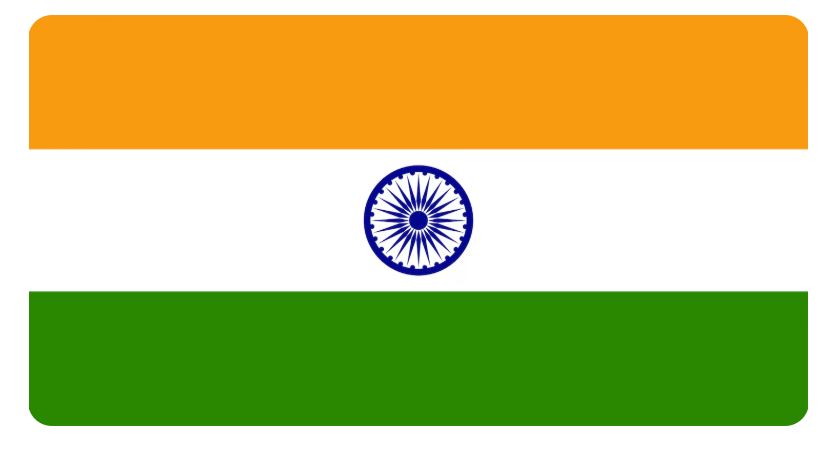
Key Highlights
- The Republic of India is in South Asia. It is now the most populous country in the world. The country is known for its rich Indian culture. People here speak many major languages.
- Kannada is one of the official languages of the Indian state of Karnataka and one of the 22 scheduled languages of India
- India’s history goes way back to the ancient Indus Valley Civilisation. There was also the strong Indian independence movement. That movement helped India get freedom from British rule in 1947.
- The Government of India runs as a federal parliamentary democracy. It has a Prime Minister as the main leader. The power is shared between central and state governments.
- You will find different types of geography here. There are big Himalayan mountains, wide plains, and a long coast along the Indian Ocean.
- The Taj Mahal is one of India’s iconic landmarks. People from all over the world visit the Taj Mahal. It shows off centuries of great buildings and architecture.
Introduction
Welcome to India. It is a big and busy country in South Asia. India is now the most populous country in the world. The country is known for its many cultures and traditions. Here, the old and the new go side by side.
Indian culture is rich. It comes from thousands of ethnic groups and many languages found in the country. This makes India special.
Do you want to know vital facts about India’s past, land, and culture? Let’s look at what makes this country fascinating.
Etymology of India (ಭಾರತ)
The name “India” comes from the River Indus. There is also another old and official name for the country: Bharat. This name is important to people, as it ties the nation to ancient India and its past.
The word Bharat is in the big sanskrit epics, and it is important to the nation’s identity. If you look into where it came from, you get to see a part of the long history of india. It shows something about the old stories and the past ways of living in the country.
Origins and Meaning of the Name “Bharat”
The name “Bharat” comes from the old stories of ancient India. It is tied to Emperor Bharata, a hero who lived long ago. The stories about him are found in Sanskrit epics like the Mahabharata. People say he was able to rule over all of Greater India.
This link between history and culture is very strong. The indian constitution says that “Bharat” is also one of the country’s official names, along with “India.” Article 1 of the indian constitution says, “India, that is Bharat, shall be a Union of States.” The two names show both the name the world knows and the name that means a lot to people at home.
The name “Bharat” brings up a feeling of common history and togetherness. It has roots that go back thousands of years. The name shows a long story of the land and the people who live there. “Bharat” links modern India to its old past.
Historical Contexts Behind the Name
The name “Bharat” for the land is used in many places beyond myths. People in ancient times and in old writings from different years in the history of India called this area “Bharatavarsha.” This word means the land or area of Bharata. Using this name showed people a clear place and group in South Asia.
Archaeological evidence and records from history tell us that rulers and kingdoms in ancient India saw their land as part of something bigger called Bharatavarsha. This word was not just made up. People used it to talk about all the land in ancient India. Even though there were many kingdoms and not just one country, it helped create a feeling that everyone was part of the same culture.
As the years went by, this name grew to be very important in the fight for freedom. People in charge talked about it to help give everyone a strong feeling of being part of one country. There was a long, old history that brought the people together. When they used the name “Bharat,” they helped join the new country to its past, going back thousands of years.
Geography of India
India is in south Asia and has a geography that is very different in each part. This country is a large peninsula. You can find the Arabian Sea on the west side, the Bay of Bengal to the east, and the big Indian Ocean down south. The land in India has high mountains, wide plains, and dry deserts. A lot of people say that the land is as mixed as the people and the ways they live.
The land in India is very different in many places. This has affected life here for many years. It changes the weather and the way people live. Now, let us look more closely at where the country is, the big land types, weather areas, and important rivers and water.
Location and Borders of India
India sits in a key spot in south asia. Ittakes up most ofthe subcontinent. The country has land borders with six other countries. These are Pakistan on the northwest,the China, Nepal, and Bhutan on the north, with Myanmar and Bangladesh on the east. Because of this place, India has always beena place where cultures meet. It links to central asia and other places too.
The country has a long coastline that runs for thousands of miles. In the south, sri lanka sits close to the mainland of India. The two are split by the Palk Strait and the Gulf of Mannar. There is only a short space of water between them.
This mix of land and sea borders has been very important in India’s history. It has helped shape trade, culture, and how India connects with other countries. The government of India looks after these long borders. They go from high mountain passes to thick forests, and include the edges where land meets the sea.
Major Landforms – Plains, Plateaus, Mountains
India has a lot of different land shapes. There are three main types that make up its land. In north India, you will see the huge Himalayas. These are the tallest mountains in the world. The Himalayas stand as a strong wall. They also give rise to many big rivers in India.
The wide Indo-Gangetic Plain stretches out in the south of the Himalayas. This area is one of the most fertile places on Earth. Many people live here, and it has been home to Indian civilization for thousands of years. Farther south, you will find the big Deccan Plateau. This covers most of South India. The land below is old and steady. The Western Ghats and the Eastern Ghats are two chains of mountains on each side of this land. These mountain ranges run along both coasts in south India.
There are many different types of land in Greater India. In the north, there are snowy mountains. In the south, there are warm, high flat lands. These places help many plants and animals live in Greater India. People also live in different ways because of these landforms.
Climate Zones Across India
India is a big country. It has many types of weather. In the south, the weather is hot and humid. In the north, near the Himalayas, it gets cool and even snowy. The monsoon is the most important thing for India’s climate. This is when the winds change direction and bring a lot of rain to the country. These rains the people get every year help farmers and their crops grow.
The Indian Ocean has a big part in how the weather changes in south asia. It helps make the southwest monsoon, which gives most of the rain during the year. This rain is important for farming in south asia. The way the seasons change affects the work of people, and their daily life in the area.
The weather can be very different in each area. Here are some examples of climate zones that show how the weather changes in different regions:
- Tropical Wet and Dry: This climate is in most places on the peninsular part. It gets hot in summer and there is a set rainy season.
- Arid and Semi-Arid: The northwest Thar Desert is very dry. It gets almost no rain and has very high and low temperatures.
- Humid Subtropical: The Indo-Gangetic Plain has summers that are hot and feel damp. The winters in this area are cool.
Rivers, Lakes, and Waterways
India has a huge network of rivers, lakes, and parts with water. These have shaped Indian life for thousands of years. In India, you will find two big groups of rivers. Some are the Himalayan rivers, coming down from the mountains. They have water all year because of glacial ice. The other group is peninsular rivers, mostly filled by rain. These are not always full and may dry up at some time.
The Ganges-Brahmaputra system is a major river network. It covers a huge, rich area before it flows into the Bay of Bengal. In the past, big groups of people, such as those in the Indus Valley, lived and grew near these rivers. The waterways gave them water to grow crops. The rivers also helped people move from place to place, and they were important for trade.
These rivers, lakes, and streams are an important part of nature. They help people grow food. People use them to get drinking water. More people now use these waters to make power for their homes and businesses. A lot of these rivers also mean a lot in religion and culture for people. They are a big part of India’s story and what makes it special.
Biodiversity and Natural Heritage
India stands out as one of the most diverse places in the world when it comes to plants and animals. The country has many kinds of land, like the Himalayas, rainforests, and deserts. Each area has its own types of life living in them. This wealth of nature is closely linked with indian culture. People show their love for it in art, old stories, and also in the things they believe in.
India wants to keep its natural history safe. For this, the country has set up many national parks, wildlife areas, and biosphere reserves. Some of these places are also UNESCO World Heritage sites. Here, we will look at the special animals, protected spaces, and steps taken to care for nature in India. This shows how much India values its natural world.
Flora and Fauna Native to India
India is home to many kinds of plants and animals. Some can only be found there and nowhere else in the world. You can see flowers growing in the high mountains of the Himalayas. There are also thick mangrove forests in the Sundarbans. Big trees such as the banyan and peepal can be seen in many places. These trees are not just important for the environment. They also have a strong meaning for people because of their deep ties to the country’s culture and religion.
India is a land known for its amazing animals. The country has more Bengal tigers than any other place in the world. These tigers are a strong sign of India’s pride in nature. Asian elephants walk around in the forests here. The one-horned rhinoceros lives in India, too. You can also find Asiatic lions in some areas. All these animals are the big and famous creatures that make India special.
India is known for having many kinds of birds. There are hundreds of species in the country, including the bright Indian peafowl. The peafowl is also the national bird. All this birdlife makes India a very important place for global biodiversity. It is also a good spot for people who like nature.
Wildlife Sanctuaries and National Parks
India has set up more than 500 wildlife sanctuaries and over 100 national parks to keep its animals safe. The country has made these areas to help endangered species live in peace. They also protect the places where these animals stay. You can find parks in the tall mountains of the Himalayas and at the sea along the coast. These parks help a lot to keep the wildlife and their homes safe.
Many of these places are known all over the world for their strong nature value. A number of them are listed as UNESCO World Heritage Sites. This shows they are special to all people. These parks bring in visitors and scientists from many countries. They all want to see India’s natural beauty.
Here are some of the most well-known protected places in India:
- Ranthambore National Park: You can find this park in Rajasthan. It is one of the best places in the world to see Bengal tigers living in their natural home.
- Kaziranga National Park: This park is a UNESCO World Heritage Site that sits in Assam. It has about two-thirds of all the great one-horned rhinoceroses in the world.
- Jim Corbett National Park: This is the oldest national park in India. People started it to help protect the Bengal tiger.
Conservation Efforts in India
Saving nature is now a top focus in India. The government of india is running many programs to help protect plants and animals across the country. There are tough laws, like the Wildlife Protection Act of 1972. This law helps shield wild animals, birds, and plants by setting clear rules for their safety.
Project Tiger is one of the most successful conservation programs. It started in 1973. This program has a crucial role in helping the Bengal tiger survive. The project brought the tiger back from almost going extinct. There are similar efforts for other animals too. People work to save elephants and rhinoceroses. These projects show that there is a strong effort to protect the country’s key animals.
Many groups and people in the local areas do important work for conservation besides the government. They work on things like fixing places where animals live, stopping illegal hunting, and helping people near protected spaces live in ways that are good for nature. When everyone helps together, it is very important for the long-term safety of India’s wild lands and animals.
Ancient Civilization and Early History
The history of India goes back for thousands of years. It is one of the oldest places where people have always lived and built their lives. Archaeological evidence shows that the land has a deep past, starting with the first settlements by people who lived there long ago. The Indus Valley Civilisation grew from these early groups. It became one of the world’s first cities. After the Indus Valley period, the Vedic Age came. This time helped shape the culture of India. Ideas from the Vedic Age are still important in the way people in India think and live today.
Want to go back to the past? Let’s have a look at the most important times in ancient India. We will start with the first people to live there and see how big civilizations started and grew.
Prehistoric Era and Archaeological Sites
The story of early India starts far back in the Stone Age. Archaeological evidence from many places in the subcontinent shows that early humans were living here a very long time ago. One key place is the Bhimbetka rock shelters in Madhya Pradesh. This is a UNESCO World Heritage site. The caves here have old paintings from the Paleolithic and Mesolithic times. These artworks help us see how life was for our ancient ancestors.
Over many years, people in ancient India slowly changed from living as hunters to building farming towns. In the Neolithic period, farming and raising animals began to spread in different areas of ancient India. People have found things like tools, pottery, and graves from this time. These finds help us learn about how groups lived and what they believed in.
These early settlements set the stage for bigger and more advanced groups that came later. At that time, people learned important things like farming, making things with tools, and living together in groups. These skills helped make it possible for big cities to grow in the area later on.
Indus Valley Civilization
The Indus Valley Civilization started around 2600 BCE. It is one of the world’s oldest and most advanced urban cultures. This civilization grew in the basins of the Indus River. The indus valley was known for smart city planning. Mohenjo-daro and Harappa are two famous cities in the indus valley. Both are found in today’s Pakistan. These cities had clear street layouts, good drainage, and big brick houses.
The people in the Indus Valley were good at making things by hand and trading with others. They set up a way to measure and weigh things, which helped them trade with places far away, like Mesopotamia. When people dig up old sites now, they find fancy pottery, seals that have writing we do not know yet, and nice jewelry. These things show how skilled they were. A few places from this civilization, such as Dholavira in Gujarat, are now called a World Heritage Site. The indus valley is known for this.
The fall of the Indus Valley Civilization around 1900 BCE still has people talking. Many think it may be because of climate change, rivers that moved, or other problems with the environment. The end might be a mystery, but this great place from ancient India gave something important to history. It will always be remembered.
Vedic Age and its Contributions
After the fall of the Indus Valley Civilization, there was a fresh start in ancient India. This time is called the Vedic Age. It lasted from about 1500 to 500 BCE. The name comes from the Vedas. These are old books made up of hymns and texts written in Sanskrit. The Vedas are what we use most to know about the society, religion, and way of thinking during this period.
The Vedic period was a time when people started to move from living as roaming animal herders to building settled farming communities. This change was seen most in the Gangetic plains. People formed tribes, and there was a social structure with ranks. Over time, this grew into the caste system. During this era, the early ideas of Hinduism started to form. Important gods and rituals began at this time.
The Vedic Age gave us a lot of important writings. The Vedas are just the start. During this time, people also put together other big texts. Some examples are the Brahmanas, Aranyakas, and Upanishads. These books talk about ideas and the meaning of life.
Later, writers made the famous Sanskrit epics called Mahabharata and Ramayana. These stories are still a large part of indian culture now.
The Rise of Great Empires
After the end of the Vedic Age, the history of India saw strong empires come up. Big groups like the Maurya and Gupta became important in the north. They helped to make things better in the country. There was more order, trade grew, and art and books did well. In South India, the Cholas, Cheras, and Pandyas ruled. These groups made big changes and had great power. The history of india shows how south india also became strong back then.
These empires gave us amazing buildings, new ideas in science and art, and smart ways to run the government. Let’s look at some of the big empires from that time and the important rulers who helped make these changes.
Maurya and Gupta Empires
The Maurya Empire lasted from about 322 to 185 BCE. It was the first time most of the Indian subcontinent came together as one empire. Chandragupta Maurya started the empire, but it became strongest under Ashoka the Great, who was his grandson. Ashoka is known for turning to Buddhism and trying to share its ideas, like not hurting others and caring for people. He put these teachings on pillars and rocks through all parts of his huge empire.
Centuries after, the Gupta Empire came to power around 320–550 CE in ancient India. This time is often called the “Golden Age of India.” There were many great things done in math, astronomy, writing, and art. Aryabhata and other smart people found out new things, like the idea of zero. Sources from Cambridge University Press say that the Gupta Empire saw big changes in government and the economy coming together.
Both the Maurya Empire and the Gupta Empire built strong governments. They helped trade to grow, which made the land rich. These empires gave a lot to how people rule, learn, and live. The things they did in law, science, and culture still shape Indian life today.
Chola, Chera, and Pandya Dynasties
While many big empires grew in the north, South India also had strong rulers of its own. The Cholas, Cheras, and Pandyas are known as the Three Crowned Kings. They ruled this part of the country for hundreds of years. Their lands were mostly in what we now call Tamil Nadu and parts of Andhra Pradesh and Kerala.
These families were great at trade over the sea. They built strong trading ties with Southeast Asia, Sri Lanka, and the Roman Empire. Their ports were busy with ships going in and out. These ships carried spices, textiles, and precious gems. This made the area very rich. The Chola dynasty stood out because it had a strong navy. This navy kept control of the big sea routes in the Indian Ocean.
These powerful southern kingdoms in ancient India were not just strong in trade and money. They also supported art, books, and buildings in a big way. They built many grand temples. A lot of these temples are still here today. They also helped people make a lot of Tamil books and stories. What they left behind shows how lively and unique the culture of South India was in ancient India.
Notable Rulers and Personalities
India has always had many great rulers and important people. Their actions have changed south asia over many years. These leaders did more than win battles. They helped organize things. They also supported the arts. Some of them liked to think about big ideas. They did things that people still talk about today.
Ashoka wanted peace. He made rules to help people get along. Akbar was king and wanted all faiths to live together happily. How they governed shaped whole periods of history.
Emperors who came later, including Shah Jahan, a famous Mughal ruler, are known for building amazing buildings that people still talk about now. These leaders played a big part in making the political and cultural feel of the subcontinent just as it is today.
Here are some of the most important rulers from old and medieval India:
- Chandragupta Maurya: He started the Maurya Empire. Chandragupta Maurya was the first to bring much of India together and put it under one group of leaders.
- Ashoka the Great: Ashoka turned to Buddhism and worked hard to share its ideas about peace and dharma. He wanted people to know and follow this message.
- Samudragupta: Samudragupta was a leader in the gupta empire. He is well known for winning many battles and helping arts and culture grow in his time.
Medieval India: Change and Continuity
The medieval period in India saw big changes. In northern India, the Delhi Sultanate started to rule. This brought new ways of thinking about politics and culture. In the south, the Vijayanagara Empire became strong and was a Hindu kingdom. During this time, there was also deep spiritual and social change because of the Bhakti movement and the Sufi movement.
Even though things changed, many old ways stayed strong. This time mixed the past with the new. Let’s take a look at the main things that happened in this interesting period. There were big empires, and there were also important changes in spiritual beliefs.
Delhi Sultanate Period
The Delhi Sultanate was made up of five dynasties. It ruled a big area of Northern India from 1206 to 1526. The start of the Delhi Sultanate was the beginning of something new in medieval India. It brought Perso-Turkish culture and different ways of running things to the country. Turkic invaders came, won Delhi, and made it the new capital.
This time was marked by fighting and the mixing of different ways of life. The sultans in Delhi had to deal with many problems. There were attacks from the Mongols and trouble from people inside their rule. Even so, they were able to build a strong system to run things in one place. They also brought in new building styles. These mixed Indian and Islamic ideas. You can see this mix in places like the Qutub Minar in Delhi.
The Delhi Sultanate changed northern India in many ways. It helped Islam grow and spread in the area. People also exchanged ideas, art, and customs during this time. The things that happened then set up what would come after, with the Mughal Empire taking many ways of thinking and living from the Sultanate and making them bigger.
Vijayanagara Empire
While the Delhi Sultanate ruled in the north, the Vijayanagara Empire rose as a strong force in south India. It was founded in 1336. This Hindu empire was known for protecting Indian culture. The empire also became an important place for trade. Its capital was Vijayanagara, which is now called Hampi. The city was large and rich, and was famous for its great temples, palaces, and busy markets.
The empire had a very large area that it controlled. It also had a crucial role in the rich spice trade in the Indian Ocean. The rulers there supported art, buildings, and books in a big way. They helped bring about a new time of great culture in the south. The ruins of Hampi are now a World Heritage Site. These ruins show the empire’s greatness and the high level of art made during that time.
For more than two hundred years, the Vijayanagara Empire stood strong in south India. The kings of this empire were able to stop the northern sultanates from taking over their land. They also kept their own way of life and culture safe. After the Battle of Talikota happened in 1565, things changed. The empire started to fall, and that time ended. But the story of the empire still makes people feel wonder and respect.
Bhakti and Sufi Movements
The medieval period was not only full of kings and wars. It was also a time when people had a deep spiritual growth. Two strong movements, the Bhakti movement and the Sufi movement, spread across the land. These changed indian culture and life. What they had in common was how they taught people to feel close to God in their daily lives. They asked people to focus on love for God, not strict old practices.
The Bhakti movement started in the south and later moved up to the north. It taught people to show love to a personal god. People did this with songs, prayers, and poetry. Saints such as Kabir and Mirabai wrote these songs and poems in local language. This helped everyone feel closer to their spiritual beliefs. It let people from any background or group take part in their own way.
In the same way, the Sufi movement started in Islamic mysticism. It got many followers from all backgrounds. Sufi saints, known as pirs, taught love, to be kind, and help others. The pirs’ words touched people from many faiths. It helped create a culture in which Hindu and Islamic ideas mixed together. These movements changed literature, music, and world religions in India in big ways.
Mughal Era and Influence
The Mughals came to India in the 16th century. This brought a new and amazing time in the country’s history. Babur started the Mughal Empire. He brought most of India together. The empire made the land peaceful and grew in art and culture.
Shah Jahan was one of the most famous Mughal rulers. He made a big mark on Indian culture. His love for building showed in great works like the Taj Mahal. The Taj Mahal stands even now as a beautiful part of Indian culture.
This time in history had a big growth in art, writing, and how things were run. There was a mix of Persian and Indian ways. In this text, you will get to know about the main Mughal rulers, great buildings, and how the society changed because of the Mughal era.
Prominent Mughal Rulers
The Mughal dynasty had many strong and well-liked rulers. They helped shape India in many ways. Babur, who started the empire, was very good at planning battles. But his grandson Akbar the Great made the Mughal empire even stronger. Akbar is known for making many new rules for how things should be run. He also let people practice their own religion, which made him very special as a ruler.
Jahangir and Shah Jahan came after him and ruled at a time when Mughal culture was at its best. Shah Jahan stood out because he loved building things. He wanted the world to see great works like the Taj Mahal. This famous mausoleum was built for his wife, Mumtaz Mahal. Now, people everywhere know the Taj Mahal as a symbol of forever love.
Aurangzeb was the last well-known Mughal ruler. He made the empire bigger than ever before. At the same time, he had to deal with many uprisings. Here are some of the main Mughal kings:
- Akbar (1556-1605): He was known for how he managed the empire, his victories in war, and bringing people of different faiths together.
- Shah Jahan (1628-1658): He was famous as the builder among the Mughals. His time saw the building of the Taj Mahal and the Red Fort in Delhi. Both are well-known and people still talk about them.
- Aurangzeb (1658-1707): He made the empire bigger than ever before. But after some years, things started to go downhill for the empire.
Architecture and Cultural Developments
The Mughal era is known for its stunning buildings and grand style. The Mughals mixed Persian, Turkish, and Indian designs to create something special. Many people say these are some of the most beautiful buildings ever made. Their way of making buildings often showed big domes, tall minarets, detailed carvings, and wide gardens.
The Taj Mahal in Agra is the top example of Mughal architecture. This beautiful white marble building is a world heritage site and recognized by UNESCO. It is known for its perfect balance and fine details. Some other famous places are Humayun’s Tomb, the Red Fort in Delhi, and Fatehpur Sikri. Fatehpur Sikri was once Akbar’s capital.
Mughal art grew a lot in this time. Miniature painting got very good. Artists showed court life, history, and nature with great detail. The north India area became the heart of this culture. People still admire this rich art today.
The Impact on Society and Administration
The Mughal Empire set up a strong and organized way to run its lands. This system stayed in place for a long time. Akbar, the emperor, made big changes to help the government work better. He improved how officials collected taxes and managed laws. Akbar made the Mansabdari system. This system put army and government officers in order, and this helped keep them loyal to the emperor.
This way of running things worked so well that the British took many ideas from it later. The government of India still uses some of those ideas today. The Mughals also set up one type of money for everyone. They helped trade grow. This made the empire do well with money.
During the Mughal time, there was a mix of Indian and Persian ways of life in society. At court, people spoke Persian, but it started to mix with local languages. This gave birth to Urdu. Food, clothes, music, and writing all changed in this time because of the blend. The Mughal era made a strong tradition that still has a big place in Indian life now.
Colonial Period and British Raj
The fall of the Mughal Empire opened up a new time in India’s story. This was when the colonial period began. European groups first came to South Asia to trade. Over time, they increased their control. The British East India Company beat the other European groups in power. This led to British rule and the start of the British Raj, when the British controlled most of South Asia directly.
This time was full of big political, economic, and social changes. It changed the whole subcontinent. Let’s look at how European powers came in, how british rule worked here, and the tough journey the people had to take before they reached independence.
European Arrival and Expansion
The coming of Portuguese explorer Vasco da Gama in 1498 was when the colonial time started in south asia. He came because the spice trade made a lot of money. After him, the Dutch, French, and British also came to south asia. They built trading posts along the coast. All of them tried to get control of the money-making trade routes.
At first, European traders had to listen to the Indian rulers and follow their rules. But the Mughal Empire got weaker in the 18th century. The british east india company then started to use this division to their advantage. With the use of talk, fights, and the help of local groups, the east india company slowly added more places under its power and became stronger.
The Battle of Plassey in 1757 was a big moment. This battle helped the British East India Company take control of Bengal, a rich area in India. With the new power they got here, the east india company started to grow fast. By the middle of the 1800s, the Company had become the main ruler over most parts of India.
British Rule and Socio-Economic Changes
The time of british rule in India, especially after 1858 when the british government started to run things directly, led to big changes in how people lived and worked in the country. The british raj brought India together politically and in the way it was managed. But, the economic plans made by the british empire were set up mostly to help the british. A lot of indian businesses went down. Instead, India became a place to get raw materials for british factories.
The British brought in new roads, trains and tools. Building the railway connected places all over India, so it was easier for people to trade and feel part of one country. They set up a new system of laws and started English schools. This gave rise to a group of Indian thinkers and leaders who had a big role in the country’s development.
These changes during british rule brought both good and bad things. There was more modern stuff, but there was also a lot of taking by the british. Important things that happened under british rule are:
- Introduction of Railways: The British built a huge railway network. This changed the way people travel and talk to each other.
- Establishment of a Unified Legal System: British laws and courts came to the whole country. This set up the same way of law for all.
- Promotion of English Education: This made a new group of people, and it helped start the ideas of wanting a free country.
The Road to Independence
The want for freedom from the British Raj got stronger in the late 1800s and early 1900s. People started the indian independence movement to push for change. The Indian National Congress began in 1885, and it was the top group in this fight. At first, it asked for small changes. But the movement got louder and more bold as time went on.
Mahatma Gandhi came into politics in the 1920s, and this changed the fight for freedom in India. He believed in non-violent civil disobedience, which is called Satyagraha. This way of fighting helped many ordinary people join the movement. Big events like the Non-Cooperation Movement and the Salt March made the British government feel a lot of pressure.
The fight for independence in India got stronger after World War II. The war made the British Empire weaker, and more people in India wanted freedom. Because the British government was tired after the war and there was a lot of trouble, they decided to let India be free. On August 15, 1947, the British Raj was finished.
Struggle for Freedom
The fight for India’s freedom was a long story in the country’s history. The indian independence movement had many leaders. One of the biggest was mahatma gandhi. He brought people from many groups together. All wanted to stand against british rule. Most of the time, they did this in a peaceful way. This movement showed the whole world how people could work together for freedom.
The road to independence was also full of pain. A big part of this was the split of the land which made two new countries. Let’s take a look at the main events that helped lead to freedom. Let’s talk about the people who led the way. Let’s also remember the hard times during partition and how it changed everything.
Indian Independence Movement
The indian independence movement was a long fight. A lot of people took part in it over several years. It started with some small fights and people speaking against the British in the 19th century. Later, it became a big national movement in the 20th century. The movement used different ways. Some people worked by trying to change laws. Others took more serious actions for freedom.
Mahatma Gandhi was the main leader in this fight. His ideas about ahimsa, which means not to use violence, and Satyagraha, which means to stand up for truth, helped many people feel strong against the british raj. Gandhi started big movements across the country, like the Quit India Movement in 1942. These called for british rule to end right away.
Millions of Indians took part in these movements. Many of them went to jail. A lot of them had to deal with police violence and lost money. People came together and did not give up. In the end, their strong will made the British leave. This shows how powerful it can be when people join together and fight for freedom in a peaceful way.
Key Leaders and Their Role
The Indian independence movement had many great leaders. Mahatma Gandhi was the heart and soul of the fight, guiding people with both his spirit and politics. Many other leaders also gave so much to the movement. Each one had a crucial role in changing the way the struggle went and in shaping the country’s future.
Jawaharlal Nehru worked closely with Gandhi. He played a big part in planning for India’s freedom. Later, he became the first prime minister of India. Nehru helped to shape the country’s new modern government. He wanted it to be democratic and fair for all.
Sardar Vallabhbhai Patel was important, too. He helped bring together many small states into one big Indian Union after India became free.
The work done by these leaders, and by many others, was key for getting freedom and creating a new country. Here are some of the most important people and what they did:
- Mahatma Gandhi: He is known as the father of the nation. He led the fight for India’s freedom using peaceful protests and civil disobedience.
- Jawaharlal Nehru: He was the first prime minister of India. He helped shape the country with new ideas for how it should run inside and deal with other countries.
- Sardar Vallabhbhai Patel: People call him the “Iron Man of India.” He helped join different princely states into one nation.
Partition and Formation of Nations
The joy people felt at gaining independence in 1947 was deeply hurt by the Partition of British India. The choice to split the land by religion into two different countries, India and Pakistan, caused a huge and violent movement of people. This happened because the Muslim League wanted to have a separate place for Muslims.
The announcement about dividing the land led to lots of fighting between groups. Many Hindus and Sikhs left Pakistan and came to India. Many Muslims moved the other way and went from India to Pakistan. The trip for these people was full of danger. More than a million people died in the riots and mess that followed.
The partition made deep and lasting cuts in south asia. It made new borders and forced many people to leave their homes. This time also started problems that still shape how India and Pakistan feel about each other. This painful part is still a main part of the history of india in the modern time.
Political System and Government Structure
India is a country with its own power. The government of India is for the people, and leaders are chosen by voting. There is a group that makes laws for everyone. The country has rules written in a constitution. This is the main set of rules for all.
The government of India does not work alone. Power is shared in two ways. There is a central government, and there are state governments. Each has its own jobs to do. State governments look after the needs of their own areas. The central government guides all India. Both must follow the law set in the constitution.
The Parliament of India has two parts. These are the Rajya Sabha (Council of States) and the Lok Sabha (House of the People). To know how the country is run, let us look at its federal divisions, the main ideas of its constitution, and how elections happen.
Federal and State Division
India has a system called federalism that splits powers and duties between the central government and the state governments. There are 28 states and 8 union territories in the country. Every state has its own government, which is chosen by the people and led by a Chief Minister. The state governments handle things like law and order in their area, farming, and health services for the public.
The union territories are run by the central government of India. A few, such as Delhi and Puducherry, also have their own elected leaders and groups that make laws. This setup helps to keep the country together but still lets some places have their own control. So, the government of India can manage all the different parts and people who live there.
The constitution has rules for states and union territories. It also talks about autonomous administrative divisions in some places. These places mostly have many tribal people. The autonomous administrative divisions get more power to run things their way. This is good for the people. It helps them keep their special cultures and traditions.
Constitution of India
The Constitution of India became the main law of the country on January 26, 1950. It is longer than any other written constitution in the world for a sovereign country. The constitution gives a clear framework for how the republic of india should be governed. It sets basic political ideas, builds up the way the government works, and promises basic rights to all people in the country.
The Indian Constitution has some key ideas at its heart. These ideas are found in the preamble. The preamble says that India is a sovereign, socialist, secular, and democratic republic. The Indian Constitution wants to give justice, liberty, equality, and fraternity to every person in the country. This is a living document. It has changed more than 100 times to meet the needs of new times.
If you want to read the laws and rules in India, you should start with the constitution of india. This is the main source for all laws in the country. You can read the whole text and its changes on government sites like the website of the Ministry of Law and Justice. [2]
Electoral System and Major Political Parties
India uses a system where there are many political parties. The country holds general elections every five years. These elections are for picking members for the Lok Sabha. The Lok Sabha is the lower house of Parliament. The leader of the party or group with the most seats in the Lok Sabha is made the Prime Minister. Members of the Rajya Sabha, which is the upper house, are picked in a different way. The state legislative assemblies elect people for the Rajya Sabha.
The Election Commission of India is the main group that handles elections. It works on its own and follows the rules set for it. The aim is to make sure every election is free and fair in the country. There are many political parties. Some are national, while others are regional. These parties show many different ideas and views.
Over the years, many political parties have been very important in Indian politics. Below is a table showing some of the main national parties.
| Party Name | Abbreviation | Ideology |
|---|---|---|
| Bharatiya Janata Party | BJP | Right-wing, Hindu nationalism |
| Indian National Congress | INC | Center to center-left, social democracy, secularism |
| Communist Party of India (Marxist) | CPI(M) | Left-wing, Communism, Marxism-Leninism |
Aam Aadmi Party, or AAP, is in the center. The party talks a lot about giving people power and fighting against corruption.
Bahujan Samaj Party, or BSP, is more to the center-left. BSP works for social equality for all. This party wants to help Bahujans with their needs.
Foreign Relations and Diplomacy
India is becoming more important in the world. It has a foreign policy that helps it stay independent and work with other countries. India is one of the countries that started the United Nations, and now it takes part in many international events. The Ministry of External Affairs takes care of India’s diplomacy. It helps India make strong relationships with other countries and is careful in handling world politics.
India sits in South Asia and has great economic strength. The way it connects with its nearby countries and big world powers matters a lot. Here is a look at some important partnerships that India has, and how it takes part in large global groups.
India’s Bilateral and Multilateral Ties
India has strong relationships with many countries around the world. It works closely with the United States. This has turned into an important partnership. The two countries do more together now, especially in defense, technology, and trade. India also has old and rich connections with the United Kingdom. These ties are still good today, even after colonial times.
India has a mix of close and tough relationships in its nearby area. India is very friendly with Nepal and Bhutan. But it has faced many problems with Pakistan since the countries split up. India has strong cultural and family links with Sri Lanka. India is now working hard to build better ties with Southeast Asia because of its “Act East” policy.
India takes part in several important groups, such as BRICS (Brazil, Russia, India, China, South Africa), the Shanghai Cooperation Organisation (SCO), and the G20. In these groups, India stands up for the needs of developing countries. It also asks for a fairer world system for everyone.
Role of the Ministry of External Affairs
The Ministry of External Affairs has a crucial role in making India’s foreign policy. This government body works to build good ties with countries all over the world. It deals with many issues that matter for the country. The Ministry of External Affairs aims to make India stronger in south asia and far beyond. It helps grow partnerships that boost both economic and cultural exchanges between India and other countries.
The ministry also takes part in key meetings at big places like the united nations. It works to make sure India’s words and ideas are heard on main topics, such as climate change and safety in the area. By doing this, it helps build peace and stability in the indian ocean region.
Major International Agreements
Big global agreements have played a big part in shaping India’s foreign policy and how it deals with other countries. The India-United States Civil Nuclear Agreement was a major event. It helped both countries work together on energy and new technology. Another important deal is the Paris Agreement. It shows India wants to fight climate change and be seen as a responsible nation in the world.
India also takes part in groups like the South Asian Association for Regional Cooperation (SAARC). This group tries to make countries in the region work together better. All these agreements help make ties between India and other countries stronger. They also open up chances for economic growth and let people from different countries share their cultures, making the world more connected.
Military and Defense Forces
A strong military and well-organized defense forces be important for the safety of the world’s most populous country. The Indian Army, Navy, and Air Force work in many areas. They do ground operations and also protect the country in and over the Indian Ocean. The government has also put the focus on improving defense technology. This helps the country stand out around the world.
India takes part in peacekeeping and helps with disaster relief. This means the military helps not only within the country, but out in the world, too. Everything shows how India uses many ways to keep itself safe and partner with other countries for security.
Structure of the Armed Forces
The armed forces of India include three main branches. These are the Army, Navy, and Air Force. Each branch is very important for keeping the country safe and strong.
The setup of the armed forces has levels. At the top is the President of India. The President acts as the Supreme Commander. Below that, there is the Chief of Army Staff, the Chief of Naval Staff, and the Chief of Air Staff. They guide and watch over the work in each branch.
Every branch has many different types of teams. These include infantry, artillery, naval ships, and groups of fighter planes. All these teams work together. This way, India can make good defense plans and change methods when new problems come up. This system helps India be strong in South Asia.
Achievements in Defense Technology
Innovations in defense technology play a big part in how India protects the country. The Indian Army has come a long way with making its own systems. They now have better missile systems and drone technology. India focuses on doing things itself, so the government works with private companies and schools. This has helped build a strong base for defense industry in the country.
India is working on its cyber-defense and new ways to watch over things with advanced surveillance systems. All these steps show that India wants to keep its military up to date and ready for new things. With these achievements, India is making its armed forces stronger. The country is also helping bring more stability to South Asia and other places around it.
Disaster Relief and Peacekeeping Missions
In recent years, India has become a top country in disaster relief and peacekeeping. The country has shown it cares about helping people in need. The Ministry of External Affairs manages these missions in India. They often work together with groups like the United Nations. The armed forces and special teams in India are well-trained for this work.
India has given quick help after floods and earthquakes, even in countries nearby. Indian peacekeepers also work in many places around the world. They help bring calm to areas with fighting and trouble. India’s active way of doing this has raised its name on the world stage.
It also shows how much India wants peace and safety in south asia, and other places, too.
Economic Overview of India
India is a big country in South Asia, and its economy is very vibrant. The country plays a crucial role in world trade. A lot of people in India work in agriculture, and this sector helps the country stay food secure. This is especially true in rural areas such as Tamil Nadu and Andhra Pradesh.
India also has several industries, like textile and technology. These industries have helped move the economy forward. The service area, with IT, has grown a lot and shows how India is doing well internationally.
There is a strong sense of business and new ideas in the country. This helps the Indian economy to grow and bring in more chances for people to work and for businesses to get bigger. This growth gives India a good base to keep getting better in the future.
Agriculture and Rural Economy
Agriculture is very important for India’s economy. This is true for rural areas, where most people work in farming or do jobs connected to farming. In northern India, there are rich plains, and in southern India, there are coastal areas. These help people grow many crops like rice, wheat, and pulses.
The government has started programs for better and more sustainable ways to farm. It gives farmers new technology, which helps them grow more crops. People in these areas also keep animals like cows and goats, and make handicrafts. These things help families earn money and have enough food. This makes their way of life strong, and helps keep their culture alive.
Industrial Growth and Major Industries
India has seen big growth in its factories and service sector. Today, the country is a busy hub for making things and offering services. Main areas like textiles, cars, and medicines help the economy a lot. They also give many jobs to people. The “Make in India” plan has brought in a lot of money from other countries. This makes India more ready to take on others in the world market.
The tech business, especially in southern India, keeps growing fast. It helps bring new ideas and builds new businesses. Because India is building up what it can make and offer, the country’s voice is getting stronger. India now has strong trade links with other countries in the indian ocean and beyond.
Service Sector and IT Revolution
The service sector in India is one of the major forces behind the country’s economy. It brings a lot of growth and new ideas. With the rise of technology, especially in information technology, this sector is now a leader in the world. Big cities like Bengaluru and Hyderabad have become top tech hubs. These cities get investment and skilled people from many countries.
The IT boom has led to many new jobs. It has also made services better, helping both city and village areas. As more businesses move online and use digital tools, the Indian service sector changes with the times. It reaches global markets and shows the country’s cultural diversity and unique business drive.
Trade, Commerce, and Global Presence
India’s trade scene is active, with the country working well with partners around the world. India sits between the Arabian Sea and the Indian Ocean, and this spot helps it connect. India sells many goods, like textiles, spices, and technology. Big countries like the United States and places in southeast Asia want these products. Indian startups are growing quickly. This new business spirit is helping people in the region feel excited and is boosting growth. The country is making stronger trade ties with nations in south Asia and north Asia. All of this makes India important in the global market as both an up-and-coming market and a valued trade partner.
Exports and Imports
India sends many different products to other countries. The main things it exports are textiles, medicines, and IT services. The Republic of India is active in trade with places in South Asia and many other regions. This shows how India is now an important part of the global market.
Imports are different. India mostly brings in crude oil, gold, and machinery from other countries. These things help the country grow its factories and make more goods. This kind of trade is important for keeping the economy steady. It also helps many parts of the country work well.
India has strong ties with countries like the United States and with places in East Asia. It works hard to build better relationships with these key partners. This helps India be more successful in global trade and brings good things for all its people.
International Trade Partners
India works with other countries to shape its economy. It has trade ties with the United States, China, and the United Arab Emirates. The goal is to make trade stronger for everyone and help each country grow. India sells things like textiles, jewelry, software, and medicine to other places. This shows how many businesses the country has and what it can offer.
The government of India supports ‘Make in India’ to help these trade partnerships. The country is a key spot in south asia. India has a good location between the Arabian Sea and the Indian Ocean. This helps it be an important trade hub for the area.
Startups and Business Opportunities
Startups in the country are growing fast. There are many chances for new businesses, especially in technology and services. People are mixing new ideas with hard work to explore the wide market in India, reaching both urban areas and villages. The government helps with programs like ‘Make in India’ and different ways to get money. This helps new business owners feel inspired to start something new. Young people work together and meet new contacts, and now more ventures are getting noticed and catching on. Old ways and new thinking are coming together, which gives a good place for growth. Right now is a good and lively time for startups in this busy and colorful economy.
Socio-Economic Challenges
India still faces big problems because of the way people live and work together. Many families do not have enough money to get basic things like food, water, and shelter. The government tries to help, but the issue is not going away fast. Crowded cities are growing quickly, and it is hard for many people to find homes that they can pay for. Because so many people move into cities so fast, roads, water, and other public places are getting pushed to their limits. There are also problems with the environment that touch both cities and villages.
To solve these issues, there needs to be smart rules from leaders, people working together in their communities, and steps taken to protect the world around us. Doing these things can give more people in India a better way to live and help the country be strong and steady in the future.
Poverty and Social Inclusion
Addressing poverty in India is a big task, and it is very important for social inclusion. State governments have used different plans to help poor people and those from marginalized backgrounds. This shows the nation’s strong commitment to equality stated in the Constitution of India. There are programs that give people better access to education and healthcare. They also offer more ways for people to get jobs. All these steps are important to help people break out of poverty.
Because India has a lot of cultural diversity, the ways to help people must fit the needs of different areas. This helps all ethnic groups get the right support. Many people are working together on this, including NGOs and international organizations. With their help, there is steady progress toward building a more inclusive society.
Urbanization and Housing
Rapid urbanization is changing many areas in India. This brings a lot of chances for people, but also some tough problems. As cities grow, there is more need for homes. A lot of people come from the countryside to big cities, so houses are needed even more.
Urban planning has a crucial role in making sure cities can handle this growth. It helps build roads, water pipes, and other things people need while the number of people in the area gets bigger. Now, there is more focus on sustainable housing. The goal is to give people places to live that are not costly and do not hurt nature.
So, it is important to find a good balance between giving space for people in big cities and growing in a way that helps jobs and makes life better for everyone. This helps keep both development and social bonds strong in India’s busy city life.
Environmental Issues
Environmental problems are a big challenge for the most populous country in South Asia. Fast growth of cities, mainly in big towns, puts a lot of stress on the earth’s resources. This leads to bad air and water pollution. There is a strong need for development that is good for the future because more and more waste is piling up. There is also less plant and animal life, especially in places like Tamil Nadu and Andhra Pradesh.
Government plans try to fix these issues. They have set up rules for using more renewable energy and saving nature. Still, climate change keeps making things hard. Communities, especially in rural areas, have to change the way they do things all the time. This puts pressure on farming and simple, traditional ways of life that people in these places have had with the land for many years.
Demographics: People of India
India is the most populous country in south Asia. The country has many ethnic groups and long-standing traditions. Over 1.4 billion people live in different parts of India. You can find busy urban areas like Delhi and Mumbai. There are also calm villages in tamil nadu and andhra pradesh.
Age, gender, and community groups have a crucial role in how people interact and how the economy works. Many people move both inside and outside of India. This movement brings new ideas and helps share cultures. India is now a lively place for many world religions and languages. You can see its history go all the way back to the indus valley. Every part of India shows how rich and varied the country is.
Population Trends and Census Data
Population trends in India show that there be a lot of growth and change. The latest census shows many more people now live in urban areas. A lot of people have moved from rural places, helping cities like Delhi and Mumbai grow bigger. As India gets close to a new population mark, it is important to look at how the people change over time. India has many ethnic groups in different states. Every region has its own way of life and its own traits. The data that comes from this helps the government and drives plans for the economy and social services. This way, all people in India, no matter where they come from, can get what they need.
Age, Gender, and Community Dynamics
Understanding the age, gender, and community dynamics in India gives us a look at the country’s rich mix of people. There are many young people in India, the numbers show that the society is getting younger each year. Because of this, you see more chances for people in education and jobs. Gender has a crucial role in everyday life. There are ongoing actions to give women more power and to promote gender equality in different fields.
Different communities in India have their own ways and stories. These come from their past and the places they come from. This mix of people and cultures makes social and economic sides of life stronger. It also helps people feel included and builds strength so that everyone can face hard problems together. Such changes help India be more united and move forward as one nation.
Migration Patterns in India
Migration in India is full of life and movement. Many people leave villages and move into urban areas. This is mostly because they are looking for better jobs. Sometimes, things like floods or changes in the economy make people leave their homes. This happens a lot in the places that are at risk. A long time ago, people also moved from one part of India to another. This is how so much cultural diversity came to be, with groups settling both in northern and southern India. The connections between people and the customs in these places keep changing because people keep moving. Watching these changes can help us understand more about how the nation’s economy and society work and grow.
Languages and Literature
India has many different languages and styles of writing that show its rich culture. There are more than 120 languages spoken in the country. Hindi and English be the main official languages. In every part of India, people speak their own dialects, and this gives local books and stories a fresh feel. There are old works, like the famous sanskrit epics, as well as new novels. These stories talk about heroes, spirit, and life. The many ways Indian people use words help everyone feel like they belong to something bigger. It also helps us know more about the country’s past and culture. Through the years, the writing and stories keep changing, while still honoring India’s lively traditions.
Official Languages and Dialects
India has many languages, which make its culture very rich. The government calls Hindi the official language. English is also important and helps people talk to each other all over the country. Each region in the country has its own way of speaking. This comes from the different ethnic groups and their traditions.
For example, Tamil is the main language spoken in Tamil Nadu. Bengali is big in West Bengal. People in India also speak Gujarati, Punjabi, and Marathi. These languages help bring color to everyday life.
All these ways of speaking are more than just communication. They help keep the important stories and cultural roots alive for the country’s many ethnic groups.
Literary Heritage – Epics, Poetry, and Modern Works
Indian culture is full of stories that stretch back for years. The country’s literary heritage shows how people have lived, thought, and grown over time. Old stories like the Mahabharata and Ramayana are much more than just long adventures. They talk about real problems and feelings that people face, even today. In poetry, great writers such as Kalidasa and Rabindranath Tagore shared powerful lines about love, nature, and the ups and downs of life. New stories and poems keep growing from these deep roots. They talk about things many people feel right now and reach different kinds of readers. When you read these old and new works together, you get to feel the true, colorful heart of Indian culture.
Language Diversity Across Regions
Language in India is full of life and_color. It shows the rich culture that people have built over time. Each part of the country has its own way of talking, with special dialects and languages. The people in Tamil Nadu speak the beautiful Tamil, while those in West Bengal use the musical Bengali. People in the most populous country in South Asia, India, often use Hindi and English to talk to others from different places. These two help people connect.
There is a great mix of languages in India, and this shows how tied together everyone is. It also has a crucial role in keeping old customs alive while bringing in new ideas. Seeing how much about language there is in India helps people feel and think deeply about its long past and busy life now.
Education and Learning
Education in the country has many colors and styles. It shows the rich history and mix of cultures here. There are many kinds of schools, from older traditional ones to more new, modern ones. Students get good education that fits what people need in each area. When it comes to colleges and universities, these places continue to do well. Many well-known schools bring in students from all over the world. A lot of people want to learn from what India has to offer.
People here keep learning through their lives. There are several programs to help them gain new skills. This helps drive new ideas and lets people feel their part in the bigger world. The strong belief in quality education helps the country grow and makes it an important place for knowledge, sharing, and development.
Schooling Systems and Higher Education
Education in India is made up of many types of schools and many ways to learn. The system is set up to help all kinds of students. Kids start in primary education when they are young. Later, they can study at well-known colleges and universities for more advanced learning.
The government of India supports both public and private schools. This helps kids who live in cities as well as those in villages to get an education. There are a lot of universities that teach many subjects, and some are known around the world.
Some schools have special programs in engineering, medicine, and the arts. The country works hard to help students grow and use their talents. The mix of schools and colleges helps build a good future for young people in India. This makes the whole nation stronger and more lively.
Top Universities in India
Many universities in India are known for their great education, and they bring students from both India and other countries. The Indian Institute of Technology (IIT) is known for teaching engineering, and the Indian Institute of Management (IIM) is top in management studies. These schools turn out talented graduates who do well in different areas. Delhi University and Jawaharlal Nehru University both offer good learning and have a mix of cultures that make the experience richer. The Indian Institute of Science (IISc) is also there, and it pays special attention to research and new ideas. Students there get the chance to be part of a lively learning community in some of the most crowded parts of the country. All these places show how India puts a lot of effort into education and growth.
Applying to Study in India
Studying in India gives you many chances to grow and learn. A lot of the universities have courses in English, so it’s open to students from other countries. To apply, you will need to send in your school records, proof that you know English, and a statement about why you want to study there. A scholarship can be available, especially for students from south asia or some ethnic groups. The lively culture and long history in India make every study day feel special. You need to read about the universities to see which one fits you best, no matter if you want to learn engineering, arts, or social sciences. Make the most of your time in this unique and diverse country, and jump into a new journey!
Health and Healthcare System
A strong healthcare system supports people in India and helps them face many health problems. It uses both public and private services to reach cities and villages. This makes sure everyone can get the care they need. There have been new steps in technology and telemedicine. These changes, along with health projects for the public, are helping health numbers get better. This brings more health in communities.
But, there are still problems, like people being able to get care, and how much it costs. Work is being done to make the places and hospitals better, and, to make care work faster, so that every person, no matter their money, can have a chance for good healthcare.
Structure of Medical Services
In India, the way medical services work brings together both public and private healthcare. At the top, the Ministry of Health and Family Welfare makes big health rules and guides the system. After that, the state governments are in charge of how these rules are used in each area. Public health centers and big hospitals are set up so people all over, in cities and villages, can get care.
In this most populous country in South Asia, there are more and more private hospitals and clinics. These places help people get all types of healthcare. The system also puts a lot of focus on health programs for the community. These efforts help people in the country stay healthy and try to stop sickness before it starts. This mix of public services and private care supports better results for everyone.
Health Indicators and Public Health Programs
Health indicators are important when looking at how the people of India are doing. Things like life expectancy, how many mothers die during childbirth, and baby health help us see if the government health plans are working well. Recently, there has been more work to help people get health services, especially in villages. The government has started projects to fight diseases like malaria and tuberculosis.
Programs such as the National Health Mission try to make health care better, help with good nutrition, and teach people about how to stay healthy. These steps matter a lot. They help deal with the many health problems found in different parts of India’s large and diverse population.
Recent Advances in Medicine
Medicine in India is changing fast and helping many people get better care. New ideas in telemedicine help patients in small towns and villages talk to doctors through online platforms. This helps close the gap in healthcare. New work in biotechnology helps doctors give treatments made just for you, so care is better and works well for your needs. Companies in the Indian pharmaceutical field have moved ahead with vaccine research, and their quick work to make the COVID-19 vaccine showed how fast things can get done. Putting money into artificial intelligence is helping doctors find health problems sooner, making the whole system run better. All these things show how medicine in India is growing and changing to help people from different communities feel better and stay healthy.
Culture and Traditions
India is full of different cultures and ways of life. Its history shows in many parts of every day. The Taj Mahal stands out as a great sign and it makes people feel awe. There are also many cheerful festivals in several parts, and each one has its own meaning. A lot of these, the social customs, are mixed with religion. One can see several ethnic groups living together, and people feel this most when families come close during celebrations. They enjoy meals together and join in the old rituals.
This deep culture is there not just in holiday times but also in arts. A person finds music, dance, and crafts that feel true to each region. All this makes the nation feel whole, even with so much difference, and it gives India a special feel that people can see in daily life.
Family Structure and Social Customs
Family structures in India are of many kinds. They show the rich mix of cultures and old ways. A lot of homes have large families living together. This can mean grandparents, aunts, and uncles, too. When everyone lives in one home, people become close, and they share jobs and take care of each other. The families often put a lot of respect on older people. On special days or during important moments, people come together for family times. Weddings or holidays are bright and colorful, and each place in India has its own things people like to do. A lot of families practice more than one religion, like Hindu, Muslim, Sikh, or Christian. These strong family and social ties have a crucial role in making each person feel part of the big Indian society.
Major Festivals and Holidays
India has many festivals and traditions all through the year. Families come together for Diwali and celebrate with bright lights and lots of sweets. People feel happy at this time. During Holi, people enjoy colors. They throw bright powders at each other to welcome spring. The day shows how different people and ethnic groups can unite.
Eid and Christmas help everyone remember the many religions in India. People gather for big meals and take part in special prayers. You see all kinds of ethnic groups coming together at these times.
Each festival shows the rich culture from every ethnic group. They remind everyone in the country to practice love and come together as one community. This feeling of togetherness keeps all the communities in India close.
Conclusion
India has a mix of rich heritage and many cultures that flow through all parts of life. This makes it a very interesting and busy place in south asia. A look at its history, its army, and how people live and work shows a country that is ready to grow. At the same time, it faces tough times with much strength. With its large population and the many languages that people speak, each adds something special to the identity of the republic of india. This country proves that people can be united even when there is so much difference. India respects its past. It keeps moving forward, taking on new challenges and building its place in the world with every new step it takes.




