
Key Highlights
- The Sumatran tiger is the smallest tiger subspecies that still lives today. It is found only on the Indonesian island of Sumatra.
- A long time ago, the Bali tiger was even smaller than the Sumatran tiger. The Bali tiger is now gone. It held the record as the smallest tiger ever.
- These tigers are a part of the species Panthera tigris. What makes them different is their darker fur with more black stripes.
- The main threats they face are habitat loss. A lot of it happens because palm oil plantations are made where they live, and people also hunt them a lot.
- Because there are not many of these big cats left, people have started conservation efforts. These are important steps to protect the Sumatran tiger and help their tiger populations recover on the island of Sumatra.
Introduction
Have you ever thought about how many kinds there are in the tiger species? Many people see tigers as one big animal, but the tiger species has several tiger subspecies, each one special in its own way. These animals live in many places and have changed over time to fit where they are. The smallest tiger subspecies out of them all is the Sumatran tiger. In this guide, you will get to know about the Sumatran tiger and find out what makes it different from other types. We will go over some facts, talk about its past, and show the important work being done to help this amazing animal live on for the future.
Understanding Tiger Subspecies: An Overview
The scientific name for every tiger is Panthera tigris. But not all tigers are the same. Over time, some tigers got separated from others by living in different places. Because of this, they changed and developed their own unique features. These groups are called tiger subspecies.
Knowing about these differences in tiger species is very important for saving them. Each subspecies has its own special genetic diversity. This means every group is part of how tigers changed over time and cannot be replaced. If we protect this genetic diversity, we help the whole tiger species stay strong. Let’s look at what makes a subspecies different and find out which ones are still alive in the world today.
What Defines a Tiger Subspecies?
A tiger subspecies is a group within the bigger panthera tigris species. This group has its own traits that set it apart from other tiger populations. Scientists look at different things to find these tiger subspecies. One of the main things is when a group stays in one area for a long time. This keeps them away from other tigers and stops them from mating with other groups. Over many years, this keeps their traits special.
These special traits can show up in how big or small the animals are, in the pattern on their fur, or in the shape of their skulls. For example, the sumatran tiger is smaller than other tigers. This change happened because the sumatran tiger lived and changed over time on an island with thick forests. This is a good way to show how the place an animal lives in helps make each kind different from the others.
Genetic analysis is another important tool. The revised taxonomy of the Felidae uses DNA to show clear differences between the species of tigers. It finds genetic signs that are special to each group. Geography, how the tigers look, and their genes all help people know the species of tigers. Scientists use these details to group them. This helps to make good plans for caring for and saving each species of tigers.
Major Living Tiger Subspecies Around the World
There have been nine types of Panthera tigris, but now only six are left. These extant subspecies of tigers live in different places in Asia. Each group has its own way of surviving. The loss of three of them shows us what we can lose if we are not careful.
The other types of tigers can be very different in how they look and how big they are. For example, the Siberian tiger is the biggest one you can find. It has a big, strong body so that it can live in very cold places. On the other hand, the Sumatran tiger is much smaller. It is made to get through thick trees and plants in warm, wet forests. This shows how tigers, like the Siberian tiger and the Sumatran tiger, can change and live in many different places.
Here are the main tiger subspecies that you will see out in the wild.
- Bengal Tiger (Panthera tigris tigris)
- Siberian Tiger (Panthera tigris altaica)
- Sumatran Tiger (Panthera tigris sumatrae)
- Indochinese Tiger (Panthera tigris corbetti)
- Malayan Tiger (Panthera tigris jacksoni)
- South China Tiger (Panthera tigris amoyensis) – this one, in south china, is thought to be lost in the wild.
Introducing the Smallest Tiger Subspecies
Now, let’s talk about the main topic: the smallest tiger subspecies. The sumatran tiger has the title of being the smallest living tiger. Its scientific name is panthera tigris sumatrae. This one tiger is still here after other sunda islands tigers disappeared. The Bali and Javan tigers, which were part of this group, do not exist anymore. The sumatran tiger is their only living cousin on the sunda islands.
Its small size is not a sign of weakness. Instead, it is a smart way the sumatran tiger has learned to live in its thick island home. Now, we will look more closely at the sumatran tiger. We will also think about a different type of very small tiger that is now gone for good.
Sumatran Tiger: The Smallest of All
The Sumatran tiger (Panthera tigris sumatrae) is a rare kind of tiger. You only get to see it on the Indonesian island of Sumatra. These big cats are now in danger because there are so few left. The tigers are smaller than other kinds. That is because they have had to live on this island for a long time with dense forest and small animals to hunt. Over many years, the sumatran tiger changed so it could move better and hunt in this place. The way they became smaller also fits with Bergmann’s rule—the idea that animals in hot places, like the island of Sumatra, often get smaller.
Sea levels rose thousands of years ago. The water separated the island of Sumatra from mainland Asia. After this, the sumatran tiger was cut off and could not mix with the other tigers. This stopped new genes from coming in. Sumatran tiger developed different features, like its smaller size. A grown male sumatran tiger usually weighs from 220 to 310 pounds. That is much less than tigers living on the mainland.
This special walk through history makes the Sumatran tiger stand out from all other tigers that are alive today. The sumatran tiger is not like any other in the tiger species. We need to keep this tiger safe to protect the many kinds of genes in all tiger species. Saving the sumatran tiger is very important for people all over the world.
Bali Tiger: A Smaller Extinct Subspecies
The sumatran tiger is known as the smallest tiger alive today. But it was not always the smallest. The smallest tiger subspecies ever was the bali tiger that used to live on the Bali island in Indonesia. The bali tiger was even smaller than the sumatran tiger. Male bali tigers weighed between 143 to 220 pounds. This made them the smallest tiger subspecies ever.
Like the other island types, the Bali tiger was part of the panthera tigris sondaica group with the Javan and Sumatran tigers. The bali tiger lived in the forests in western bali. People hunted it a lot. There were not many places the bali tiger could go. The last known bali tiger was shot in 1937. This was a big loss for the world and its animals.
The story of the Bali tiger is a sad reminder for all of us. It shows that a one-of-a-kind tiger can be lost for good if there is habitat loss and people hunt them. This is why we have to act fast to protect the tiger populations that are still here, so we do not see the same thing happen again.
Physical Characteristics of the Smallest Tigers
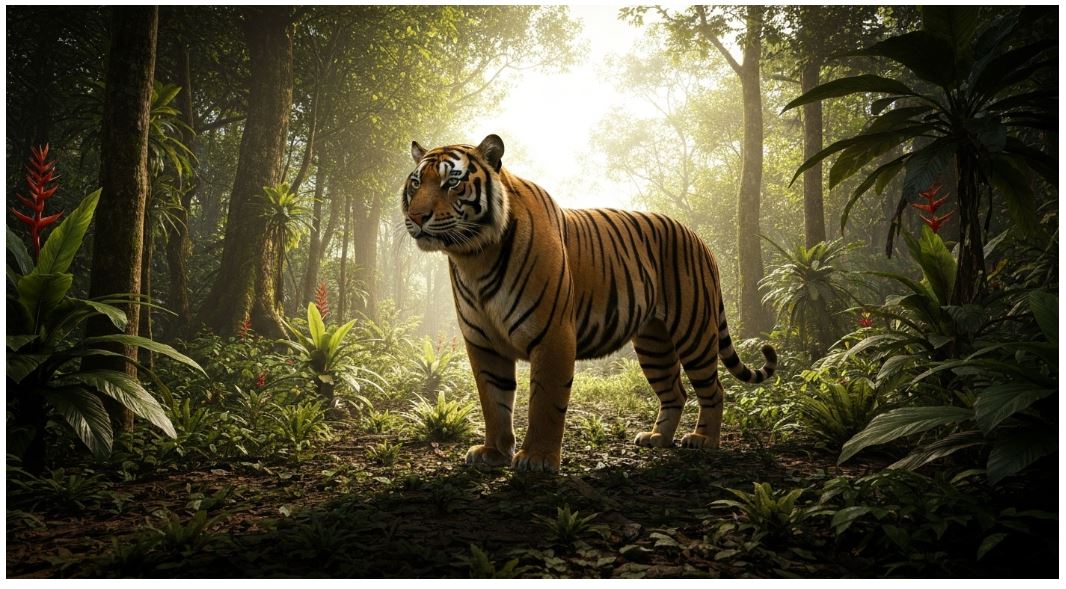
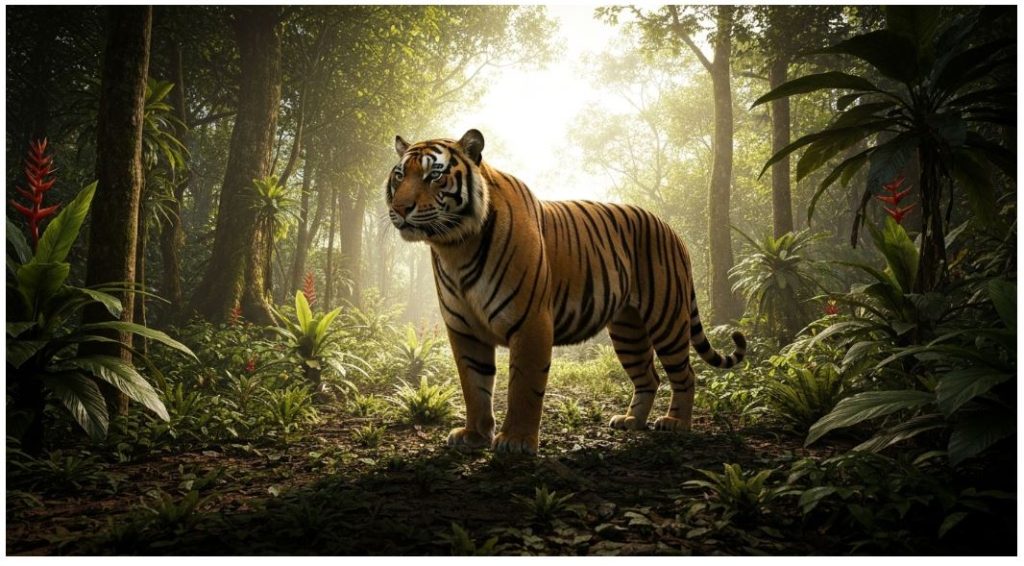
The Sumatran tiger is known for being smaller than other tiger populations. But this is not the only thing that makes it different. The sumatran tiger looks special in other ways, too. It has a coat that is a dark orange. Its black stripes are thinner and closer together than the stripes of different tiger populations. This helps the sumatran tiger blend into the places where it lives.
These changes help it blend in with the thick and shady forests of Sumatra. It hunts animals like wild boar in these areas. The animal is strong in the water, and it often uses bodies of water to get around or cool off. Let’s look at its size compared to other types, and see more of what makes it special.
Size Comparison With Other Tiger Subspecies
When you see the Sumatran tiger next to other tigers, you can spot the size difference right away. The Sumatran tiger is the smallest of all panthera tigris subspecies that live today. A male Bengal tiger can get up to 569 pounds. A male Sumatran tiger will be around 310 pounds at most. You can see that its size came from living on an island.
The Sumatran tiger is a bit smaller than the Javan tiger, which is no longer around. The Bali tiger is even tinier than both. These size changes show how animals end up different when they live in their own areas. This is a good way to see how being alone in a place gives the bali tiger and javan tiger their own way to grow and change over time.
Here is a simple look at how the Sumatran tiger is different from other subspecies:
| Subspecies | Male Weight (kg) | Female Weight (kg) | Male Length (m) |
|---|---|---|---|
| Sumatran Tiger | 100-140 kg | 75-110 kg | Up to 2.55 m |
| Bengal Tiger | 180-258 kg | 100-160 kg | Up to 3.0 m |
| Javan Tiger (Extinct) | 100-141 kg | 75-115 kg | Approx. 2.48 m |
Distinctive Features and Adaptations
Beyond being big, the sumatran tiger has some features that help it live in its natural habitat. It looks different from other tigers. Its coat is darker and has more of a reddish orange color. The black stripes are thin and there are more of them. At the ends, some stripes change into spots. This helps the sumatran tiger hide well in the thick plants of Sumatran forests.
Another thing that makes this tiger subspecies stand out is the thick fur ring around the male’s neck. It sticks out more than it does in other types of tigers. This makes them look more shaggy with a beard feel to it. They are known to be very strong swimmers. The webbing between their toes helps with this, and it is more built up than what you see in other tiger subspecies.
Key features include:
- This animal has a darker fur color, with thick black stripes.
- Males have a big, mane-like ruff that stands out.
- There are black stripes on the front legs. This is not seen as often in other types.
- The skin between their toes is more connected, so they swim better.
Habitat and Distribution of the Smallest Tiger Subspecies
The Sumatran tiger lives only on the island of Sumatra in Indonesia. This makes it one of the only true island tigers. The animal is part of a group called Sunda tigers, along with the extinct Bali and Javan tigers. Sumatra has a lush and warm climate, but things on the island are changing fast.
Their homes be found in lowland forests, peat swamps, and thick mangrove forests. They also live in mountain areas. But now, these wild places are getting smaller. Tigers are stuck in small, lonely parts of land. This makes it harder to survive.
Let’s look at the wild places where these tigers try to stay alive. We will also talk about where the Bali tiger used to live a long time ago.
Wild Habitats of Sumatran Tigers in Indonesia
The smallest living tigers can be found in the wild forests on the island of Sumatra. The sumatran tiger lives in many places on this island. You will find them in the coastal lowlands of Bukit Barisan Selatan National Park. They also live in the mountain forests of Gunung Leuser National Park. These tigers feel safe in thick woods that have lots of bushes and trees. A dense forest gives them a good hiding spot to hunt and stay out of danger.
Today, there are only about 400 to 500 of these tigers left. They mostly live in protected places like national parks. Kerinci Seblat National Park is one of the main homes for this kind of tiger. The tigers are very good at living in their space. They pick areas that have steep slopes. They stay away from places where people live.
But their home is always at risk. The constant growth of palm oil plantations and some other farming activities is taking over these safe places. This is pushing tigers into much smaller and more cut-off areas. It makes the tigers more open to danger.
Historic Range of the Bali Tiger
The Bali tiger used to live only on the Indonesian island of Bali. It was not found in any other place in the world. The area where it lived was very small. This made it hard for the Bali tiger to survive, and led to its extinction. Most of the time, the Bali tiger stayed in the western part of Bali. It walked through the thick forests there, from the hills to the mangrove forests near the coast.
The bali tiger lived in a small area. The people on the island began to grow in number. This led to clearing of forests so that there could be farms and places for homes. The bali tiger lost more and more of its home as this went on. There were also Dutch hunters who came and hunted the tigers. This made the number of bali tigers fall even faster.
By the late 1930s, the Bali tiger be gone for good. Every part of its land was not able to keep the tiger safe from people and what they did. This also shows us something important. A species that live only on an island has nowhere else to go. If their wild home goes away, they can be at risk to disappear too.
Threats Facing the Smallest Tiger Subspecies
The smallest tiger subspecies may look tough, but these tigers face big problems. The tiger populations that are still living are not safe. People are the reason why there are so few tigers left.
Their number is going down fast, mostly because of habitat loss. Poaching is there, too, making things worse for these tigers. The smallest tiger subspecies is close to being gone Forever.
As forests get smaller, tigers have less space to live. This pushes them closer to people, so they meet humans more often. Also, the illegal trade in tiger parts keeps growing. This causes more poaching, and tigers feel unsafe almost everywhere they go. Let’s take a closer look at these big dangers.
Habitat Loss and Fragmentation
Habitat loss is the biggest danger to the Sumatran tiger. People are taking down forests very fast, mostly to make space for farming. These forests break up into small patches instead of staying as big areas. Now, tiger populations get stuck in these small places. There is less chance for the tigers’ gene pool to stay strong. This is bad for all of them.
This big loss of forest keeps tigers apart. It be hard for them to look for mates and to hunt for food. This also forces them to go near where people live. That often leads to trouble between tigers and people. When their home goes away, the chance for tigers to live also gets smaller.
Key drivers of this habitat loss include:
- Indonesia is the biggest producer of palm oil in the world. There are more palm oil plantations growing each year.
- People are planting more acacia trees. These trees are used for making paper.
- Some people cut down trees without permission. Farming has spread into areas where it is not allowed, including protected national parks.
Poaching and Human Impact
Even in the forests and national parks, Sumatran tigers still face danger. There be a constant threat from poaching. People hunt these tigers because there is strong demand for their parts in the illegal trade. Poachers put wire traps in the area to catch tigers. They want their skin, bones, and canine teeth. These get sold in the black market.
This problem goes further than just hunting. Tigers can get stuck in traps that people put out for other animals, like deer or wild boar. When the places where tigers live get smaller, they run into people more often. From 1987 to 1997, tigers were said to have killed 146 people in Sumatra. This made people fight back and hunt or catch the tigers.
The demand for tiger products stays high in Indonesia, even with tough laws in place. This has led to a well-run criminal group working in the illegal trade. These groups use “poach-to-order” systems, so they catch tigers when someone asks for it. The way they work makes it very hard for the people trying to stop the illegal trade and protect the tigers.
Conservation Efforts for Smallest Tiger Subspecies
In the face of these big threats, there are now strong conservation efforts happening to help the Sumatran tiger. This animal is listed as Critically Endangered on the IUCN Red List. Because of this, there is urgent action by the government, NGOs, and local people to protect the last tiger populations. These groups work to take care of the place where these tigers live. They also fight against poachers and try to lower problems between people and tigers. All this helps the sumatran tiger and its future.
Much of the effort is happening in national parks. These places act as the last safe spots for big cats. Anti-poaching patrols work to keep these animals safe. Habitat restoration is being done to give tigers better homes. Scientists also check on tiger populations often. All these steps come together to help protect tigers. The aim is not just to stop them from fading away. People want tiger populations to grow and do well again. Next, let’s look at some plans that are helping these big cats in real ways.
Global and Indian Conservation Initiatives
There are the different conservation efforts working to help the sumatran tiger and to support other tiger populations. In Sumatra, organizations use patrols that focus on catching those who are hunting tigers. These patrols have led to the arrest of people who do illegal hunting and trading. All of these on-the-ground actions are needed to stop the criminal groups behind the illegal trade.
Community involvement plays a big role in this. The programs work with the local people to stop problems between humans and sunda tigers before things get worse. They help farmers keep their animals safe and give other ways to earn money. This helps lessen the need to use the forest for everything. Indonesia’s government is working to cut down on the loss of trees. This is important because it helps save the home for all sunda tigers.
Key conservation initiatives include:
- Set up and pay for Tiger Protection & Conservation Units that walk around the forest.
- Run local programs that help sort out problems and write down what the tigers do.
- Work with groups outside the country, for example zoos, to back conservation and help tigers get better.
Conclusion
In the end, it is important to know about the smallest tiger subspecies. The Sumatran tiger stands out for how special it is. These tigers are different because of their looks and how they live. They be an important part of nature. They help keep the balance in their home.
But these tigers are in danger. Habitat loss and people hunting them are big problems. So, conservation efforts matter more now than ever. When we know about what they go through, we can help keep these tigers around. This way, people in the future will see these beautiful animals.
If you want to help, you can support local conservation efforts. You can also tell others about why the Sumatran tiger and other smallest tiger subspecies need help. Let’s do our part to save them.
Frequently Asked Questions
Why is the Sumatran tiger considered the smallest subspecies?
The Sumatran tiger, known as Panthera tigris sumatrae, is the smallest tiger subspecies. It lives on the island of Sumatra. Over many years, the tiger changed as it lived alone on the island with smaller prey and thick forests. Because of this, the Sumatran tiger became smaller and quicker than other types of tigers. This makes it different from its bigger relatives found off the island.
How does the appearance of the Sumatran tiger differ from other tigers?
The Sumatran tiger stands out because it has a darker coat and it looks more red compared to other tiger populations. You will see its black stripes are thin and sit close together. Males of the Panthera tigris sumatrae group have more fur around their neck. This makes them look shaggy. The thick fur helps these Sumatran tigers hide in the forest.
Are Sumatran tigers endangered?
Yes, the Sumatran tiger is on the highest danger list, called Critically Endangered, on the IUCN Red List. There are fewer than 400 grown sumatran tigers left in the wild. Panthera tigris sumatrae is at great risk because of habitat loss and poaching. The number of tiger populations keeps going down. Conservation efforts need to happen right away to help save these tigers.




